Month: April 2019

Flat Rate Tariffs
Flat Rate Tariffs
04/15/19
“How does a flat rate work for electricity usage?”
Utilities produce revenue through electricity tariffs. Although not the simplest, another simple type of tariff is the Flat Rate Tariff. Despite the name, these tariffs still charge in proportion to electricity usage. Rather, they are called flat rate since they do not discriminate based on time of use. What differentiates flat rate tariffs from simple tariffs is that they can distinguish between different types of consumers, such as residential or commercial. The advantages of flat rate tariffs is their simple implementation, while their primary drawback is their inability to incentive different times of use, a necessity to mitigate the duck curve.
Simple Electricity Tariffs
Simple Electricity Tariffs
04/14/19
“What is the simplest type of energy tariff?”
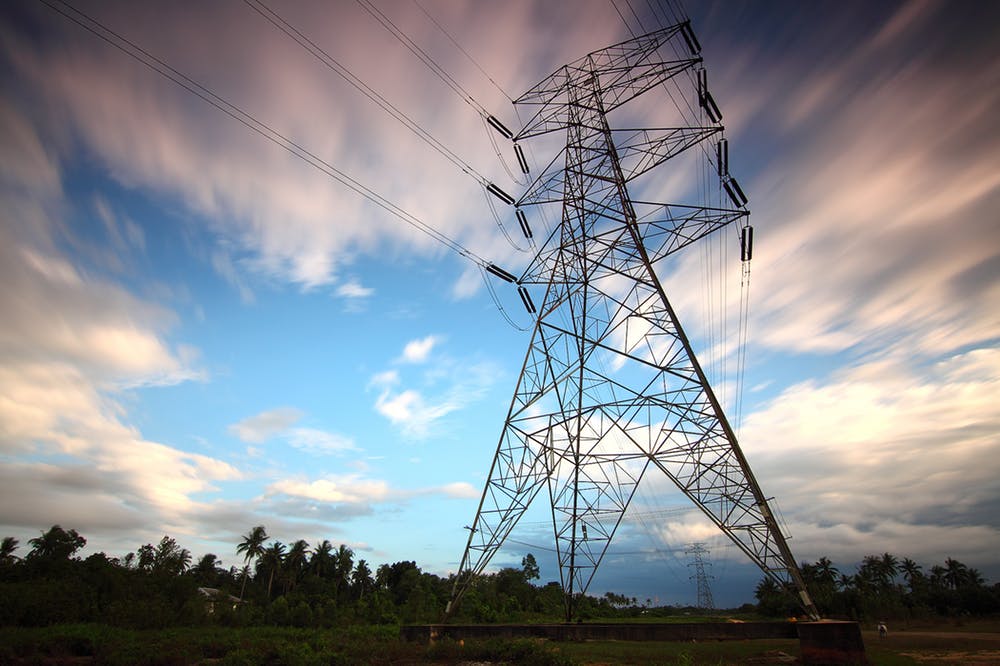
In order for energy companies to survive, they need to find a way to charge money for the energy they produced. This is usually done through an Electricity Tariff. The most simple type of electricity tariffs is known as Simple Electricity Tariffs. These tariffs simple charge money in direct proportion to energy consumed. The advantages of this is that it simple, easy to understand and implement, and directly responds to how much electricity is used per-capita. However, the drawbacks is that these tariffs cannot be tailored to specific group’s needs, which can lead to higher cost, provides no incentive to consume more electricity, and if no electricity is purchased during the month then the utility can die.
How Rooftop Solar Can Be Used as a Grid Resource
How Rooftop Solar Can Be Used as a Grid Resource
04/13/19
“How can rooftop solar be utilized for the grid’s needs?”
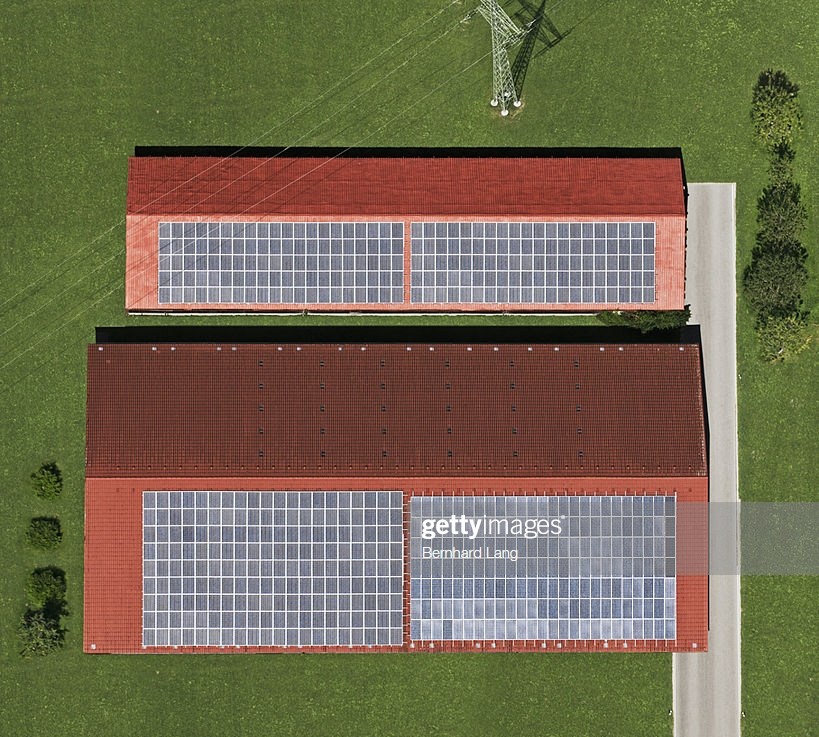
Rooftop solar is one of the fastest growing types of distributed energy resources. However, right now they are only used to provide power to the buildings of the owner. But what if we could use that extra energy to provide power for the grid? This would increase grid flexibility and allow for further decarbonization. This is How Rooftop Solar Can Be Used a Grid Resource.

Why Undergrounding Power Lines Makes Them More Vulnerable to Flood Damage
Why Undergrounding Power Lines Makes Them More Vulnerable to Flood Damage
04/12/19
“Why is undergrounding power lines not recommended for flood-prone areas?”
Undergrounding power lines is a recommended course of action to build resilience against forest fires, storms, and heavy winds. However, this also makes them more prone to flood damage, as they will become submerged in water in the event of one. This is Why Undergrounding Transmission Lines Makes Them More Vulnerable to Flood Damage.

Urban Planning
Urban Planning
04/11/19
“How do we design cities and municipalities?”
Today, around 55 percent of the world lives in urban areas and that number is rapidly growing. That means as cities expand and new towns are built, there must be significant planning done to ensure livability and proper operation of all infrastructure, whether it be in transportation, utilities, or amenities. This can be accomplished through the use of Urban Planning, or the study of how to design urban conglomerates.
Cascading Power Failures
Cascading Power Failures
04/10/19
“How can a large-scale power outage occur from just a single component failure?”
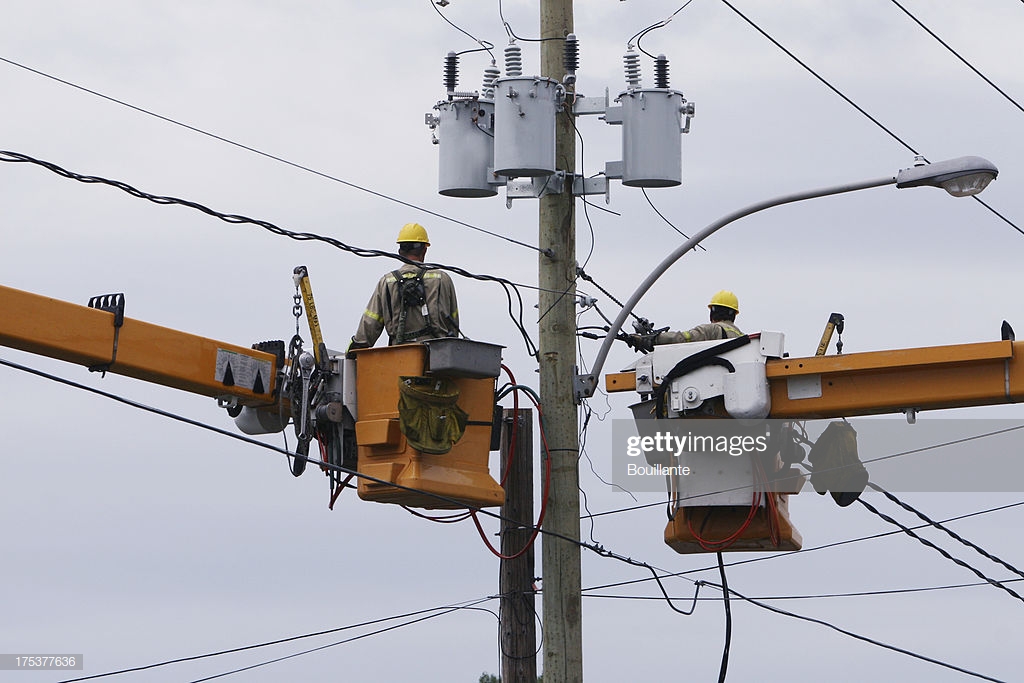
The modern power grid is a feat of human ingenuity. One of the most interconnected systems in existence, it allows for terawatts of power generated to reach millions of consumers. However, this great interconnection comes with one drawback. If even one component fails, then the additional stress on other parts can cause more failures which can cascade until a completed blackout occurs. These Cascading Power Failures are a utility’s bane and resilience strategies must be developed to counter the probability of these events.

Climate Change Attribution
Climate Change Attribution
04/09/19
“How can we attribute what is responsible for climate change?”
One of the biggest debates going on about climate change is what is causing it. Many political pundits will claim that everything can be explained entirely through natural factors such as the Earth’s tilt or volcanoes. However, to prove causation, mathematical analysis will need to be done to isolate each component and observe its effects. Using this Climate Change Attribution, we can see that these effects do not contribute greatly to global warming and that carbon emissions is the primary driver behind climate change.
 Isaac's Science Blog