“How can we hook up a series of pipes to a pump to drain groundwater?”
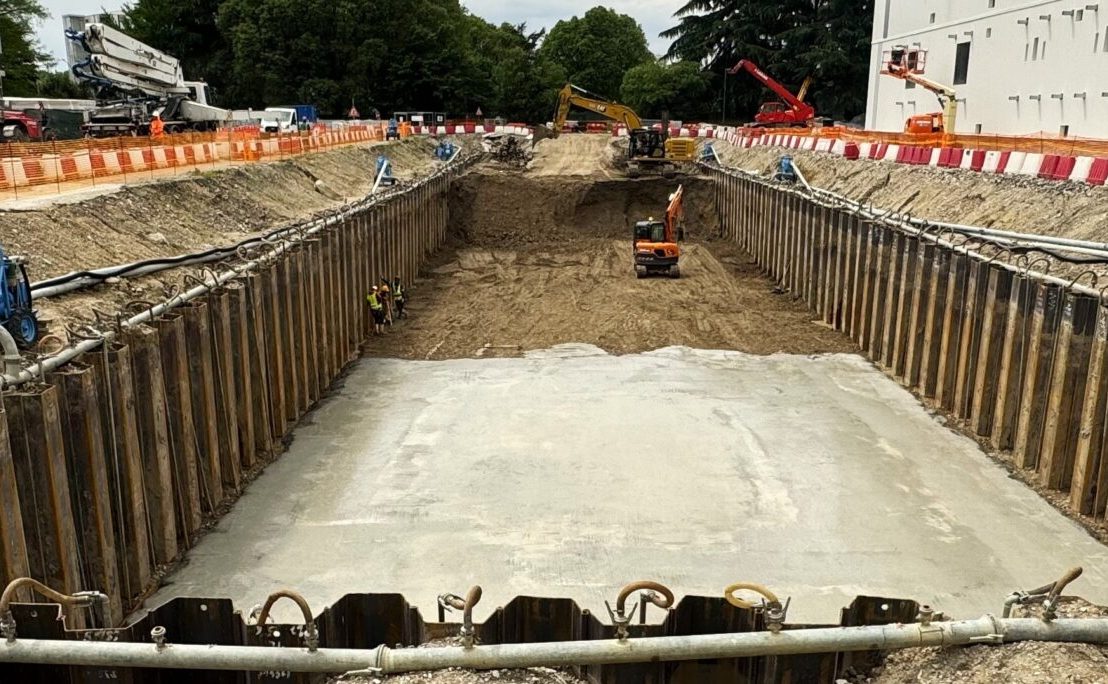
Groundwater dewatering is a major problem at construction sites. So how can we use our engineering mindsets to solve this? Well, what if we were to take a series of pipes with holes so small it can let water in without destabilizing an aquifer, place them in the groundwater, and connect them all to a common pipe that’s hooked up to a pump that drains the water? This is the idea behind Wellpoints, a brilliant way to dewater a construction site.
“How do we classify plants that can move water and minerals through their bodies using specialized tissues?”
Plants work in all sorts of ways. Some plants have tissues dedicated to moving water and minerals through their bodies. These Vascular Plants can grow to sizes much larger than non-vascular plants because of their quicker intra-body resource transport. Examples of vascular plants include conifer trees and flower-bearing plants.
“How does Las Vegas use a 12-mile swampy stream to recycle its wastewater?”
Las Vegas sits in a difficult place for water. The metropolis sits in one of the driest and hottest parts of the U.S., and climate change is expected to bring even less rainfall. But it turns out Vegas has a secret card up its sleeve. The Las Vegas Valley channels its wastewater into a 12-mile swampy stream called The Las Vegas Wash for purification. The plants in the Las Vegas Wash remove contaminants from the (post-treatment plant) wastewater, and the end of the stream ends at Lake Mead to connect back into the water supply system. This advanced water-recycling technique will only become more important as the climate-change-driven drought intensifies.
“What is loose sediment deposited by flowing water?”
Flowing water erodes sediment and turns it loose. The water will then deposit the sediment as Alluvium. Alluvium soil is typically mixed from a wide range of different grain sizes.
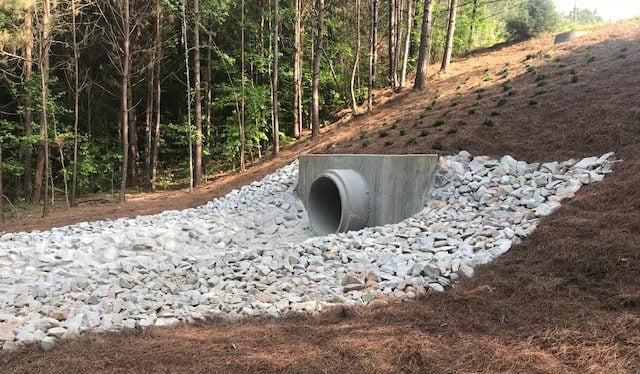
“How can we prevent water from culverts from eroding nearby earth using rocks?”
Water streams through culverts are channelized and pick up speed. This extra speed can erode nearby earth soils. People can prevent this by installing collections of rocks outside of the culvert exit to dampen the flow. This Rock Outlet Protection is a simple but effective way to implement erosion and sediment control for culverts.
“What makes trees that hold their seeds in cones so special?”
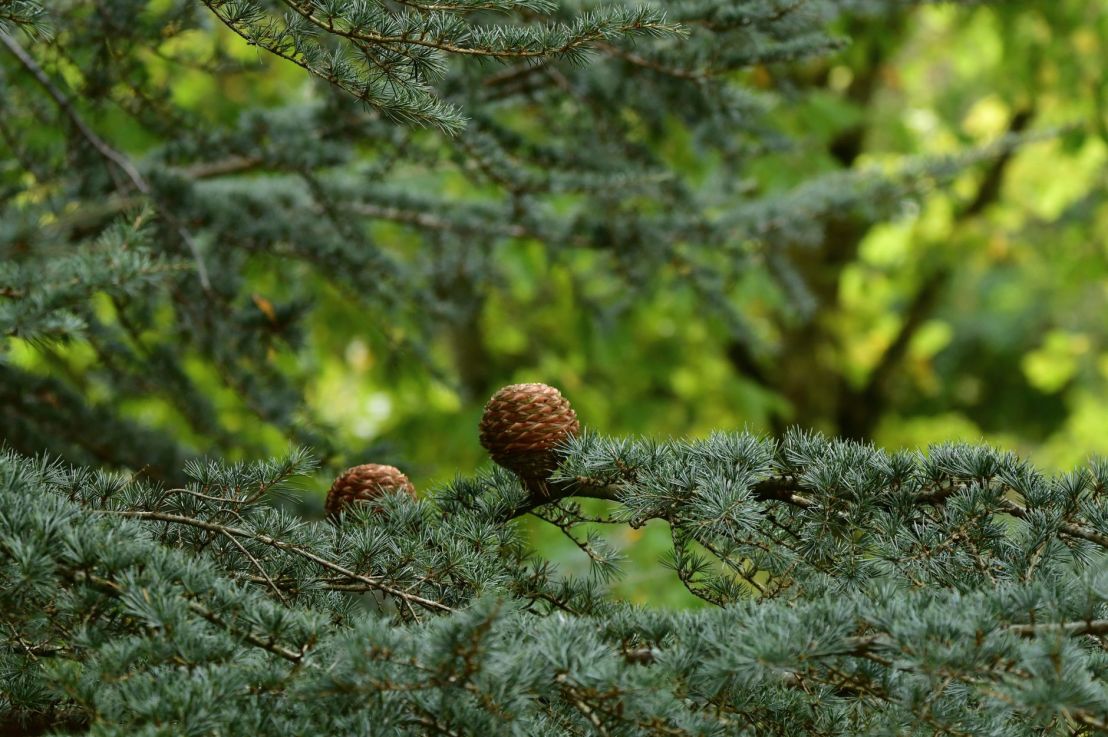
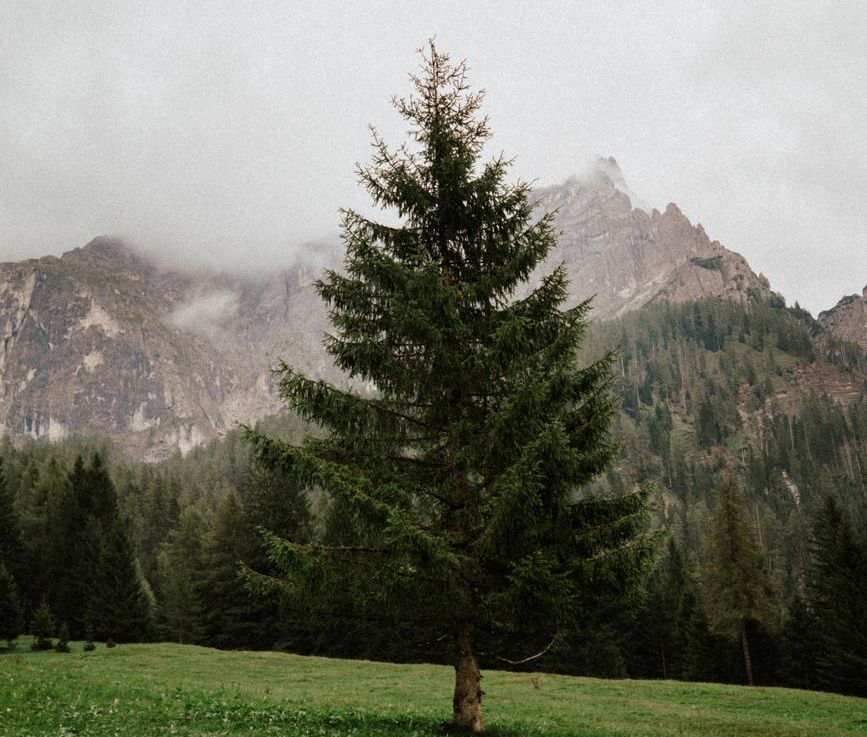
Trees are commonly thought to hold their seeds in fruits and flowers. However, some trees hold them in cones. These Conifer Trees are typically (but not always) evergreen and tend to dominate colder-temperature climates. Conifer trees are also a vital food source for many species. Christmas trees and California Redwoods are conifer trees.
“How can we make artificial reefs to provide homes for sea life?”
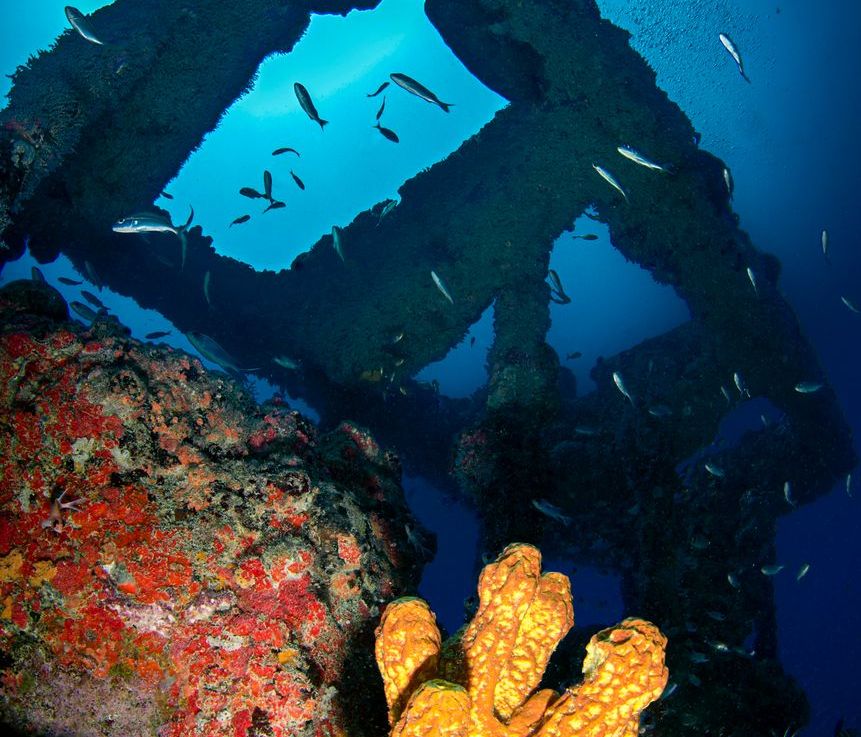
Reefs provide habitats for all kinds of sea life. But they don’t have to be natural. Artificial Reefs are human-made reefs designed to provide homes for ocean creatures. Common materials for artificial reefs include concrete, sunken ships, and even old subway cars! Artificial reefs also dissipate coastal wave energy, protecting coasts from storm surge and soil erosion.
“Why are ridges of material beneath the ocean surface so important for marine biodiversity?”
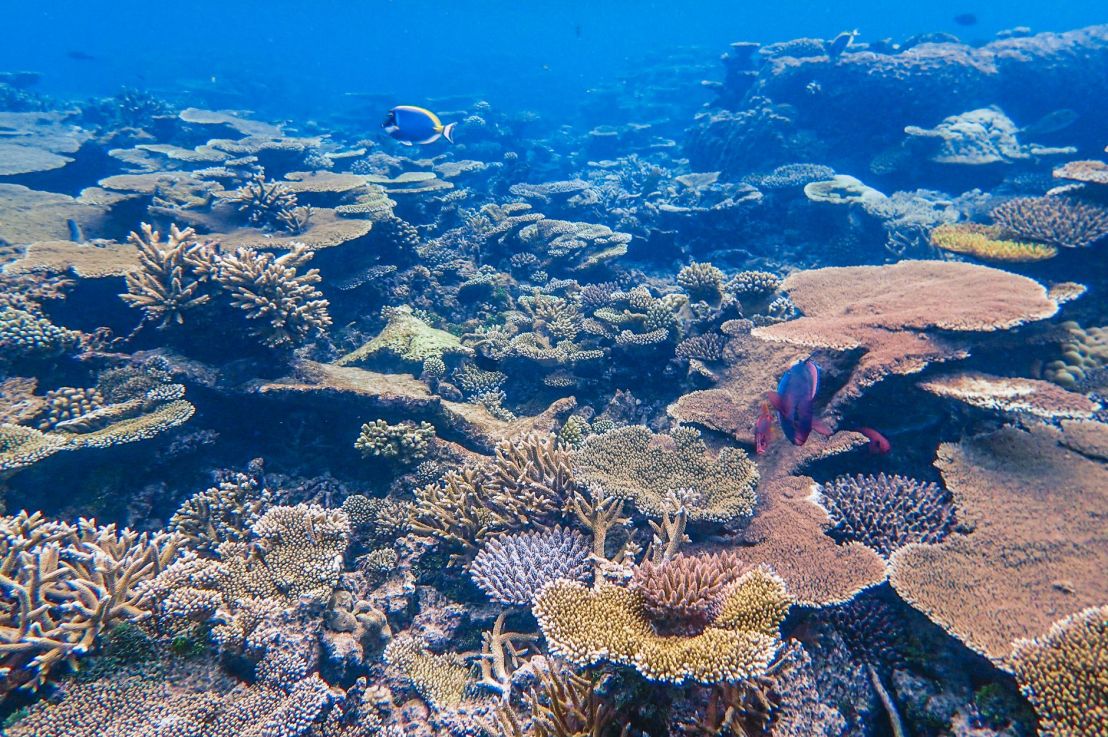
Countless species live in the Earth’s oceans. Building multidimensional ecosystems can sometimes be tricky on the endless sands of the ocean floor. However, ridges of material called Reefs provide complex habitat for multiple communities of sea life, allowing for large-scale biodiversity to grow. Reefs are pivotal for ocean health and coastal storm surge protection.
“Why do some trees never lose all of their leaves?”
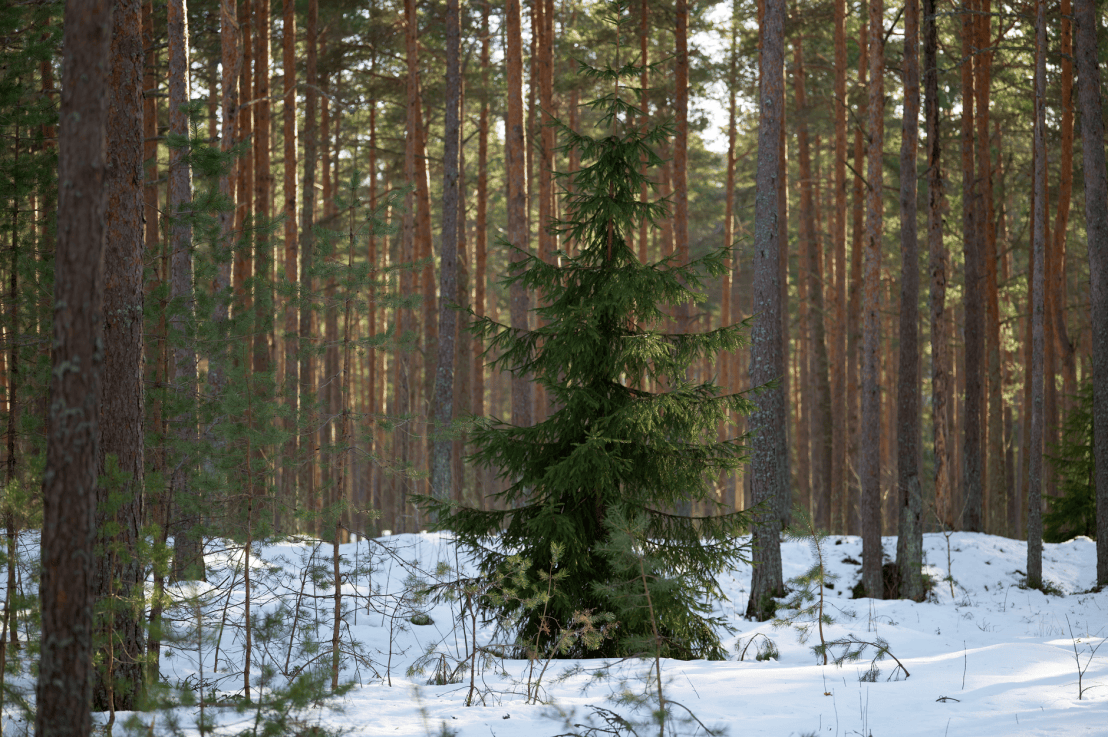
One of plants’ most distinct characteristics is their green color. However, many trees seasonally lose this marking. But some trees never do. Evergreen Trees are trees that never lose their green color or all of their leaves. This could stem from a multitude of reasons, from tropical trees never having to worry about cold weather or low moisture to pine trees that evolved thinner, oilier foliage to prevent moisture loss. Evergreen trees are popular as windbreakers since they keep a thick foliage profile in the breezy winter months. Christmas trees are an example of evergreen trees.


 Isaac's Science Blog