Tag: Mechatronic Engineering

Battery electric vehicles

Battery electric vehicles

Battery electric vehicles

01/07/16

“How can we minimize the impact that cars have on the environment?”


As of the time of writing, most cars use internal combustion engines (also knowns as ICEs) to power movement. This technology is highly pollutive and needs to be quelled soon to ensure the survival of humanity. But since cars and road infrastructure have become so intrinsic to the fabric of developed countries, it would consume too much energy to try to replace them all together. So how could we develop cars that are much less damaging to the environment? Well, let’s look at it like engineers would. Most cars use internal combustion engines to induce rotative movement to be transferred to the wheels via a drivetrain. However, this setup can be easily replaced with an electric motor powered by a rechargeable battery. When the car wants to move, the battery simply sends current to the motor to move the drivetrain to move the wheels. These Battery electric vehicles are becoming cheaper by the year, and may one day replace traditional vehicles all together!

Electric vehicle drivetrains

Electric vehicle drivetrains

Electric vehicle drivetrains

01/06/17

“What causes electric vehicles to move?”


Drivetrains are responsible for transferring the power from internal combustion engines to the wheels of a car. However, Electric vehicles often lack internal combustion engine technology in place of a motor powered by a battery. So how does the drivetrain for such automobiles differ? Well, let’s use our engineering mindset to solve this problem. We know that motors can be thought of as electrically charged wheels and that wheels connected with a shaft will move together. So how about we implement this type of system into an electric vehicle? If this sounds quite similar to a traditional powertrain, it’s because it actually is! However, electric vehicle powertrains do have a few differences, namely being much less energy intensive (consuming nearly 0% of available energy when compared to the 5-6% of ICE units) and having a more minuscule part count.

Spherical Sun Power Generators

Spherical Sun Power Generators

Spherical Sun Power Generators

“Is the only thing we need for the next solar power revolution  just a simple change of geometry?”
The current design of solar panels have a distinct bottleneck; their rectangular geometry leaves them inefficient for obtaining solar power from the sun since the sun’s rays will be in a sub-optimal direction for most of the time. Solar trackers can also be inefficient and are prone to damage in the rain, so how can we completely transform the way we collect solar power? Well, let’s use our engineering mindset to figure this out. Our goal is to make the design of our solar producing unit so that the sun can be in an optimal angle at all times. If we think back to our geometry class, then we will remember that a sphere is symmetric from all directions. With this knowledge, the German architect Andre Broessel created a Spherical Sun Power Generator. The setup works as follows: A supporting structure will house a spherical lens. This spherical lens will have a dual tracking system structure at the back of it. In this tracking system will be solar cells, which will receive ample sunlight as a result of the focusing effect from the spherical lens. These spherical sun power generators allow for twice the conventional yield in a much smaller surface area, allowing it to even absorb the reflected sun light from the moon!

Grid-tied inverters

Grid-tied inverters

Grid-tied inverters

01/03/17

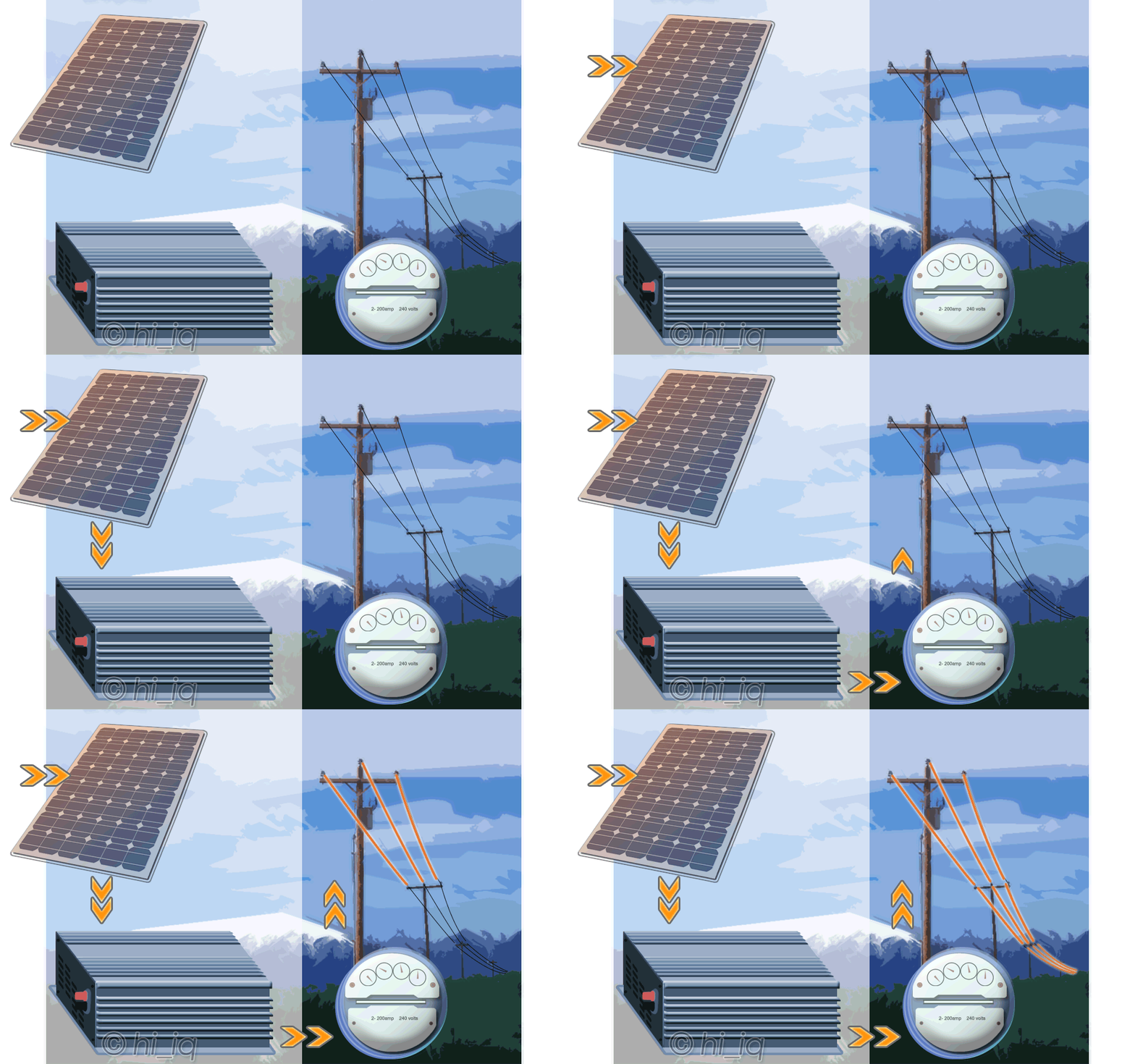
“How do solar panels connect to the main electrical grid?”


Residential solar panels are one of the hottest technologies on the market right now, with a 119% growth rate in the United States alone! However, this most innovative work of machinery comes with one contention. Solar cells will produce DC electricity, while the national grid is structured by AC electricity. Not only that, but solar panels may not be able to power the entirety of your residential unit, especially during power fluctuations. So how can we integrate this technology to achieve technological feasibility? Well, instead of just giving up, let’s be proactive and use our engineering mindsets to solve this problem. Fundamentally, we need some sort of component that can take in DC electricity and convert it into AC electricity. Well, thanks to the hard work of many researchers, a device known as a grid-tied inverter has been produced for this need. Grid-tied inverters will take the direct current electricity generated and convert it into alternating current electricity in sync with the surrounding grid. This technology is not only environmentally but economically green since any excess electricity generated will be sent over the grid, in which the local electric company will be obligated to remunerate you for the electricity being generated. Furthermore, if your housing unit is in need of electricity, then it will be able to siphon energy from the larger grid to complete your needs. There is one drawback to grid-tied inverters however. Due to the connected nature of the technology, when there is a grid blackout, and no micro-grid is present, your solar cells will be shut down as well, impeding a true self-sustaining system.

Orbiting solar panels

Orbiting solar panels

Orbiting solar panels

12/31/16

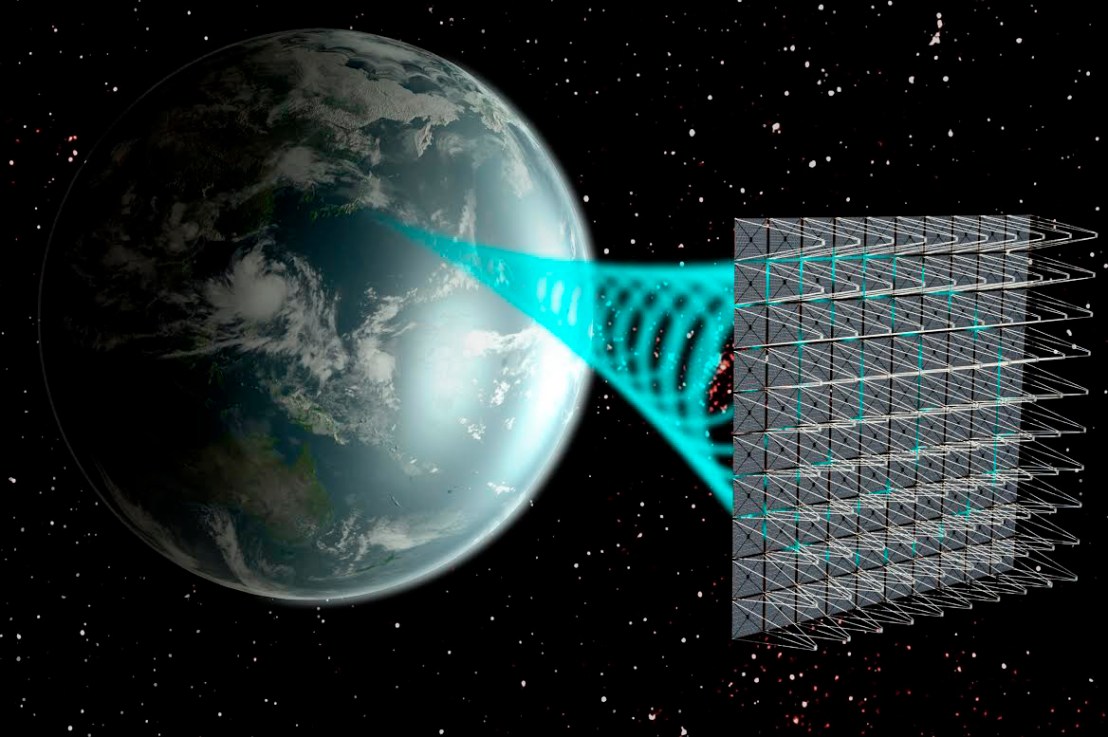
“Could we increase the efficiency of solar panels by placing them in Earth’s orbit?”
Our sun is an undoubtedly powerful object, on any given day, the Earth will receive 1.74*10^17 watts every second from it! However, much of this energy will be dispersed through the atmosphere of the Earth, limiting the potential of solar panels. So how could we work around this impinging phenomena? Well, let’s use our engineering mindsets to think outside of the box. Since the power of the sun is only mitigated after it enters the Earth’s atmosphere, wouldn’t it be logical if we were to place solar panels outside of the Earth? This most creative idea is being pursued by the Japanese Space Agency JAXA, where they plan to be able to create wireless power transmission units for orbiting solar panels by the year 2030.

Energy density and it’s importance

Energy density and it’s importance

Energy density and it’s importance

12/02/16

“How do scientists and engineers measure the density of energy within a system and why is it important?”

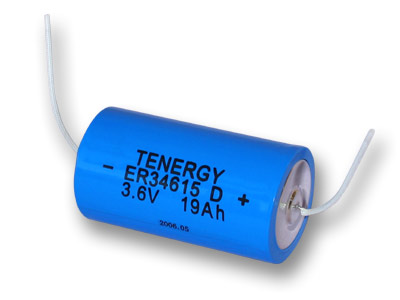
Energy is a quantity that is used omnipresently for calculations in all branches of science and engineering. However, energy is more than a theoretical abstraction, and since it is tied to the material universe, it must be stored somewhere in reality, such as in objects. And since objects of the same size can have different abilities to hold energy , we will need some conceptual way to understand this. As a result, scientists and engineers have developed the concept of energy density to represent the amount of energy stored within in object. Energy density is an important concept because when analyzing energy storage mechanisms such as batteries and capacitors, once must take in to consideration the volume vs power limitations that a project might have. To illustrate, let’s say that you want to build an autonomous boat. Since this boat will have no people on board, it will need a mechanism to power it’s systems. However, the boat can not uphold too much weight, or else it will sync. Therefore, when designing such a contraption, engineers will have to choose an energy storage technology with a high energy density.

Press brake

Press brake

Press brake

10/07/16

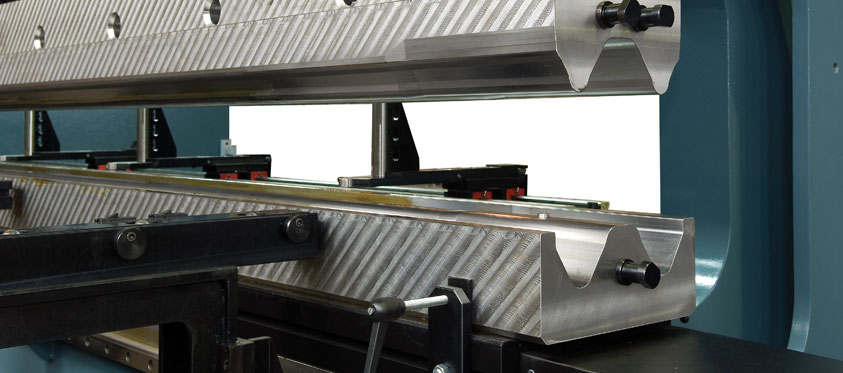
“How can we using machines to bend metal to a specified shape?”


Metal is one of the most omnipresent materials used by humanity. However, before it can be used, it must be bent. And not only that, but to suit the quantity of our civilization’s needs, we must do it on an industrial scale. So, how can we accomplish this? Well, what if we were to use a machine dedicated to bending metal? This is the operating principle behind a Press brake. Press brakes work as follows. The machine will have two main components,  a platform for the sheet of metal to rest upon, and a brake that is used to bend the metal. The brake is powered by a servomotor. When activated, the brake will be lowered and apply a pressure to bend the sheet of metal into the user’s specifications. The platform will then move the sheet of metal along, to repeat the process to create a piece of metal designed to the user’s specifications. Press brakes can make all sorts of metals such as cold-formed steel.

Motor armatures

Motor armatures

Motor armatures

08/21/16

“What component causes an electric motor to spin?”


We know that Electric motors have two main mechanical parts, a stationary stator that encapsulates a rotating rotor. Now, how is this rotation induced? Well, in addition to having the aforementioned two mechanical components, electric motors has two electrical components. The first electrical component is called the field, which is simply the magnetic field component inside the airgap. This field will turn the armature, which is the primary power producing component in the motor. The armature carries current that is oriented perpendicular to the magnetic field, which in turn will induce a force which will cause a torque to take place. The armature usually consist of several conductive windings for this effect to happen. The field and the armature can be on either on the rotor or the stator but one must only occupy one other.