Tag: Transportation

Traffic Simulations

Traffic Simulations

Traffic Simulations

03/02/18

“Is it possible to simulate traffic to improve it?”


If you have ever ridden a car in a crowded area, then you probably have experienced traffic. It’s slow, annoying, and worst of all unsustainable. Because of this traffic engineers are trying to design better and better ways to assist people with their daily commutes. One of the tools that they use at their disposal is known as a traffic simulation. Traffic simulations use mathematical frameworks to model how travel moves and what can be done about it. With the data generated by these systems, urban planners can optimize future city designs, making our living space safer, quieter, and ultimately less congested!
Fuel Economy

Fuel Economy

Fuel Economy

01/22/17

“How can we measure a car’s fuel efficiency?”


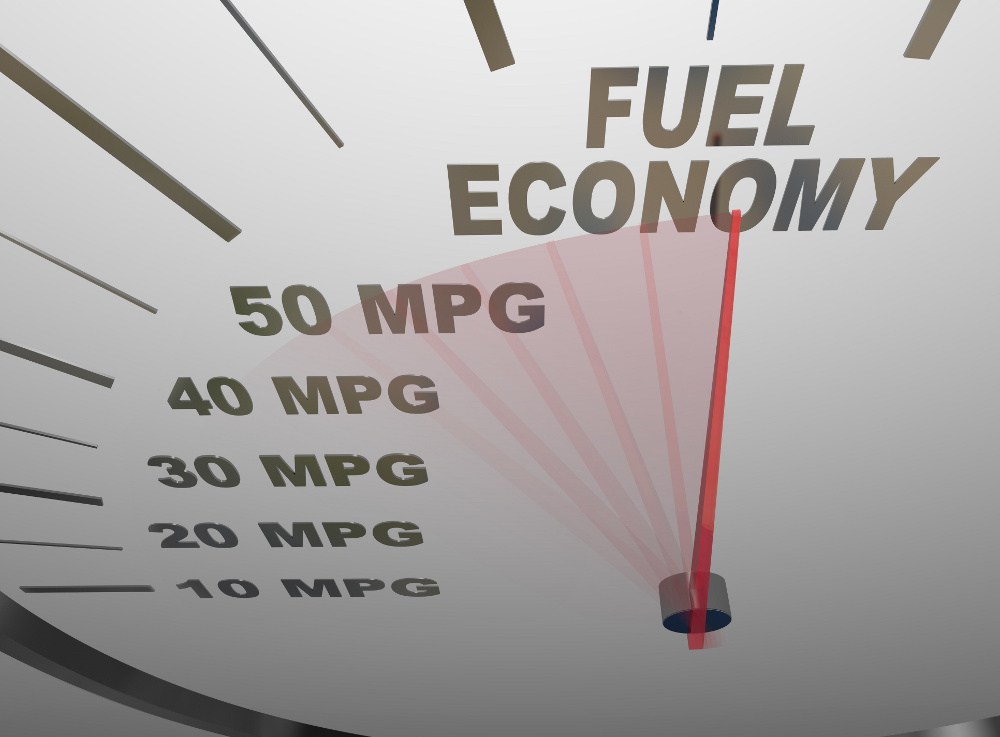
Cars are some of the most ubiquitous machines in the world. However, most of them are also powered by liquid petroleum, and since there is a myriad of different models they all consume this material at a different rate. So how can we create a measure of this efficiency? Well, if we use our engineering mindsets, then we will realize that we can standardize everything by seeing how much fuel is consumed per unit of distance, therefore creating something known as Fuel Economy. Fuel economy is affected by multiple factors, including onboard appliances, environmental conditions, and engine design. The better the fuel economy, the more sustainable the vehicle is.

Electromagnetic propulsion

Electromagnetic propulsion

Electromagnetic propulsion

07/02/17

“How can we make propulsion without fuel?”


As it stands, the vast majority of propulsion machines are based upon fuel combustion technologies. However, this approach is costly, wasteful, and dangerous. So how could we make a new propulsion approach that requires no fuel? Well, let’s use our scientific mindset to find out. We know that when an electric current passed through a conductive material immersed in a magnetic field, it will experience a Lorentz force. So what if we were to use this force to cause objects to move? This is the fundamental idea behind electromagnetic propulsion, and can be used to power machines ranging from linear motors to the astronomical electromagnetic propulsion drives!

A quick note on the sustainability of electric vehicles

A quick note on the sustainability of electric vehicles

A quick note on the sustainability of electric vehicles

Isaac Gendler

06/25/17

“How effective are electric vehicles at promoting sustainability?”


Electric vehicles are often touted as one of the drivers of the frontier of sustainability. However, one should keep in mind that electric vehicles draw their power from the grid, and if the grid is not powered by sustainable sources then electric vehicles will not be sustainable either. So one when we continue the battle against greenhouse gases in transportation, we must keep in mind that we must not limit our efforts to only one field.

Tires

Tires

Tires

05/23/17

“What makes tires so useful?”


        The vast majority motorized vehicles on this planet are able to transport passengers because of one simple invention, tires. However, what specific properties do they have that make them so useful? Well, let’s find out using our engineering mindset.

To begin, let’s analyze what makes a tire a tire. Tires are composed of a combination of synthetic rubber, natural rubber, fabric, and wire, fashioned with a thread and a body. Once manufactured, tires are threaded with grooves to provide traction, filled with air to provide buoyancy, and finally fitted onto vehicles.

        Tires are well regarded around the world for their strength, flexibility, and cost. However, some downsides associated with these tools are their tendency to hydroplane (when a tire runs over a damp surface and become uncontrollable) and their production and decomposition process can be destructive to the environment (particularly if they are burned)

Driving cycle

Driving cycle

Driving cycle

04/26/17

“How do engineers analyze the speed of an automobile?”
The Automobile is one of the most omnipresent devices on the planet. And as such, when being analyzed, all studies must be done with great precision. So how can engineers look at one component, velocity, with extreme detail? Well, thanks to the hard labors of many researchers, a tool known as the drive cycle has been developed. In essence, a drive cycle is a collection of data points representing a vehicle’s velocity in contrast to time. This system is often used by engineers to estimate the amount of fuel that a car has used since a car operating at higher speeds will burn more petroleum.

Traffic barriers

Traffic barriers

Traffic barriers

03/08/17

“How can we control the flow of traffic away from dangerous road elements?”
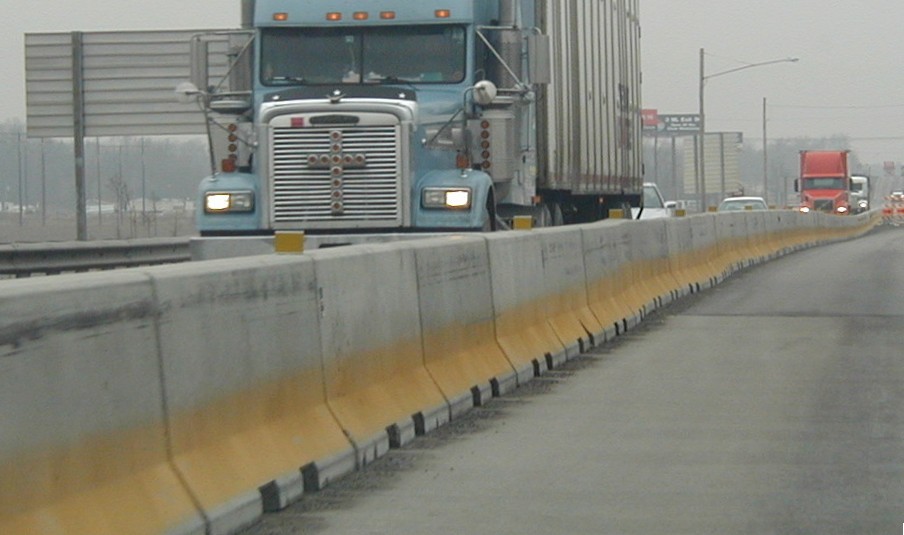
Personal vehicle transportation is one of the most used forms of transportation throughout the world. However, due to the autonomous nature of such machines, drivers can non-intentionally make collisions with errant road elements such as trees, boulders, and walls, or even the air if they run off an elevated freeway! So how could we change roads to make them much safer for general use? Well, let’s use our engineering mindset to figure this problem out. Well, we know that one way to stop an object from moving is to have it collide with a rigid object that will absorb all of its kinetic energy. So what if we were to take this idea and put it into reality? This is the exact type of thinking behind something known as a traffic barrier, which can be seen omnipresently around roads throughout the road. Examples of traffic barriers range from the exotic guard rail to the tiny traffic cone!

Track gauge

Track gauge

Track gauge

03/05/17

“How does the width of railroad tracks affect transportation?”
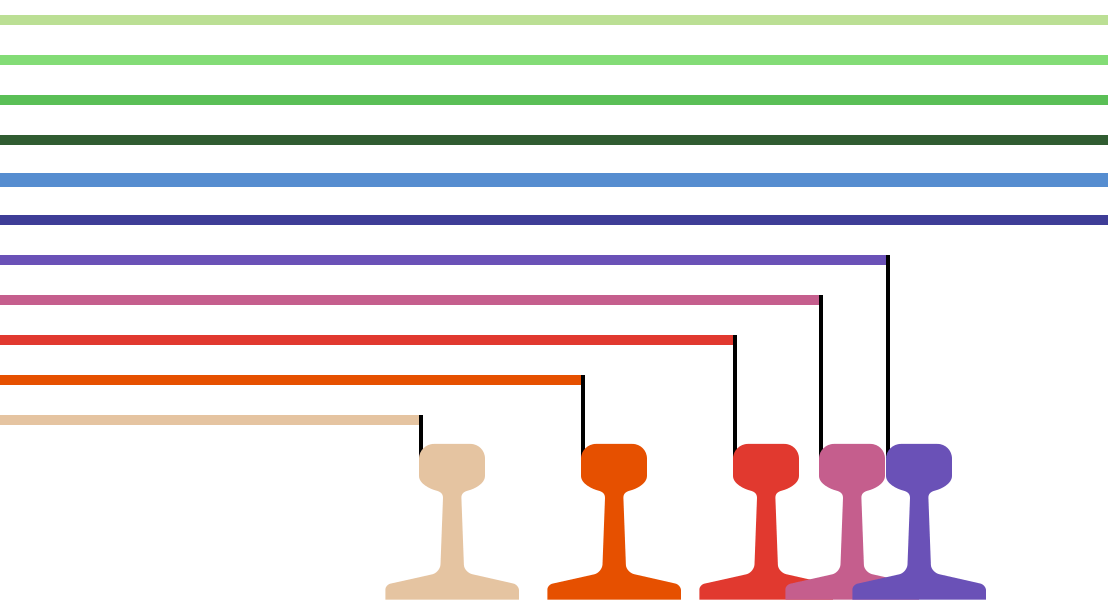
Trains of all shapes and sizes have made affordable and efficient transportation a modern day reality. However, as mechanical devices, these machines are contingent upon multiple components, such as track. So how can we classify the different types of track spacing and their resulting physical effects? Well, let’s use our engineering mindset to figure this out. We know that the geometry of railroad tracks are primarily composed of one flat path and two vertical blocks to encase the wheels. And since the flat paths are variable in nature, the length of them can be different depending on the system being used, therefore a standard measurement system known as a track gauge must be used to distinguish the different types of tracks. The larger the track gauge is, the faster the maximum speed and the easier it is to control at the expense of cost and ease of turn. The standard track gauge is known as standard gauge in the U.S and is measured at 1,435.1 mm (4 feet 8 12 inches)

The Netherlands’ electric is now completely powered by renewable energy

The Netherlands’ electric is now completely powered by renewable energy

The Netherlands’ electric is now completely powered by renewable energy

01/13/17

“How is it that the Netherlands’ electric train system is now completely powered by renewable energy?”


A most riveting milestone in global renewable energy adoption has just been reached. The Dutch national railway company NS has just announced that the entirety of their electric train fleet is running on renewable energy!  This means that transportation systems that carry 600,000 passengers every day have and consumes 1.2 billion Kwh each year has just had their carbon footprint sabotaged! However, work is not done, as the company also plans to decrease energy used per passenger by 35% by 2020