“Can we make a computer from just a single integrated circuit?”
Modern day computers are complex behemoths, employing dozens of integrated circuits to perform computational work. However, is it possible to have much simpler computers that only work with one integrated circuit? Well, it turns out that not only is this possible but that such machines can be seen every day in the form of microcontrollers. Microcontrollers are simple computers that are used for mechatronic control tasks, whether it be in dictating the motion of servo motors for robotic manufacturers or in controlling electric braking systems. Microcontrollers are easily purchasable and have a large number of dedicated hobbyist followers.
“How can engineers control the temperature of machines?”
Machines do a lot of work. Whether it be an assembly robot making a solar panel or a spacecraft launching into space, work is done. However, these machines often need to operate within a certain temperature range. So how can we ensure that our engineering systems can be kept within their safety zone? Well, let’s use our engineering mindset to find out. We know that we can use sensors to monitor the temperature and that we can also use devices to change this temperature. So what if we were to simply implement this? Well, this is known as a thermal control system and can be found in mechatronic systems all over the world.
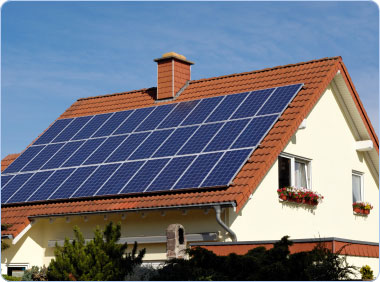
“Can everyday people generate their own energy?” When people talk about generating electricity, they usually mean things like giant power plants or solar panel arrays. However, electricity generation does not need to be that large. In fact, it can be done in your very own home! This activity is called microgeneration, and can be accomplished through a variety of means, whether it be by installing solar PV or through recycling waste heat
Engineering thermodynamics looks at heat, energy, and matter from a macroscopic, or non-atomic perspective. Because of this, objects and materials such as air appear to be uniform in composition. As a result, systems such as these are classified as homogeneous systems. Homogeneous systems stand in direct contract with heterogeneous systems such as a human body (which is composed of many different macroscopic layers). When working out thermodynamics problems, it is extremely important to know if your system is homogeneous or heterogeneous.
“How can we make heaters that do not require a surrounding medium?”
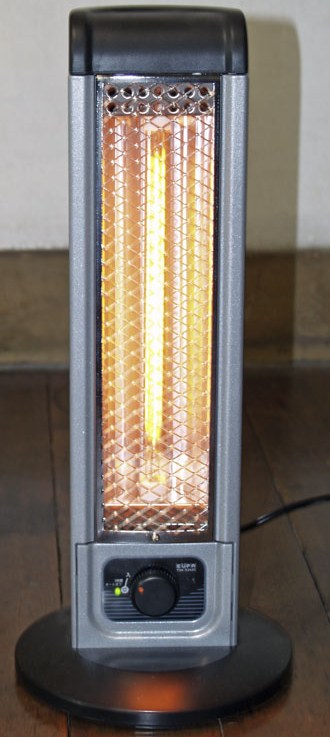
Heating is a common need everywhere. However, sometimes our surrounding medium might not be a good heat conductor or we may not have a medium at all! So how can we make a heater which is not affected by the surrounding environment? Well, let’s think back to basic physics. We know that infrared is a form of light, and light is able to pass through anything. So what if we were to take some metallic wires, wire them around an element, and then apply electricity to heat the element to emit infrared? Well, it turns out that this invention is a little device known as an infrared heater. Infrared heaters are classified by the wavelengths they emit (ranging from 760 nm down to a minuscule 1 nm!) and are used everywhere from cooking kebab to warming outer space missions.
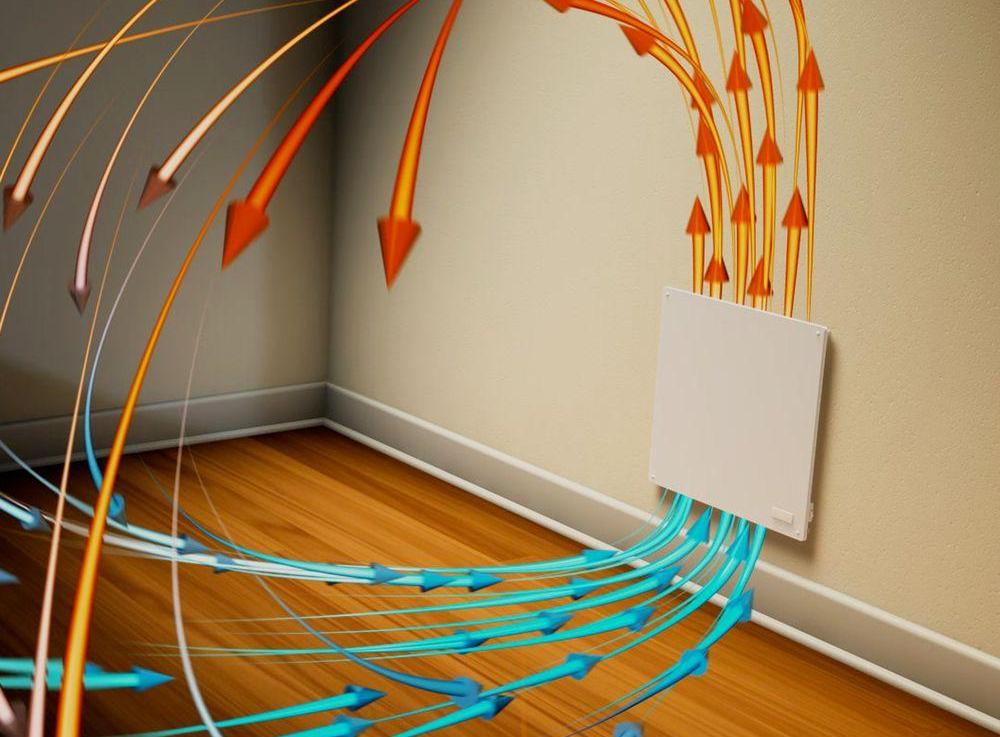
“How can we heat spaces using gas?” With space heating, we can keep our buildings at a warm temperature no matter the weather outside. However, what is one way that we can implement this? Well, let’s use our engineering mindset to find out. We know that processes in nature can raise their temperature using convection. So why don’t we just imitate this and use convection heating? To do this, let’s take some air, and channel it across a heating element to warm it up, and then mix it into a local space. This method is widely used across buildings worldwide.
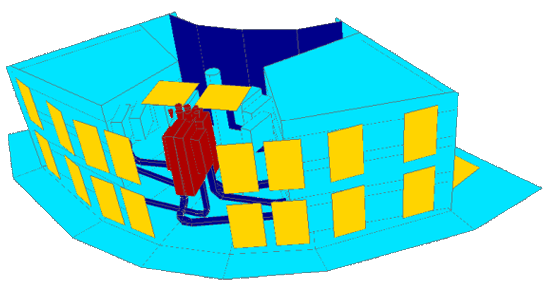
Buildings are the most common form of shelter for humans. They can provide simple comfort, warmth, and protection from the exterior world. However, they are subject to variations which make them less habitable, such as unwanted changes in temperature. So how could we use our engineering mindset to solve this problem? Well, we know that most of the heat in buildings is caused by the gaseous atmosphere inside it. So what if we were to pump a gas with a higher temperature into the living space? Well, this is the fundamental idea behind space he ing, and is used everyday by people all over the world
In the modern world of engineering, devices and processes are no longer operated in a purely mechanical format. Instead, they now have a network of sensors and actuators that allow for programmable movement and operation. However, what exactly causes these systems to move? Well, after many years of incremental development, engineers have designed something known as control systems to manage all operations. Control systems are the programmable logic that allows engineering systems to operate. Engineers that work with control systems are known as control systems engineers.
As it stands, the vast majority of propulsion machines are based upon fuel combustion technologies. However, this approach is costly, wasteful, and dangerous. So how could we make a new propulsion approach that requires no fuel? Well, let’s use our scientific mindset to find out. We know that when an electric current passed through a conductive material immersed in a magnetic field, it will experience a Lorentz force. So what if we were to use this force to cause objects to move? This is the fundamental idea behind electromagnetic propulsion, and can be used to power machines ranging from linear motors to the astronomical electromagnetic propulsion drives!



 Isaac's Science Blog