Tag: Energy

Industrial ecology

Industrial ecology

Industrial ecology

08/01/17

“What is Industrial Ecology?”


Things are changing on  Earth. Climate levels are rising, the human population is expanding, and industrialization is increasing, while our natural resources are going down down down. So how can we create a framework that studies how all of these complex systems interact with one another? Well, after many years of research, an entirely new scientific field has formed, industrial ecology. Industrial ecology is the study of how energy and resources flow through our modern industrial system. Industrial ecology looks at this issue through a multitude of perspectives, such as engineering, economics, natural sciences, and sociology.

Solar paint

Solar paint

Solar paint

07/01/17

“Can we use paint to make energy?”


Paint is usually seen as just a covering used to keep mold away or for making art. However, is it possible to do more with this material? Well, let’s analyze this using our scientific mindset. If we were to mix in titanium oxide into paint, then it would be capable of absorbing sunlight to convert the moisture into hydrogen and oxygen, therefore allowing for the consumption of hydrogen energy. This tecnology is currently being developed by a team at RMIT in Australia and could revolutionize sustainable energy generation, allowing for easy residential level consumption! 

Biomass Power Plant

Biomass Power Plant

Biomass Power Plant

06/30/17

“How can we use agriculture for power plants?”


It is well known that there are numerous plant based power sources existent such as ethanol fuel. However, is it possible to generalize this concept and use it to make industrial levels of power? Well, after many long years of research, engineers have been able to make something called biomass power plants, which use heaps of agriculture to make renewable energy. Although it is not currently economically profitable, it still remains a scientific curiosity to investigate for the future.

Pumped hydrogen storage

Pumped hydrogen storage

Pumped hydrogen storage

06/24/17

“How can we use a gravitational potential to store energy?”


If you have ever taken an introductory physics class, then you know that anything with a mass at some distance from the Earth has an energy potential associated with it given by the equation P.E = mgh, with m being the mass g being gravity and h being the height. So logically speaking, if we were to vastly increase the mass then we would also vastly increase the potential energy. So if we have a large enough mass, we can store enough energy for an electric grid!


This is the exact idea behind a technology known as pumped hydrogen storage. Pumped hydrogen storage takes two water reservoirs at a height gradient, and discharges energy to the grid by moving the water through a turbine and stores more energy by using a grid powered pump increase the level of water on the top layer

Solar Communications Security System

Solar Communications Security System

Solar Communications Security System

06/22/17

Isaac Gendler

“Can solar powered grid systems have security systems in place?”


Solar power is often fused to the surrounding energy community through the use of smart grids. However, such systems are prone to cyber attacks. After realizing the potential consequences of such actions,  researchers at the University of Illinois Urbana Champaign, United Technologies Research Center, and Pacific Northwestern National Laboratory have joined forces (with a hefty 900,000 USD grant from the U.S Department of Energy) to develop a generic cybersecurity system for monitoring communications between distributed resource energy generators (such as solar). This would ensure the safety of customers when using such systems, and can galvanize electric utility providers to switch to clean and sustainable energy!

Microturbines

Microturbines

Microturbines

06/11/17

“Is it possible to have turbines the size of refrigerators?”


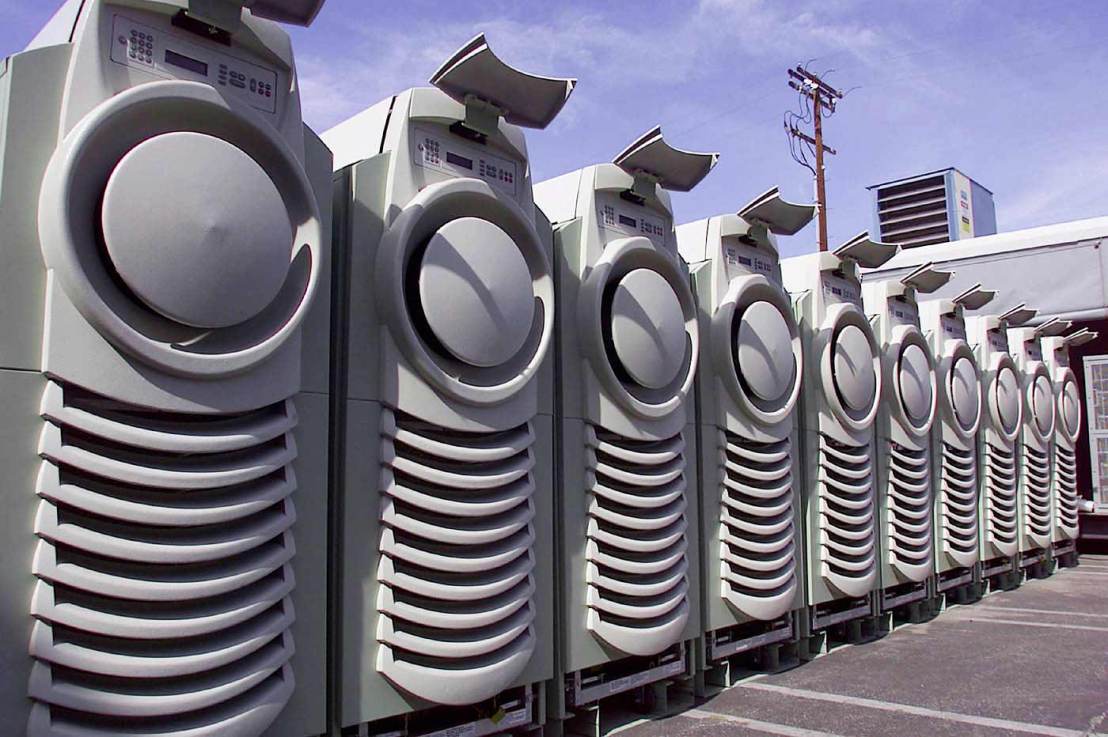
Turbines are the most prevalent means of generating electricity. However, they are often very large, and can’t be used for smaller applications. But what if we were to somehow make them smaller in size? Well, this turns out to be the operating principle behind a device known as a microturbine. Microturbines are the size of refrigerators, can generate between 25 to 500 KW of energy, (enough to power 250-5000 100kw light bulbs!) and can have up to an 80% efficiency of energy! standby power, power quality and reliability, peak shaving, and cogeneration applications, and have the potential to capture a large portion of the turbine market.

Solar ponds

Solar ponds

Solar ponds

06/04/17

“How can we generate solar energy using ponds?”


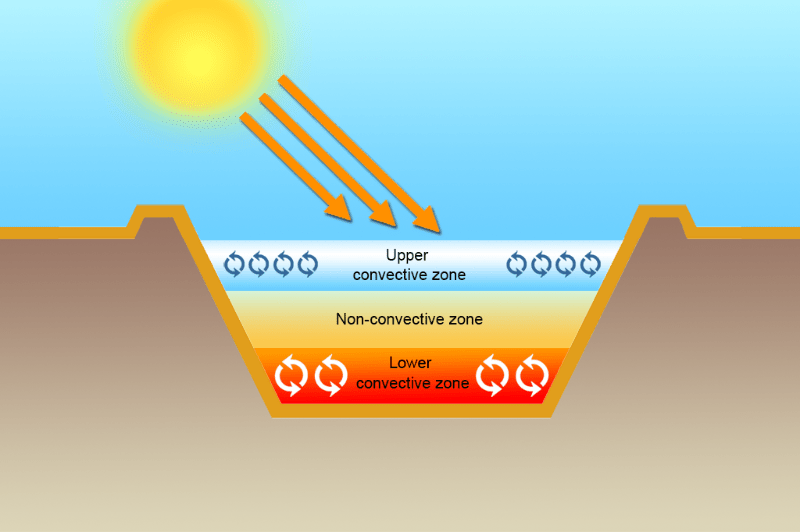
It is well known that we can generate solar energy using photovoltaics and concentrated solar thermal, but is there another way? Well, let’s use our scientific mindset to find out. First, let’s collect a pool of salt water. Because of the salinity gradient between the top and bottom layer, there will be a noticeable temperature gradient (usually of around 30 degrees at the top and 90 degrees at the bottom). This temperature gradient can then be exploited with a thermocouple to produce an electrical current, thereby inducing electrical power! This system is known as a solar pond and is popular in developing countries for its low cost

Incineration waste to energy generator

Incineration waste to energy generator

Incineration waste to energy generator

05/05/17

“Is it possible to turn trash into energy?”


Humanity has two problems. Our levels of waste are piling up every year, destroying available land storage space. We also do not have enough energy to supply everyone on the planet. However, what if we could solve these two problems at once? Well, let’s think about it with our engineering mindset. We know that traditional energy generation methods such as coal and nuclear power involve the decomposition of a material to heat water into steam to drive a turbine. So what if we were to simply burn waste instead? This energy generation method is known as an incineration waste to energy generator and is used all over the world to generate electricity.

Liquid fluoride thorium reactors

Liquid fluoride thorium reactors

Liquid fluoride thorium reactors

04/17/17

“How can we actually make thorium energy a reality?”
Thorium energy is definitely not like your grandparent’s form of nuclear energy. Because of this, the engineering design for its reactors must be significantly different. First, instead of using liquid water to power this system, why not use liquid fluoride? This element is chemically stable, strong against radiation damage, have a high volumetric heat capacity, and can operate at high temperatures while remaining at normal pressures. Next, let’s think about how to implement this. First, let’s feed the salt into the reactor core. The fission from the thorium/uranium decomposition will heat this salt, which can then be transferred through a pipe to heat up a gas which drives a turbine which created electricity. We can then use the excess salt to flow back into the core to be recycled, and the waste heat from the gas can then be used to desalinate water