Tag: Civil Engineering

Sea Level Rise Resilience

Sea Level Rise Resilience

Sea Level Rise Resilience

07/10/19

“Why do we need to protect against sea level rise?”

As the climate changes, sea levels will also rise. This will cause great devastation to coastal communities that were not designed with such high levels in mind. To solve this, institutions, municipalities must implement Sea Level Rise Resilience through walled barriers or managed retreat. Although the upfront cost may seem like a large investment, it will protect against much costlier long-term consequences.  

Cross Laminated Timber

Cross Laminated Timber

Cross Laminated Timber

07/09/19

“How can we make buildings quicker, more sustainably, and more resilient to fire?”

The built environment is going through a crisis. Not enough housing is being developed, the cement used in construction emits a voluminous amount of embodied carbon, and they are prone to destruction by fire. So how can we use our engineering mindset to solve this? Well, what if we were to take many thin wood planks, glue them together to make a series of squares, and then attach these squares perpendicular to each other with adhesives? Not only is this material extra durable, but is also tough against fires and feaster to build in comparison with cement. The added efficiencies add by Cross Laminated Timber can help with societal decarbonization and fixing the housing crisis.

Image credit images.adsttc.com

Rail Freight Transportation

Rail Freight Transportation

Rail Freight Transportation

07/06/19

“How is cargo moved by rail?”

Most cargo is traded by sea. However, many communities live inland and far away from any port. So how do they receive cargo? Well, quite simply, their items are loaded onto a train and moved around via Rail Freight Transportation. Rail freight transport can be extremely cost effective, costing only 2.5 US cents to move one ton a kilometer.

Image credit http://www.nscorp.com

Industrial Water Treatment Plants

Industrial Water Treatment Plants

Industrial Water Treatment Plants

06/21/19

“How is water treated on the industrial scale?”

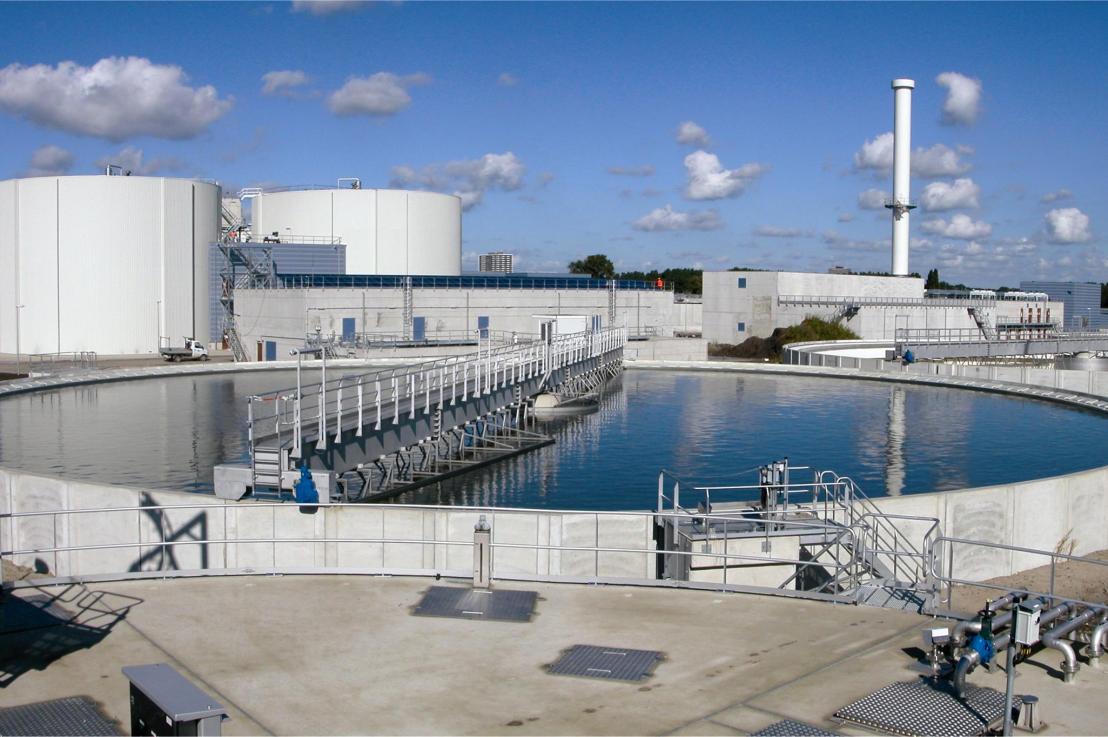
Water treatment is vital for industrialized civilization. However, in order to have it on a massive scale, special facilities will need to be used. This can be accomplished through Industrial Water Treatment Plants, where massive scales of water can be fed in and cleansed. These systems are typically kept close enough to municipalities so they can provide quick service but far enough away where they won’t be able to cause too much pollution to people’s lives.

Image credit http://en.kocaeliaritma.com/wp-content/uploads/2018/10/end_aritma2.jpg

Why Undergrounding Power Lines Makes Them More Vulnerable to Flood Damage

Why Undergrounding Power Lines Makes Them More Vulnerable to Flood Damage

Why Undergrounding Power Lines Makes Them More Vulnerable to Flood Damage

04/12/19

“Why is undergrounding power lines not recommended for flood-prone areas?”

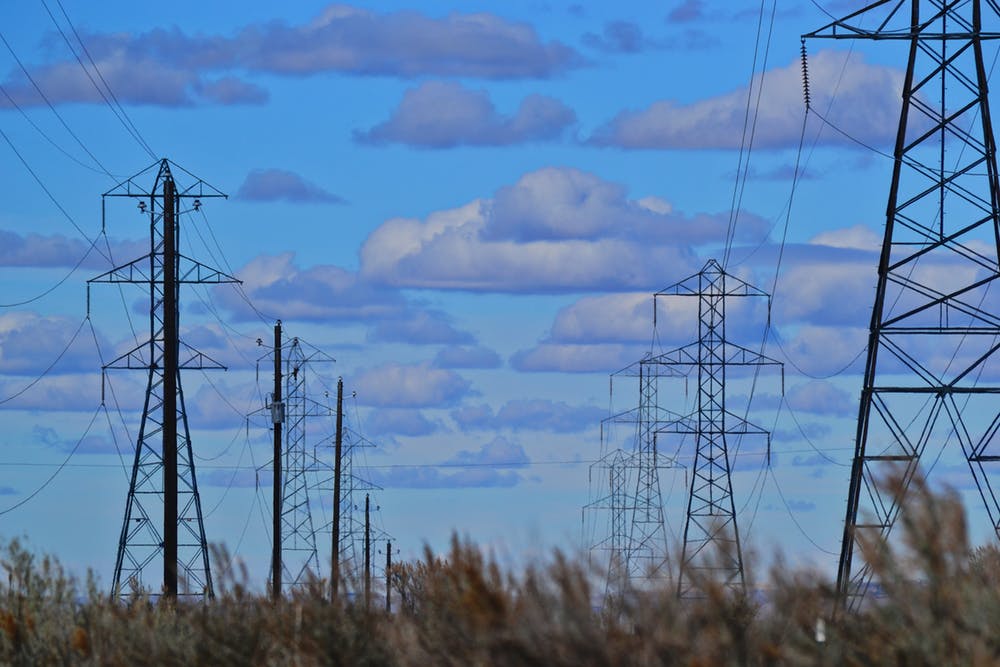
Undergrounding power lines is a recommended course of action to build resilience against forest fires, storms, and heavy winds. However, this also makes them more prone to flood damage, as they will become submerged in water in the event of one. This is Why Undergrounding Transmission Lines Makes Them More Vulnerable to Flood Damage.

The EPA Federal Test Procedure and Why It Is Important

The EPA Federal Test Procedure and Why It Is Important

The EPA Federal Test Procedure and Why It Is Important

03/23/19

“How are vehicles tested for emissions and fuel economy in the United States?”

In the United States, in order to sell a car the emissions and fuel economy must be known. But how can this be accomplished? Well, what if we were to make the vehicle undergo a series of standardized and controlled drive-cycles and measure fuel consumption? This way, not only can we measure its performance for that trip but compare it to every other vehicle that underwent a similar trip. Well, it turns out the EPA does exactly with The EPA Federal Test Procedure.

Image credit: Wikipedia

How to Properly Use Distributed Energy Resources for Resilience

How to Properly Use Distributed Energy Resources for Resilience

How to Properly Use Distributed Energy Resources for Resilience

03/18/19

“How should we use distributed energy resources to build resilience?”

Distributed energy resources such as solar and wind energy are shaping up to be the next dominant paradigm in energy. And one of their most touted benefits is the increased resilience that they will bring. However, research has shown that this will only occur if they are deployed in a careful manner. This means that they will need to be planned to provide backup to vulnerable transmission lines, relieve congestion, and be placed under control of grid operators. This is How to Use Distributed Energy Resources for Resilience.

How Isolating Grid Infrastructure from the Internet can Increase Resilience to a Cyber Attack

How Isolating Grid Infrastructure from the Internet can Increase Resilience to a Cyber Attack

How Isolating Grid Infrastructure from the Internet can Increase Resilience to a Cyber Attack

03/15/19

“How can we increase security by making the grid go offline?”

In the modern world, it seems like everything is becoming connected to the internet. Although this has brought revolutions in communication, it has also left many components viable to a cyber attack. The grid is no different, and has already been hacked because of this. To prevent this from happening, the grid can simply be disconnected from the internet. That way no attacker can come in and tinker with the components. This is How Isolating Grid Infrastructure from the Internet can Increase Resilience to a Cyber Attack.

A Simple Reason Why Humanity Needs to be Less Wasteful to Curb Climate Catastrophe

A Simple Reason Why Humanity Needs to be Less Wasteful to Curb Climate Catastrophe

A Simple Reason Why Humanity Needs to be Less Wasteful to Curb Climate Catastrophe

01/18/19

“What is one tough thing humanity needs to adopt to fight climate change?”


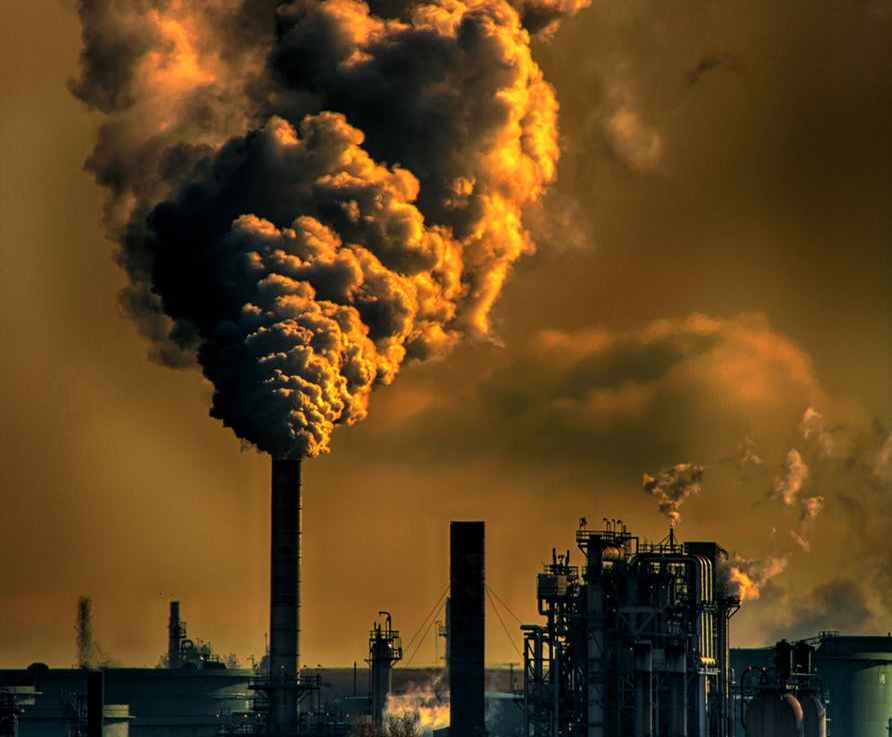
Right now humanity is on track to shoot past a rise of 2-degree centigrade from pre-industrialization by 2030. And one of the primary reasons behind this is because human energy consumption and population has been rising over the years. Much of the global focus to fight this has been increasing technological energy efficiency. But according to the equation I = PAT, if population and affluence rise then it would offset more efficient technology. If humanity does not want to quickly decrease its population then it must change its culture of affluence. This is A Simple Reason Why Humanity Needs to be Less Wasteful to Curb Climate Catastrophe.