Tag: Adaptation

Fire Resilience in the Bay Area

Fire Resilience in the Bay Area

Fire Resiliency in the Bay Area

11/17/18

“How can the Bay Area Adapt to Climate Change-Induced Fires?”


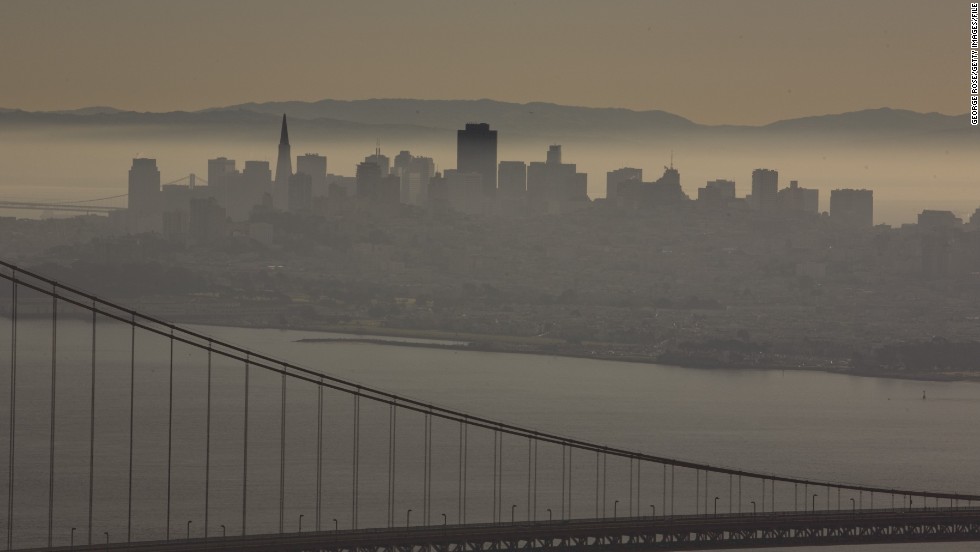
The climate is changing drastically around the world. Temperatures are rising, and dry areas are getting drier. And one of the hardest-hit places right now is in Northern California. As a result of the (as of writing) on-going Butte County Fire, smoke has filled the air of the San Francisco Bay, making it deadlier to breathe in than New Delhi! And with the warming climate, things are only going to get worse.


But things can be done about this. To build resiliency against future fire-related disasters, The Bay Area can enact stricter fire codes, install more ventilation systems in buildings, create underground tunnels between critical infrastructure areas so people can avoid air pollution, and have N95 mask distribution stations. This way, Fire Resilience can be built in the Bay Area


Why Air Quality is an Important Part of Resilience

Why Air Quality is an Important Part of Resilience

Why Air Quality is an Important Part of Resilience

11/11/18

“Why is air quality an important component for resilience?”


In order to build truly sustainable and resilient communities, we must look at all factors, and air quality is no exception. By making living areas more breathable, we can ensure solid public health and cut down on medical infrastructure strain. As a result, Air Quality is an Important Part of Resilience.

Image credit a.scpr.org

How More Extreme Coldwaves will Harm Transportation Infrastructure

How More Extreme Coldwaves will Harm Transportation Infrastructure

How More Extreme Coldwaves will Harm Transportation Infrastructure

10/25/18

“How will Transportation Infrastructure be harmed by more extreme coldwaves?”


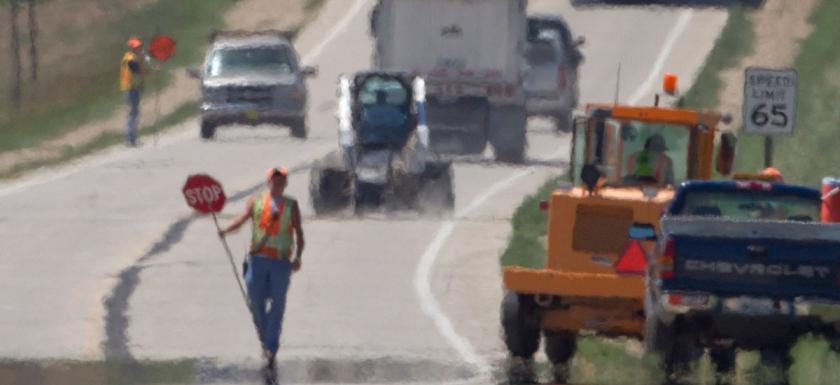
Transportation infrastructure will definitely be impacted by the changing weather. But climate change is doing much more than rising temperatures. More extreme coldwaves in certain parts of the earth are resulting from changing polar vortex. The behemoth damage brought onto transportation systems includes more delays in train/plane schedules, heavier icing of streets, and more stress on structures. This is How More Extreme Coldwaves will Harm Transportation Infrastructure.


How More Extreme Heatwaves will Harm Transportation Infrastructure

How More Extreme Heatwaves will Harm Transportation Infrastructure

How More Extreme Heatwaves will Harm Transportation Infrastructure

10/24/18

“How will transportation infrastructure be harmed by more extreme heat waves?”


With the ascent of more extreme temperatures, heatwaves will more frequent and more deadly. This will affect all sectors of critical infrastructure systems, transportation being one of them. With these new temperatures, railroads will buckle, cement will be deformed, and transit schedules will be vastly transformed. This is How More Extreme Heatwaves will Harm Transportation Infrastructure. 


Image credit https://www.ucsusa.org

Why We Need to Expand Coastal Barriers for Climate Change Resilience

Why We Need to Expand Coastal Barriers for Climate Change Resilience

Why We Need to Expand Coastal Barriers for Climate Change Resilience

10/21/18

“Why should we expand coastal barriers to withstand against climate change?”


As the global average temperatures and sea levels continue to rise, the world will need to adapt in response. Part of this will include expanding coastal barriers to prevent against widespread destruction as seen in New Orleans and Houston.


Image credit images.arcadis.com

How Recontouring the Baylands can Make the Bay Area More Resilient

How Recontouring the Baylands can Make the Bay Area More Resilient

How Recontouring the Baylands can Make the Bay Area More Resilient

10/17/18

“How can making the sediment in the Baylands help protect the Bay Area against climate change?”


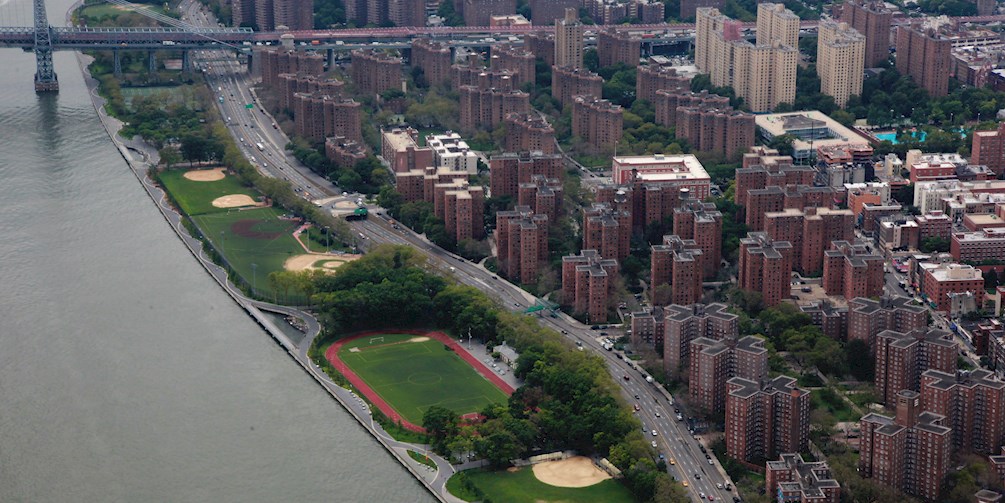
The Bay Area has a problem. Decades of infill developments in the Baylands have changed its sediment runoff cycle and left it exposed to flooding from rising sea levels. However, a consulting group has found that by reversing things to its natural order through softening its edges, tidal wave energy can be dissipated and upgradings the Bay’s safety by an order of magnitude. This is How Recontouring the Baylands can Make the Bay Area More Resilient!


[Image: Public Sediment/courtesy Resilient by Design]

Why Stormwater Infrastructure in the US Needs to be Upgraded for Resiliency

Why Stormwater Infrastructure in the US Needs to be Upgraded for Resiliency

Why Stormwater Infrastructure in the US Needs to be Upgraded for Resiliency

10/06/18

“Why does the US need to upgrade its stormwater infrastructure?”


US stormwater infrastructure is in a state of trouble. Many of the systems in place were designed a hundred years ago, long before the greenhouse effect was even an idea. As a result, with the warming climate, air now can hold more water on average, leading to heavier rainfall that can overwhelm stormwater infrastructure. Since the much of the current infrastructure does not hold up, Stormwater Infrastructure in the US Needs to be Upgraded for Resiliency.


Image credit toccoainc.com

How Building-Integrated PV Can Increase Climate Resiliency

How Building-Integrated PV Can Increase Climate Resiliency

How Building-Integrated PV Can Increase Climate Resiliency

08/21/18

“How do solar panels on buildings increase climate resiliency?”


With the advent of exacerbated global catastrophes, climate change resiliency must be built into all of our critical infrastructure systems. One facet is this is to reduce the reliance on long-distance transmission for electricity and carbon-intensive energy sources. One way to do this is to implement building-integrated solar PV. with BIPV systems, clean energy can be generated on site (allowing for off-grid power use even in the case of a blackout), and the need for transmission lines will be reduced (fewer transmission lines can reduce the potential for wildfires). In short,  Building-Integrated PV Can Increase Climate Resiliency.


What is causing the California Wildfires and What Can We Do About It?

What is causing the California Wildfires and What Can We Do About It?

What is causing the California Wildfires and What Can We Do About It?

08/19/18

“Why are there so many wildfires in California now and how can we fix them?”


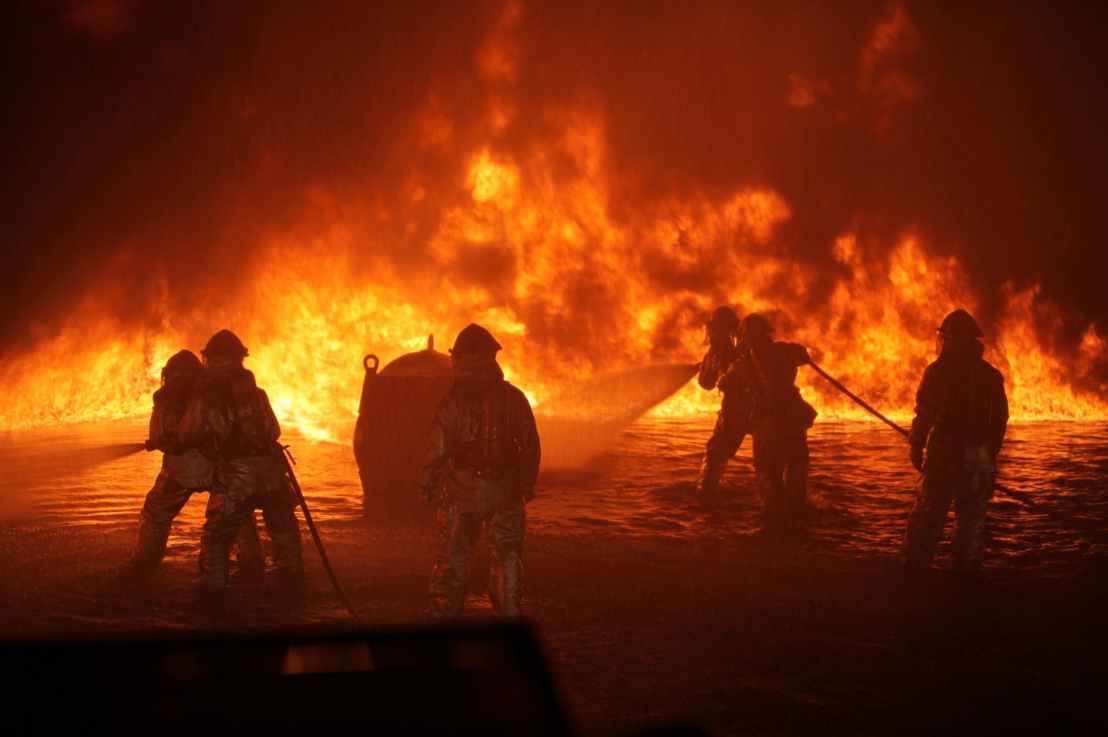
I love living in Northern California. Whether it be the myriad of different natural wonders I can visit, the passionate people who want to change the world, or the wealth of scientific opportunity that is available. But things are definitely changing and it’s not just the housing prices. It seems like wildfires are becoming more frequent and even more deadly. And the statistics say that this isn’t just my intuition. 13 of the 20 greatest fires in recorded Californian history have taken place since the turn of the millennium, and the average cost to fight them has only grown.


Why is this happening? There are many reasons. Increasing temperatures and decreasing rainfall have left much of the state arid and prone to combustible accidents. Aging transmission infrastructure has resulted in power lines becoming more prone to failure, often times resulting in a fire occurring. Suburban sprawl has also led to overdevelopment in fire-prone areas. 


So what can we do about this? Well, we can adapt our infrastructure and society to climate change to increase our resilience to climate change. This can be accomplished by repairing grid lines, restricting development in fire-prone areas, and reducing reliance on the grid through distributed energy resources such as building integrated solar. If California can take action to solve these problems, then it can provide an example for other areas facing similar catastrophes such as Portugal and India to follow. Only through these actions can we ensure the safety of our society.

The fact that I couldn’t see the Santa Cruz mountains from San Jose or breathe the fresh marina air in Berkeley in the way I used to take for granted troubles me greatly. I want to ensure that the next generation will have the same privileges I had during my early years in the Bay.