Category: Engineering

Smart Thermostats

Smart Thermostats

Smart Thermostats

09/13/17

“How can we make thermostats more effective?”


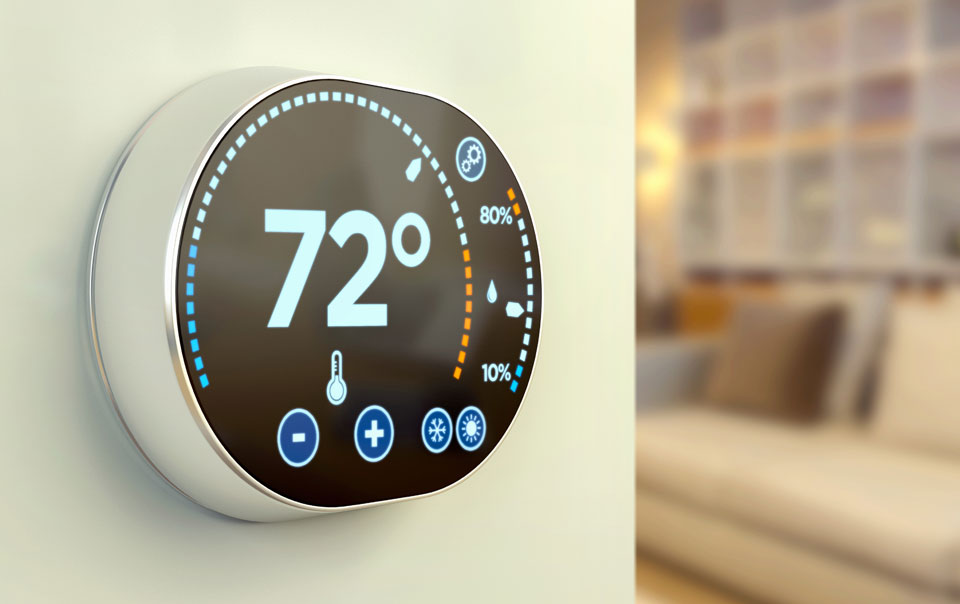
Thermostats are essential for keeping a home cozy and tidy. However, traditional thermostats are unable to respond directly to an environment, making them inappropriate for the increasingly dynamic nature of modern building energy management. So how can we use our engineering mindset to configure thermostats that can adapt readily to their environment? Well, what if we were to make smart thermostats with real-time sensors that can collect data about the surrounding environment and make snap decisions, such as adjusting the temperature and introducing local zones, as well as be controlled from an external device? Well, it turns out that this is being carried out in everyday life, with new smart thermostat companies popping up all over the world from the heart of Silicon Valley to the streets of London.

Liquid pressure variation with height

Liquid pressure variation with height

Liquid pressure variation with height

09/12/17

“How does the pressure of a liquid vary with height?”


Liquids are famous for their permeable structure, such that you can insert an object at any point inside it. However, depending on which part of the height you insert it, it will experience a different pressure. So how can we quantify this pressure variation with height? Well, if we investigate empirically, we will find out that this variation can be symbolically represented as P = rho*g*h, with P being the pressure, rho being the density, g being the gravitational acceleration, and h being the height.

Plenum chambers

Plenum chambers

Plenum chambers

09/11/17

“How can we store gas for heating?”


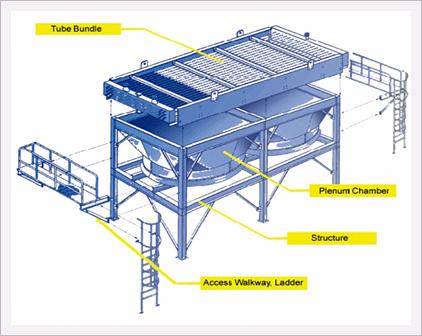
Oftentimes, we need to store gas to heat a space. So how can we do this using our engineering mindset? Well, what if we were to simply have a pressurized house that could trap a gas and release it on command? This is the basic idea behind a plenum chamber and is used in houses all over the world.

Diffuser (thermodynamics)

Diffuser (thermodynamics)

Diffuser (thermodynamics)

09/08/17

“How can we slow down a fluid while increasing its pressure?”


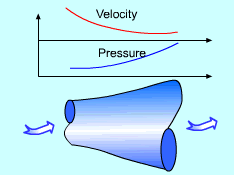
When working with fluids, we often want to modify its properties in some meaningful way. This could include changing more than one at once, such as slowing down its velocity while increasing its pressure. So how exactly can we accomplish this? Well, what if we were to just get a machine to do this? This is the exact idea behind a diffuser, which is the basis of operation for multiple types of HVAC systems.

Thermostatically Controlled Loads

Thermostatically Controlled Loads

Thermostatically Controlled Loads

09/06/17

“How exactly can we model loads that are controlled by thermostats?”


Machines take energy from the grid under many parameters. And some of them are controlled by environmental temperatures, such as temperature. And a portion of these units (such as HVAC systems, water boilers, and refrigerators) try to match their setpoints to a value on a thermostat. These machines are known as thermostatically controlled loads and are used in grid-building system modeling to generate predictions about demand side energy usage.

Deadband

Deadband

Deadband

09/05/17

“Do some control systems have a zone with no feedback?”
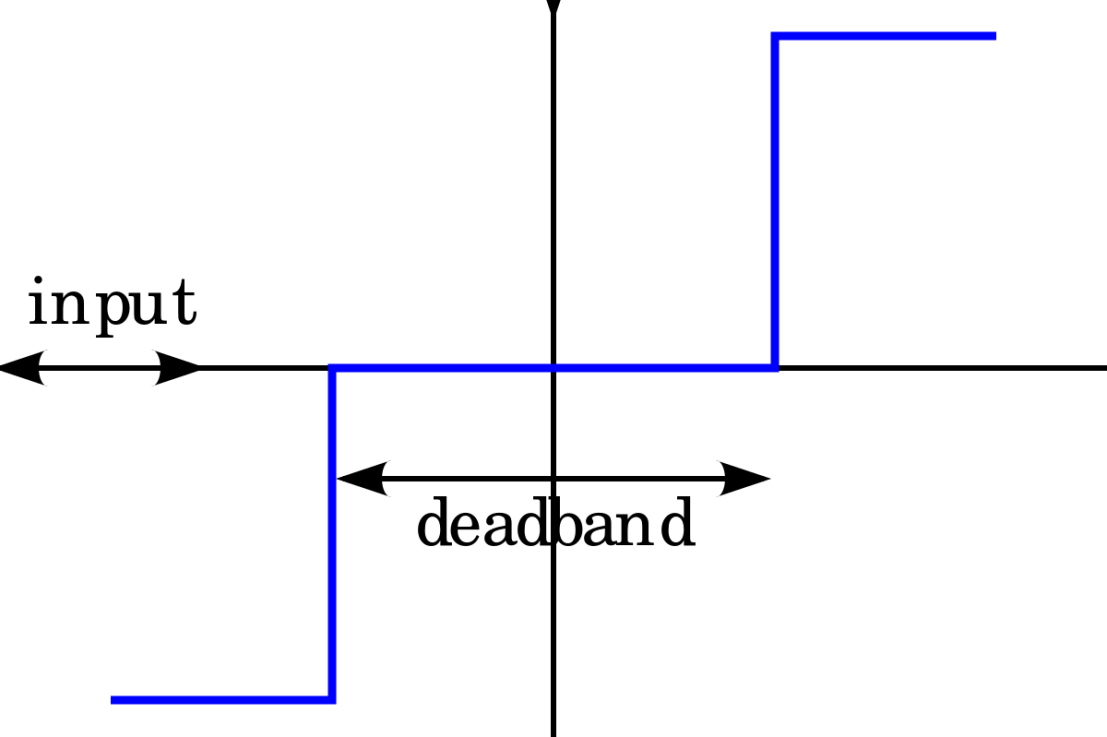
Ideal controls systems are available to take in all possible frequencies. Some controls systems have a zone where the input frequency will return nothing. This region is known as the deadband and can be used to prevent unwanted side-effects.

How to solve farsightedness using physics

How to solve farsightedness using physics

How to solve farsightedness using physics

09/04/17

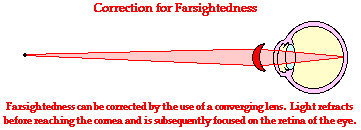
“How can we correct farsightedness using scientific knowledge?”


Although not as pervasive as near-sightedness, far sightedness is becoming an increasingly common problem, with 5-10 percent of Americans experiencing such a diagnosis. Nearsightedness, also known as hyperopia, is caused when the focal length of an individual’s eyeball is too large, causing the incoming light rays to focus on a point behind the eye (Make a link to how images form in the eye), which in turn will cause a fuzzy image. To correct this, we can insert a positive lens in front of the eye of an individual, which will cause the light to refocus at the back of the eye, enabling normal sight.

How to solve nearsightedness using physics

How to solve nearsightedness using physics

How to solve nearsightedness using physics

09/03/17

“How can we apply our knowledge of science to help nearsightedness?”


Nearsightedness is a pervasive phenomenon in modern day society, with nearly 40% of Americans being affected by the issue. This phenomena, also known as myopia, is caused when the focal length of individual’s eye ball lens is too short, causing its focal length to decrease, which causes these incoming light rays to be focused on a point in front of the back of the eye, which in turn will cause a fuzzy image to be received by the brain. So how can we use our scientific knowledge to correct this medical issue? Well, let’s think about it. Well, we know that we can change the direction of light using lenses. Furthermore, if we use a negative lens, then the incoming angle will go out in a higher direction. So what if we were to place a negative lens in front of our eye and let the light come through? Well, it turns out that this method can be found in nearly every single pair of eyeglasses, and is a prime example of how to solve nearsightedness using physics!