Sustainability is the overarching goal of many people who work in energy, climate, and infrastructure. However, we must also take into account the concept of Climate Change Resilience. Simply put, Climate Change Resilience is the measure of a system’s capacity to withstand the increased external stresses of climate change. Take for example Puerto Rico during Hurricane Maria. When the extreme weather knocked down transmission lines and diesel plants, those who were dependent on them lost all power. However, people who had installed solar panels and microgrids were able to continue to use their electrical appliances despite the tumultuous events. Climate Change Resilience is used to quantify how much adaptation an area needs to do before becoming climate ready. By having infrastructure ready for the climate chaotic future, we can ensure human civilization a safe and resilient time on this planet.
“How can we increase urban climate resilience with trees?”
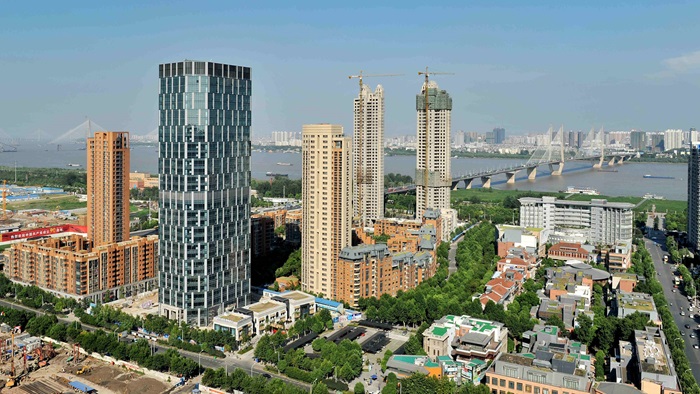
With each passing day, more and more people are living in cities. However, dense urban conglomerations are prone to drastic climate change events, such as deadly heat waves worsened, exacerbated pollution, and flooding from rainfall. But one simple way to combat this is to plant more trees. This Urban Tree Cover lowers temperatures, absorbs pollution, and protects from rainfall flooding. This is just a simple illustration of how a little bit of scientific knowledge can help increase climate change resilience.
“How can we make our built infrastructure resilient to unpredictable floods?”
As the climate continues to warm, floods such as those in Houston are becoming more common. To act in accord with climate change adaptation, societies can make implement flood control into their infrastructure. This includes measures such as constructing floodgates or zoning buildings away from flood zones.
“So how much energy does the average person use in a year?”
Humans use energy around the world every day, whether it be in powering their house or driving the car. However, have you ever wondered how much energy is used in one year? Well, it all depends on where you live. Around the world, the average is around 77 gigajoules per capita, with the highest being Iceland at 786 gigajoules to Bangladesh at 9.05 gigajoules. The US sits at 290.47 gigajoules per capita, and California at 122.6 gigajoules per capita because of The Rosenfeld Effect.
How Additive Manufacturing Can Help With Sustainability
06/13/18
“Can Additive Manufacturing help fight Climate Change?”
Additive manufacturing is any maker’s dream. But did you know that it could also help fight global warming? Well, because additive manufacturing makes items by adding layer upon layer of material, it is not limited by traditional manufacturing processes. Therefore, less material can be used, and slimmer, more efficient designs can be achieved. As a result, manufacturing will become less resource intensive, and carbon emissions can be reduced.
Urgent Report: Humanity is not Investing Enough into Renewable Energy!
06/11/18
“How much more renewable energy do we exactly need to build?”
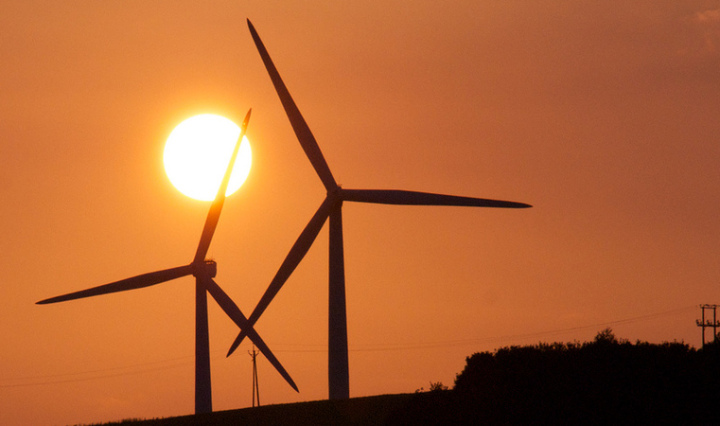
Humanity is in big trouble. Although we have been investing more in renewable energy than ever before, at our current rates it is still not enough. A paper by Ken Caldeira at the Carnegie Institute for Science has calculated that the entire world will need to 1.1 gigawatts of clean energy per day to limit climate change levels to be below 2 degrees Celsius. But against this monumental number, we are only adding around 15% of that! If we keep going at this pace, it will take four centuries to completely overhaul our energy system, which could lead to drastic consequences.
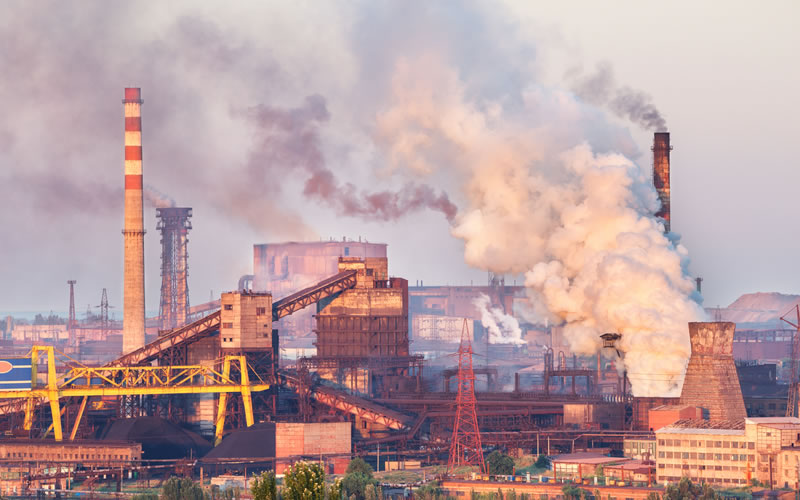
Air Pollution is one of the most discussed topics in both scientific research and public policy. But what is it exactly? Well, when some form of chemical activity occurs, whether it be in a manufacturing process or the aftermath of an internal combustion engine, chemicals may be released into the air. And some of these chemicals such as carbon dioxide and carbon monoxide may be toxic to human health, thereby creating air pollution!
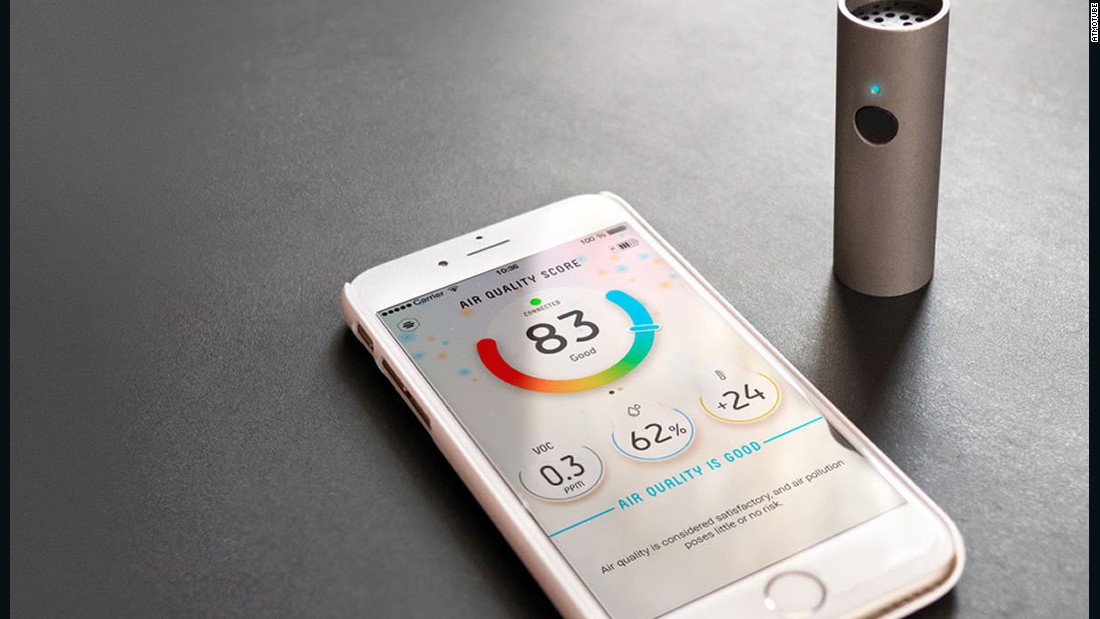
Air pollution is one of the most harmful side effects of industrialized activity. Whether it be shipping in the Port of Los Angeles, manufacturing in Shenzhen, or vehicular smog in Delhi, air pollution can seriously destroy public health. But how can we use our engineering mindset to quantify this? Well, we know that sensors are commonly used for detection, engineers have created Air Pollution Sensors to solve this crisis. Air Pollution Sensors can be configured to detect five types of pollutants: ozone, particulate matter, carbon monoxide, sulfur dioxide, and nitrous oxide.
One of the most popular crops in my home state of California is the Almond. Almonds are loved around the world for their nutritional benefits and plant-based protein. However, like any bit of produce, they also require resources to grow. Popular sources have stated that each nut requires a whopping 1.1 gallons (around 4.16 liters) to grow! However, that only tells a part of the story. It turns out that Almond trees have multiple uses such as removing pollution from the air and being turned into firewood. In fact, the Almond industry has grown by 60% in California since the 90s while its water consumption has remained flat. Therefore, when reading about information online, be sure to always check empirical facts.



 Isaac's Science Blog