Why Mediterranean Climates Are More Prone to Wildfires
12/21/19
“Why are Mediterranean climates more prone to wildfires?”
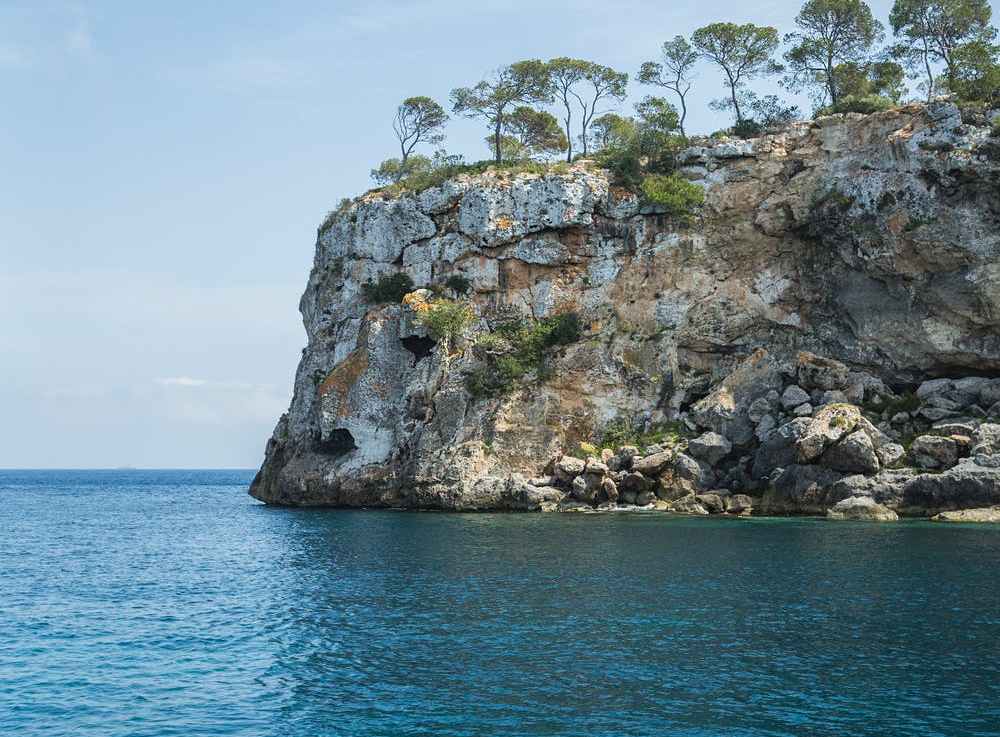
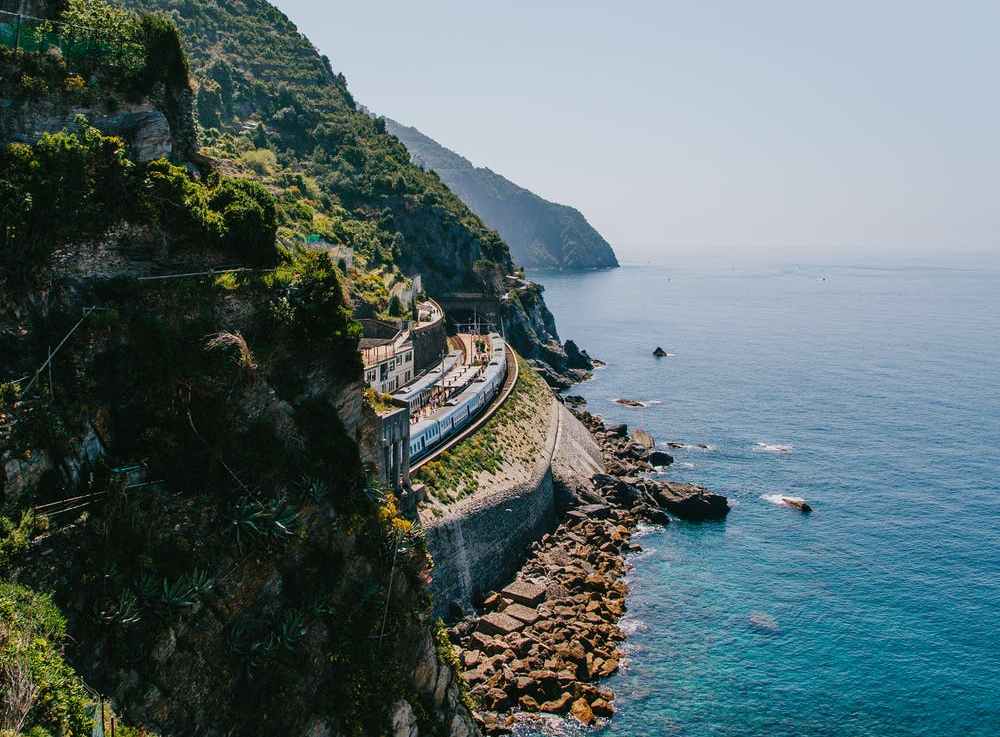
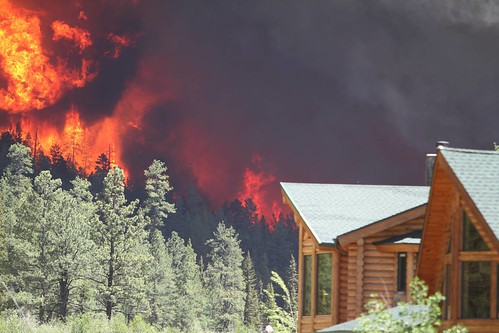
Mediterranean regions are world-renowned for their natural beauty, temperate climates, and mellow settings. These zones usually start the year with a short, mild, and moist winter season followed by a long, warm dry, summer season. This means that a lot of foliage grows when it rains and then dies when the rain stops. This abundance of fuel in hot and dry conditions makes the perfect ingredient for wildfires to occur, which is Why Mediterranean Climates Are More Prone to Wildfires. This will only become more intense with the advent of climate change, as the Winter season is becoming shorter and wetter and the Summer longer and drier.
“Where can firefighters take shelter while fighting a wildfire?”
Firefighters have very difficult jobs. They have to respond to catastrophic emergencies at a moment’s notice, even if it means waking up in the middle of a night and rushing hours to the site. This can be especially difficult when fighting large-scale wildfires, which can go on for days and even weeks and take up enough land to fill a country. As a result, they will need time to rest during operations. To do this, they must seek out Wildfire Safety Zones which can provide refuge from the blaze and allow the firefighters to survive without being injured from exposure to the radiant and convective heat from the fire, and would not have to deploy and enter a fire shelter.
Why Planting Native Trees Can Build Resilience to Wildfires
12/18/19
“How can we build resilience to wildfires by simply planting trees that are native to the local ecosystem?”
Wildfires and how to build resilience against them are some of the hottest topics in areas with Mediterranean climates. Much of the time techniques using built infrastructure are proposed, such as building microgrids or housing with new flame-resilient materials. However, one of the most effective methods can be one does not require a single wire or piece of concrete. Due to globalism and colonialization, many Mediterranean climates contain invasive species of trees that are more likely to burn. By replacing these with tree species that are adapted to the local climate and are more resistant to burning, we can decrease the intensity of burnable fuel in an area and achieve better Wildfire resilience. This is Why Planting Native Trees Can Build Resilience to Wildfires.
“How are people temporarily displaces from their homes because of climate change?”
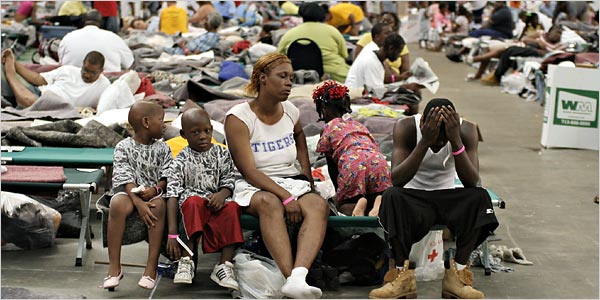
Climate change is making environmental disasters larger and stronger than ever before. Whether it be the fires raging in Northern California or the Hurricanes blasting Puerto Rico, things are definitely not what they used to be. This can cause locations to be temporarily uninhabitable, and only after infrastructure reaches a certain level of repair can these Short-Term Climate Refugees return to their home. An example of this can be found in Hurricane Katrina, where numerous families from New Orleans had to spend extended time outside of the city before returning.
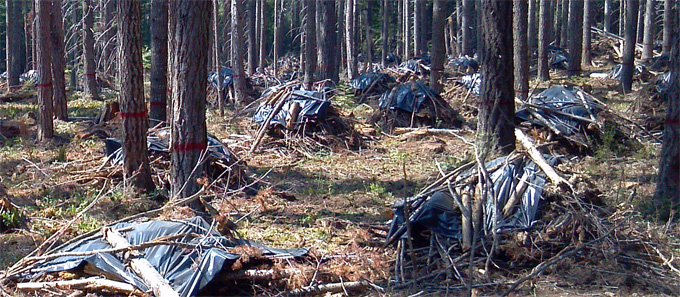
Wildfires can devastate communities and are only becoming a more pertinent problem with the advent of climate change. But what exactly is the primary factor for their spread? Well, just like parasites need a host to grow, fires need substances to burn. This Wildfire Fuel often comes in the form of trees, bushes, grass, and other burnable vegetative material that wildfire fuel managers have to contend with.
“How can we manage the amount of burnable fuels found in wildfires?”
Wildfires are becoming an increasingly difficult problem in dense, forested, dry regions as a result of climate change. One of the most critical vulnerabilities in these areas are the fuel, or material that can ignite wildfires on the ground. Through Wildfire Fuels Management, we can look at what might be igniting these fires and ensure that proper mitigation is achieved.
Wildfires pose a grave danger to the communities that are affected by them. Many active mitigation measures call to change this by employing Wildfire Suppression which stops fires in their tracks. This can either be done through firefighters on the ground or flame-retardant sprayed by helicopters.
“What is the border region between the wilderness and urban areas and why is it a resilience risk?”
In the human imagination, urban areas and wilderness are two distinct areas. However, in reality, there is a transition zone known as the Wildland-Urban Interface, where human populations mix with forests. Because these areas usually contain copious amounts of burnable fuel, living inside them creates a risk for wildfires to occur. As such urban planners, civil engineers, and policymakers will need to work together to minimize human presence in these areas.
Why Too Much Wildfire Suppression Can Lead to More Fires
11/24/19
“Why should we calm down on wildfire suppression so more fires can be prevented?”
Wildfires can be quite scary. Their uncontrollable, deadly nature makes it inconvenient for municipal governments and damaging to nearby communities. For this reason, the wildfire emergency management programs in the United States, Canada, and Australia usually put out such disasters at first notice. However, this leads to a large amount of flammable material being present, making future wildfires bolder and even more deadly. To prevent this, controlled burns need to be instituted to ensure that regenerative processes can occur. This is Why Too Much Wildfire Suppression Can Lead to More Fires.