Category: Earth/Climate science

Wildfire Conditions Monitoring

Wildfire Conditions Monitoring

Wildfire Conditions Monitoring

11/20/19

“How can we monitor weather conditions for wildfires?”


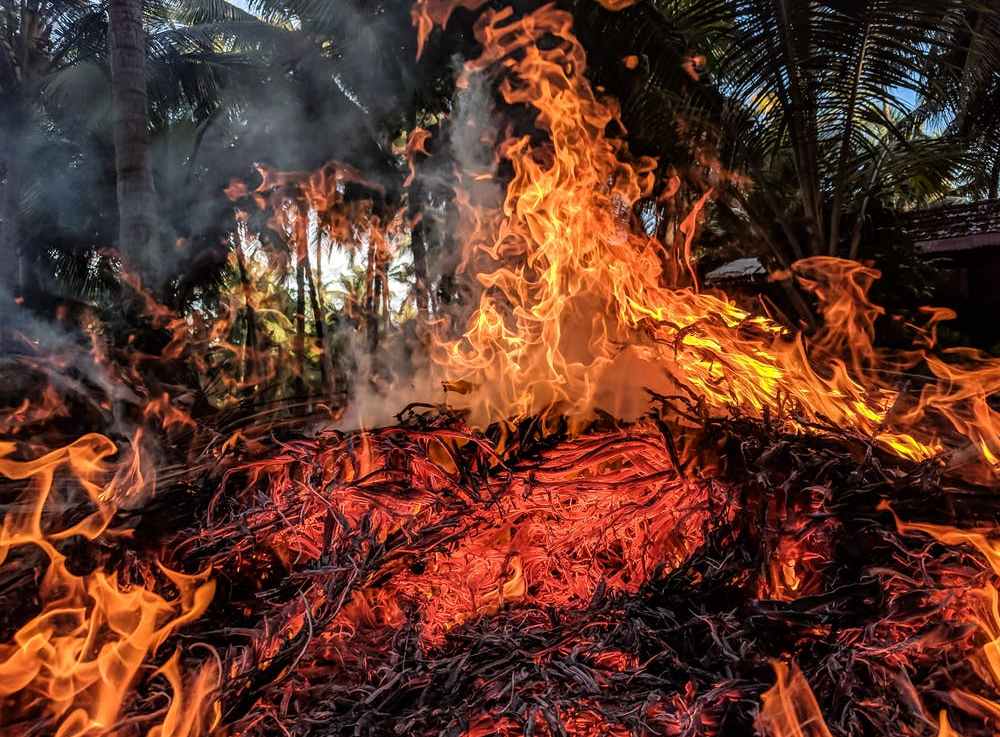
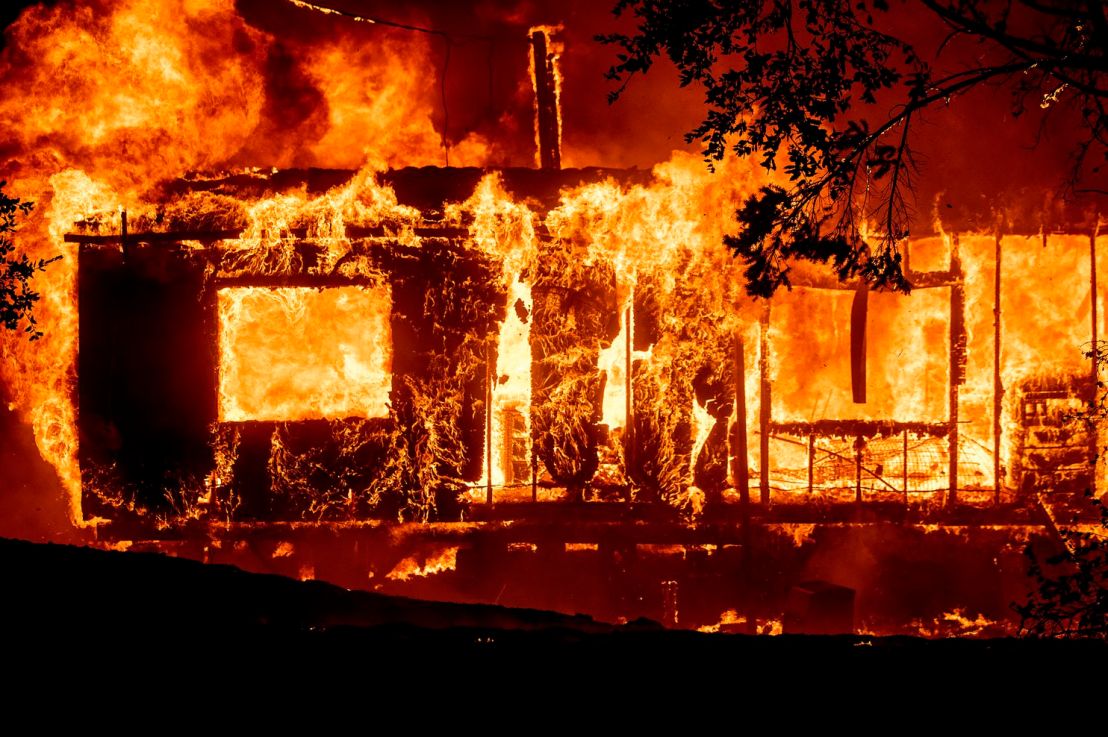
Wildfires have the potential to wreak devastation to entire communities, especially when exacerbated by climate change. To ensure that we can have situational awareness of when one might start, Wildfire Conditions Monitoring needs to be operational. This can include observing the temperature and dryness levels, analyzing what burnable materials are present, and keeping track of human activity. If done properly, wildfire mitigation can be vastly simplified.

Wildfire Mitigation

Wildfire Mitigation

Wildfire Mitigation

11/19/19

“How can we mitigate wildfires before they happen?”


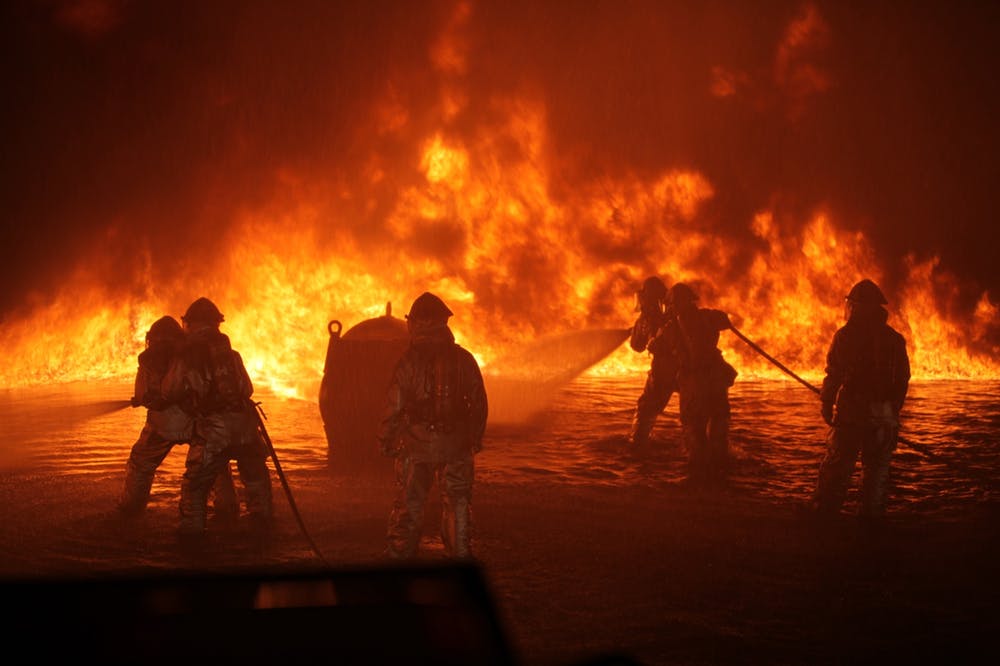
Wildfires are becoming the bane of every Mediterranean climate resident’s existence. And although emergency management is something necessary to develop, a milligram of prevention is worth a kilogram of cure. By practicing Wildfire Mitigation strategies, such as preventing flammable debris overgrowth, banning fire-inducing items such as cigarettes from dry areas, moving people out of burnable areas, and (in extreme cases) shutting down power lines. This has the potential to save dozens of lives and billions of dollars in property damage.

How Green Roofs Can Create Flood Resilience

How Green Roofs Can Create Flood Resilience

How Green Roofs Can Create Flood Resilience

11/17/19

“How can green roofs be apart of flood resilience?”


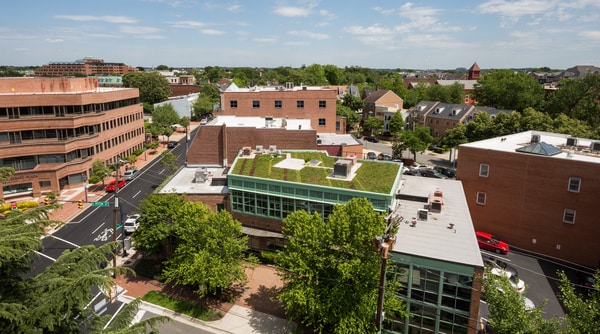
Climate change is bringing new weather patterns all over the world. In some areas, this will mean flooding in almost biblical proportions. Planting urban greenery on the ground is often sought as a natural way to combat this. However, this is usually implemented on the street level, and in many dense locations such as Manhattan or Hong Kong roofs take up a larger portion of the direct surface area and streets less so. So wouldn’t it be logical if we invest resources into creating green roofs that can absorb downpours? Not only would this divert flooding but also decrease air pollution and create produce that can be used by local communities. This is How Green Roofs Can Create Flood Resilience.


Image credit http://www.buildings.com

How to Build Resilience Against Fire-Inducing Winds

How to Build Resilience Against Fire-Inducing Winds

How to Build Resilience Against Fire-Inducing Winds

11/15/19

“How can we make our communities more resilient against fire-inducing winds?”


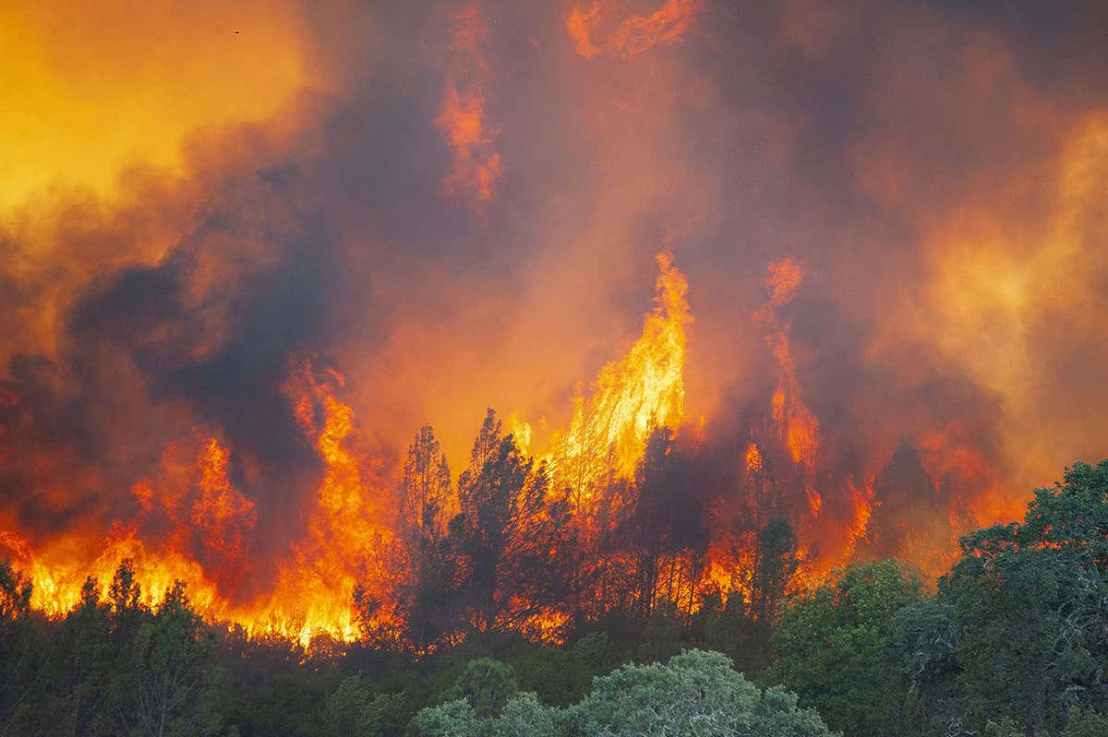
Strong winds have the potential to induce wildfires in hot dry climates. This threat will only be magnified by the transformed weather conditions induced by climate change. So how can we make our communities more resilient against these fire-inducing winds? Well, there are multiple ways of accomplishing this. First, more accurate weather prediction services can be developed so people can have a better sense of when strong winds are present. Another way is to develop microgrids connected to distributed energy resources to ensure a steady flow of electricity when the main grid has been shut down by the utility. Utilities can also underground transmission lines to insulate them against the effects of strong winds. These are only a few ways that we can think about How to Build Resilience Against Fire-Inducing Winds.


Image credit images.newscientist.com

How Climate Change Is Making the Bay Area Windier and More Prone to Fires

How Climate Change Is Making the Bay Area Windier and More Prone to Fires

How Climate Change Is Making the Bay Area Windier and More Prone to Fires

11/14/19

“Why is a windier Bay Area more at risk of fires?”


The Earth’s climate is changing more and more as larger volumes of carbon dioxide are poured into the atmosphere. Nothing seems to be unaffected, not even wind speeds. Although the data right now is scarce, current projections are showing that Northern California is experiencing windier seasons years after year in the autumn, which when combined with dry and hot conditions can lead to wildfires. As a result, government officials may need to think about how to incorporate this issue into their resilience planning. This is How Climate Change Is Making the Bay Area Windier and More Prone to Fires.


Image credit https://climatefeedback.org/

How Planting Trees in Urban Areas Improves Air Quality

How Planting Trees in Urban Areas Improves Air Quality

How Planting Trees in Urban Areas Improves Air Quality

11/08/19

“How does planting trees in cities improve air quality?”


Many cities are suffering from two simultaneous issues: horrendous air pollution and a lack of greenery. Both of these can be solved by planting trees in urban areas. Trees are able to absorb CO2 and release oxygen, making local areas fresher and better to breathe. Cities around from all over the world, from Jakarta to Atlanta, are taking this logical, sustainable course of action.

Defensible Spaces for Wildfires

Defensible Spaces for Wildfires

Defensible Spaces for Wildfires

11/06/19

“How can we create a defensible space to protect buildings from wildfires?”


Wildfires are becoming a larger and larger problem with the advent of climate change. To prevent further destruction, resilience techniques are being developed for buildings. However, many of these techniques rely upon technical solutions such as solar plus storage which might be expensive or unavailable in the case of a power outage. So how can we think of new, more natural ways to prevent widescale destruction? Well, what if we were to make the area around the building less burnable? We can accomplish this by making trees far apart from each other, using rock and water landscape space, and planting flame-resistant grass and plants. This Defensible Spaces for Wildfires is an excellent passive resilience strategy that can be implemented in a simple and affordable manner.

Image credit firesafemarin.org

Why Climate-Exacerbated Wildfires Are Causing an Insurance Crisis

Why Climate-Exacerbated Wildfires Are Causing an Insurance Crisis

Why Climate-Exacerbated Wildfires Are Causing an Insurance Crisis

11/05/19

“What are climate-exacerbated wildfires doing to the home insurance market?”


How would you feel if your home no longer had any financial security?


Home insurance is vital for providing families a financial safety net in case of a disaster. Usually, the cost and availability of insurance will vary by how prone a certain area is to external disasters. But with the advent of climate change, zones once considered safe to live in are now a precipitous liability. And one has to look no further than simple wildfires to see an illustration of this.


With no doubt, climate change is exacerbating rain-parched forested area’s wildfire problem. The increasing heat and dryness are causing wildfire season to grow longer and flammable areas to extend beyond their historic boundary. As a result, insurance companies are reevaluating homes all over such places, increasing resident’s premiums and even sometimes removing coverage altogether! This is leading to an insurance crisis, where a multitude of homeowners can either no longer pay for their insurance or are unable to sell their homes, turning it into a sunken financial asset. Only through smart policy, economics, and wildfire prevention protocol can this ever have any hopes of being solved. This is Why Climate-Exacerbated Wildfires Are Causing an Insurance Crisis.