Month: June 2019

Industrial Water Treatment Plants

Industrial Water Treatment Plants

Industrial Water Treatment Plants

06/21/19

“How is water treated on the industrial scale?”

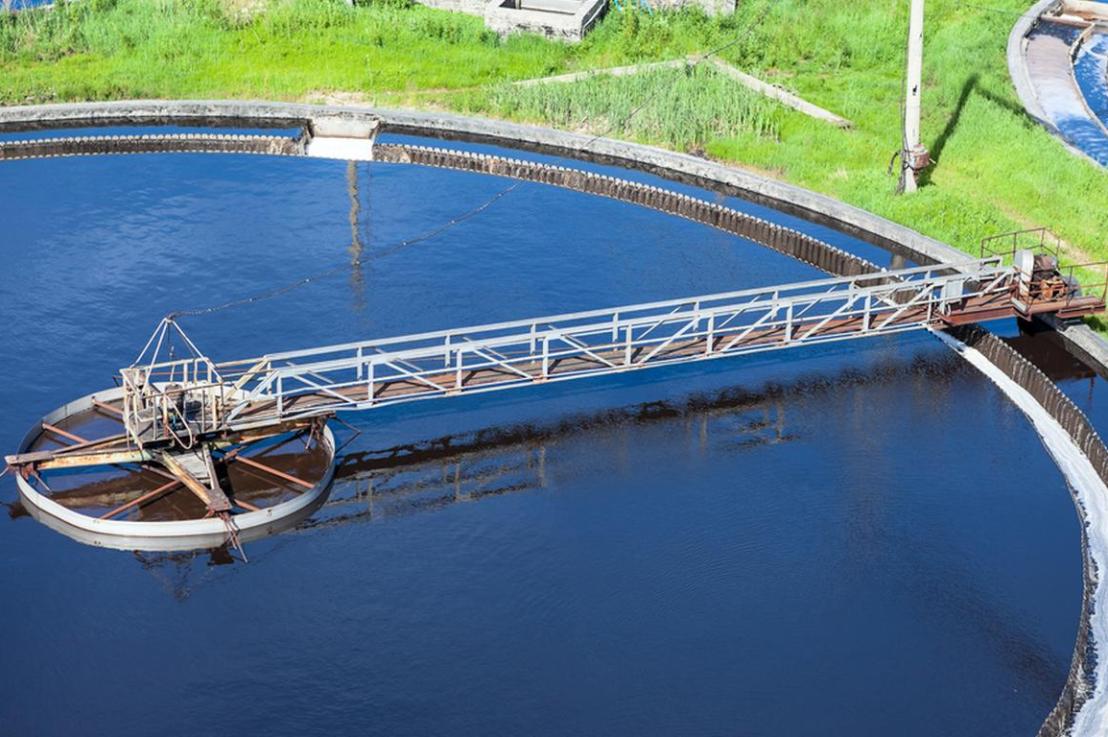
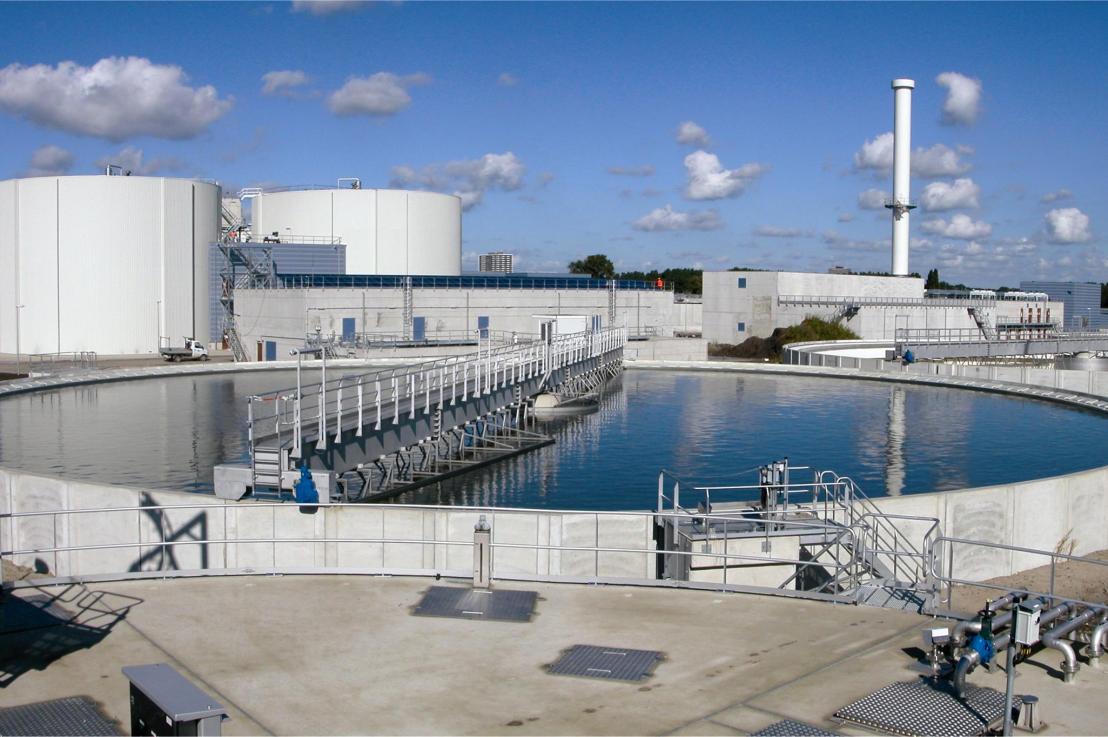
Water treatment is vital for industrialized civilization. However, in order to have it on a massive scale, special facilities will need to be used. This can be accomplished through Industrial Water Treatment Plants, where massive scales of water can be fed in and cleansed. These systems are typically kept close enough to municipalities so they can provide quick service but far enough away where they won’t be able to cause too much pollution to people’s lives.

Image credit http://en.kocaeliaritma.com/wp-content/uploads/2018/10/end_aritma2.jpg

Negative Carbon Emission Technologies

Negative Carbon Emission Technologies

Negative Carbon Emission Technologies

06/20/19

“How can we use technology to remove carbon dioxide from the atmosphere?”

Humanity is reaching a crisis point. We are adding so much carbon dioxide to the atmosphere each second that we will soon reach irreversible climate damage. To solve this, we’re going to need to use every technology we have at our arsenal, whether it be wide arrays of solar panels or intense energy efficiency measures. But the true kingmaker of solutions comes from a group of technology that is still quite ominous and undeveloped. These Negative Carbon Emission Technologies work by using a series of processes to store more carbon dioxide than they produce. This can be done in a multitude of ways, whether it be through planting more trees or capturing carbon from the atmosphere and shoving it down into the ground. With these solutions, we can tip the odds in our favor in our fight for decarbonization.

Image credit: https://media.wired.com

Brine

Brine

Brine

06/19/19

“What happens when water has a super-high concentration of salt?”

It is hard for humans to digest water with salt mixed in. So when water has an ultra-high concentration of salt, it takes on interesting properties. The salinity of this Brine can be used for food-processing, de-icing roads and structures, and as a refrigeration fluid. Brine is one of the myriads of chemicals that allows our modern world to work.

Image credit http://files.recipetips.com

Why Burning Wood is So Polluting

Why Burning Wood is So Polluting

Why Burning Wood is So Polluting

06/18/19

“Why is burning wood so polluting?”

Whether it be from cooking on a grill or forest fires in California, the air quality seems to get much worse when wood is being burned. This is because the smoke from wood creates toxic carbon monoxide, smog-causing carbon monoxide, and other pollutants that pose serious harm to human health. This is Why Burning Wood is So Polluting.

Allanté Whitmore, PhD Student at Carnegie Mellon University

Allanté Whitmore, PhD Student at Carnegie Mellon University

Allanté Whitmore, PhD Student at Carnegie Mellon University

We here at Isaac’s Science Blog are pleased to be hosting our fourth interview with no one else but Allanté Whitmore! Allanté is a PhD Student at Carnegie Mellon University in the joint Civil Engineering and Engineering and Public Policy Group working on the public policy of autonomous vehicles. Allanté holds a Master’s degree in Biological Engineering and has worked as a supervisor for the McNair Scholars program in Detroit.

1. Tell us about yourself.

I am a proud Detroit native and an HBCU graduate. I also am a former Division 1 student athlete (playing volleyball at the highest collegiate level). And even though I’m working on Autonomous (AVs) now, My bachelors/masters was in biological/agricultural engineering, so I used to work on bacteria cell hardiness and biofuel production from plants

2. What inspired you to work in infrastructure?

Really coming to my current graduate school I was made aware of the opportunities in the Transportation sector and with that I jumped in with both feet and taken to it and really enjoyed the work.

3. Tell us about your professional background

I’ve been doing research since 2009 and after my master’s program I was working at McNair helping undergraduates with their time off and during my one day off I would volunteer at the University of Michigan and volunteer in a lab because I loved research so much.

4. What do you do for your PhD research?

Right now I look a lot into the policy around the development and deployment of autonomous vehicles and the planning that entails. Recently I’ve been looking into how public transportation agencies can leverage shared autonomous mobility for their operations.

6. What inspires you about your field?

I think the fact that my work in Civil/EPP allows me to apply what I’m learning and take what I can do to improve our current society even in a small way through my work.

7. Why did you pick Carnegie Mellon University?

It was for the same reason, to work on the nexus between research and application at CMU.

8. What are some fellowships you’ve received during graduate studies?

The K&L Gates Presidential Fellowship, the GEM Consortium Fellowship, and the Mobility 21 Diversity Fellow (add link), and during my Master’s degree at the University of Illionois-Urbana Champaign I got the SURGE fellowship as well as the Agricultural Health and Safety Trainee.

9. What caused you to shift from engineering to policy?

I think in my research I kept on thinking about how important the work was but how it needed to be applied.

10. New sites/podcasts you listen to?

None for educational purposes.

11. Favorite thing about working in infrastructure?

Probably working in GIS is something I really enjoy doing and create cool graphics to go with my work. The level of interests in my work is awesome because I am able to work with a much broader spectrum of individuals besides academics.

12. Least favorite things about this space or would like to see improved?

I think I’m still a little new because I’m quite new (just 2 years in) and will probably need more time before I can give meaningful criticism.

13. What should someone do to work in this space?

The great thing about transportation as a sector is that there are so many opportunities in it so I would say to go audit it for a bit to see what skills you have that you could apply (engineering, policy, marketing, etc.)

14. What are the benefits of a Ph.D. over a Masters?

It really depends on what you want to do. If you want to create new knowledge and not just work with new knowledge then the PhD is for you.

15. If you were to go back and change one thing in your career what would you do?

I would probably have taken my classes more seriously sooner. It was not until after I started my research (in undergrad) that I really began to focus.

16. What is your five-year plan?

Finish this degree and honesty I’m learning that there are so many opportunities with my work that I’m still scouting what I really want to do.

Conclusion

So there you have it! Allanté, it was a great pleasure to catch up with you, and we wish you the best of luck with your future endeavors. We’re all excited to see how your research will have a lasting impact on how we move around. If you would like to connect with Allanté, you can find her LinkedIn right here.
Brine from Desalination

Brine from Desalination

Brine from Desalination

06/16/19

“Why is Brine created from desalination?”

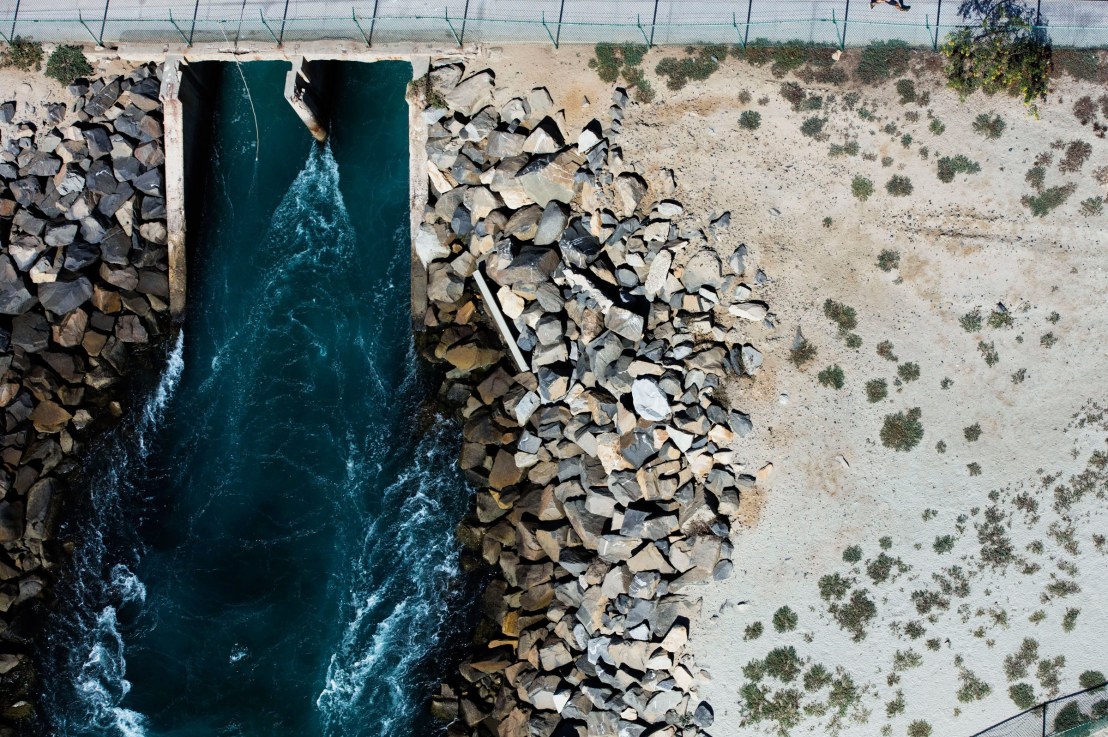
Desalination is one of the lifelines for many water-poor countries, whether it be in the Middle-East, South Asia, or Western North America. However, during the process of creating more drinkable water, a portion of brine is also created as a byproduct. One of the most pressing challenges for policy-makers, scientists, and engineers is to find out what to do with this Brine from Desalination.

Image credit media.wired.com

Cooling Tower Water Treatment

Cooling Tower Water Treatment

Cooling Tower Water Treatment

06/15/19

“Why do we need to treat cooling tower water over time?”

Cooling towers are one of the lifelines to our civilization. It enables hydro-thermal systems to control their operation temperature and return to normal processes. However, if left unchecked overtime the water will become contaminated with bacteria which could impede the flow of water. For this reason, cooling towers need to undergo periodic water treatment. With Cooling Tower Water Treatment we can ensure the safety of our critical infrastructure.

Image credit
upload.wikimedia.orgImage credit

Water Treatment

Water Treatment

Water Treatment

06/14/19

“How can we make water safe to drink?”

Water is one of the most important resources for humans. However, before it can be drunk, it must be treated to ensure quality. Through a multitude of processes, Water Treatment can ensure the safety of drinking water.

Image credit http://www.solvay.comImage credit

Laser Interferometers

Laser Interferometers

Laser Interferometers

06/14/19

“How do Laser Interferometers work?”

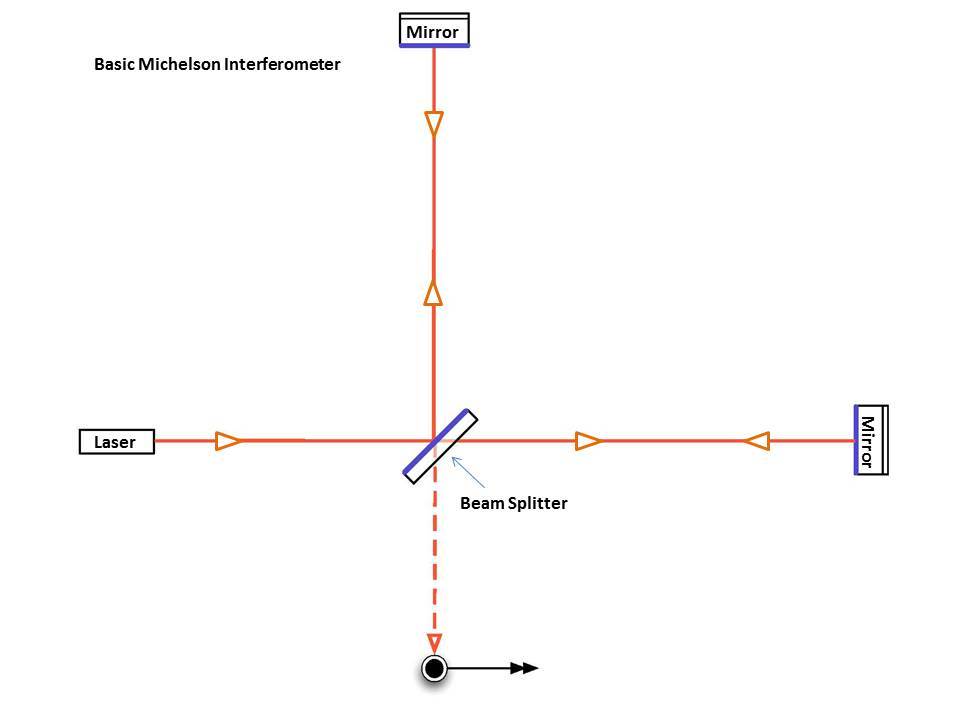
Laser Interferometers work as follows: A coherent laser beam will be emitted from a source. The beam will then hit a mirror at an angle to its wave of propagation, causing it to split into parts parallel and perpendicular to the original travel. These will be reflected by mirrors, and will head back to the original mirror where they will combine and interfere. This new wave will travel to a detector, where the interference pattern will be picked up and can be analyzed to measure small displacements.

Image credit
http://www.ligo.caltech.eduImage credit