Month: January 2018

Fuel Economy

Fuel Economy

Fuel Economy

01/22/17

“How can we measure a car’s fuel efficiency?”


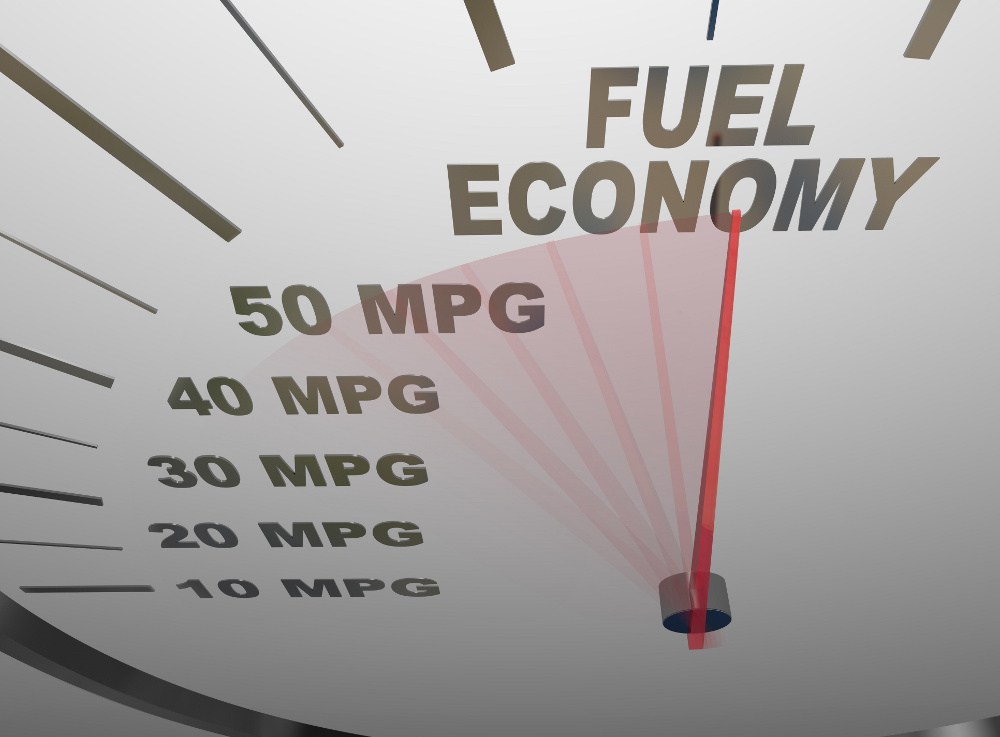
Cars are some of the most ubiquitous machines in the world. However, most of them are also powered by liquid petroleum, and since there is a myriad of different models they all consume this material at a different rate. So how can we create a measure of this efficiency? Well, if we use our engineering mindsets, then we will realize that we can standardize everything by seeing how much fuel is consumed per unit of distance, therefore creating something known as Fuel Economy. Fuel economy is affected by multiple factors, including onboard appliances, environmental conditions, and engine design. The better the fuel economy, the more sustainable the vehicle is.

R-Values (Construction)

R-Values (Construction)

R-Values (Construction)

01/21/18

“How can we measure a building material’s resistance to heat flow?”


One of a building’s primary functions is to insulate people from the outside world. And just as different materials are made of different atoms, different building materials are more efficient at producing insulation. So how can we quantify this? Well, let’s start by testing each material and assigning it a particular value. Engineers have done this and came up with the concept of the R-value. If you take a material of R-value x and one of R-value y and place one in front of the other then you will obtain a material with an R-value x + y. R-values are one of the fundamental components of modern-day construction

Model Predictive Control for HVAC

Model Predictive Control for HVAC

Model Predictive Control for HVAC

01/20/18

“How can we implement Model Predictive Control for HVAC?”


Model Predictive Control has been applied to all sorts of situations, whether it be self-driving cars or autonomous building systems. So logically, something such as HVAC systems is another area of interest. Model Predictive Control for HVAC takes in parameters of such as heat and humidity and combines it with theoretical principles to have powerful predictive capabilities.

Battery Powered HVAC for Trucks

Battery Powered HVAC for Trucks

Battery Powered HVAC for Trucks

01/19/18

“How can we increase a vehicle’s fuel efficiency with smart HVAC usage?”


In the trucking industry, gas mileage is very important. The less money a fleet manager needs to spend on gas, the more profitable their company will be. However, the human driver also needs to be kept comfortable while at work, which often entails an HVAC system. And if this HVAC system is used, then more gas will be used, meaning the gas mileage will decrease. So how can we use our engineering mindset to solve this problem? Well, we know that what our climate control system really needs is energy. And we know that we can supply energy to appliances using batteries. So what if we were to simply make a Battery Powered HVAC for Trucks? Well, this idea is actually something that is implemented into everyday trucks, due to increases in energy efficiency!

Solid Fuels

Solid Fuels

Solid Fuels

01/18/17

“Can fuel exist in a solid form?”


When we think of fuel, we often think of the liquid petroleum that exists within our car. However, not all fuel has to be in a fluid form. In fact, there is such a thing as solid fuels to create heat and power. Many of these solid fuels are very well known such as coal, plant biomass, charcoal, wood, and even municipal waste!

Evaporator Coils

Evaporator Coils

Evaporator Coils

01/17/17

“How can we remove heat from an area?”


HVAC systems are used to cool down rooms. However, how exactly do they do the cooling part? Well, if you were to move a cold fluid through a warm area, then heat would be transferred from the air to the working fluid. As a result, we can construct something called an evaporator coil, which moves the cooled refrigerant to be exposed to the surroundings.

HVAC Wind Turbines

HVAC Wind Turbines

HVAC Wind Turbines

01/16/17

“How can we use waste energy from an air compressor to power an HVAC system?”


Air compressors can generate a lot of waste steam when they are being used. However, if we use our engineering mindsets and think about the science of cogeneration, then we know that waste heat doesn’t have to be wasted. In fact, we if we install a wind turbine by a compressor, we can actually create energy from this process to power HVAC systems. This is known as an HVAC Wind Turbine and is a brilliant demonstration of engineering capabilities.

Biasing in Diodes

Biasing in Diodes

Biasing in Diodes

01/15/18

“What is it called when current can flow through a diode?”


Diodes are able to force current to flow in one direction. If current flows in a direction that the diode is not in polarity with, then the diode will block it. That being said, if the current flows in a way that the diode allows, then the diode is said to be forward biased. If the current is being blocked, then the diode is said to be in reverse bias. 

Energy Storage in Buildings

Energy Storage in Buildings

Energy Storage in Buildings

01/14/18

“Is there a problem with renewable energy and buildings?”


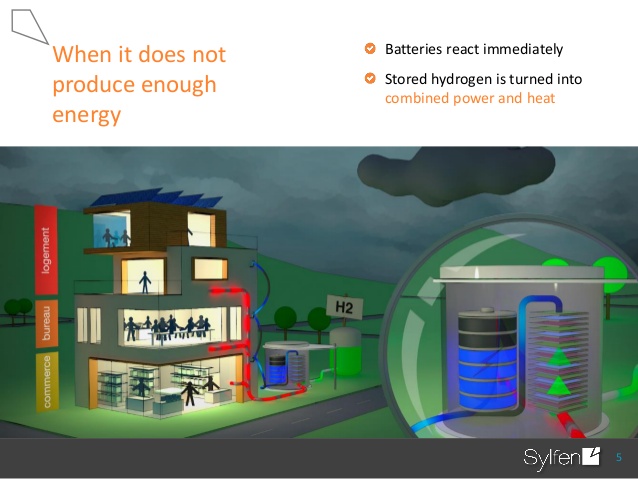
Renewable energy has large implications for building energy use. However, one of the major problems is that it had difficulty being integrated into the grid systems, as all of the energy comes in as an active form. Therefore, we must consider how to integrate energy storage in buildings, whether it be through batteries or other devices.