Tag: Thermodynamics

Microgeneration

Microgeneration

Microgeneration

07/22/17

“Can everyday people generate their own energy?”
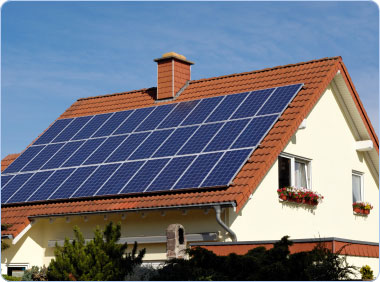
When people talk about generating electricity, they usually mean things like giant power plants or solar panel arrays. However, electricity generation does not need to be that large. In fact, it can be done in your very own home! This activity is called microgeneration, and can be accomplished through a variety of means, whether it be by installing solar PV or through recycling waste heat
Homogeneous and heterogeneous systems

Homogeneous and heterogeneous systems

Homogeneous and heterogeneous systems

07/21/17

“How do we classify thermodynamic systems?”


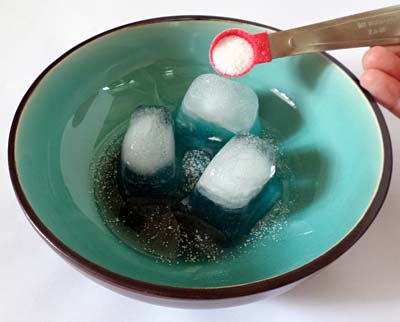
Engineering thermodynamics looks at heat, energy, and matter from a macroscopic, or non-atomic perspective. Because of this, objects and materials such as air appear to be uniform in composition. As a result, systems such as these are classified as homogeneous systems. Homogeneous systems stand in direct contract with heterogeneous systems such as a human body (which is composed of many different macroscopic layers). When working out thermodynamics problems, it is extremely important to know if your system is homogeneous or heterogeneous.

Fan heaters

Fan heaters

Fan heaters

07/20/17

“How can we use a heating element to heat up a room?”


During winter time we often need to heat up space. But making a fully built HVAC system can take a lot of time to warm a space. So what could we do to modify this? Well, let’s think of it from a systems perspective. We know that a heating element can be used to heat up a surrounding medium. And we know that fans can transfer one medium to another. So what if we were to combine both to take heat up and transfer air? This setup is known as a fan heater and is quicker but more expensive (due to the higher cost of electricity) than gas heaters.

Heating element

Heating element

Heating element

07/19/17

“How can we convert electricity into heat using a machine?”


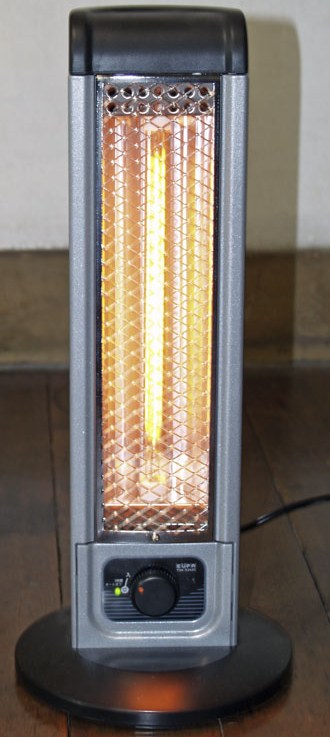
When designing heating systems, we often need a quick, efficient, and non-pollutive way to generate heat. So how can we use our engineering mindset to accomplish this? Well, let’s first think back to our scientific knowledge. We know that we can make heat from electricity by passing it through a resistive element. So what if we were to implement this in a mechanical system using real life technology? Well, this type of object is known as a heating element and is used for thermal appliances such as radiative heaters.

Radiative heaters

Radiative heaters

Radiative heaters

07/17/17

“How can we make heaters that do not require a surrounding medium?”


Heating is a common need everywhere. However, sometimes our surrounding medium might not be a good heat conductor or we may not have a medium at all! So how can we make a  heater which is not affected by the surrounding environment? Well, let’s think back to basic physics. We know that infrared is a form of light, and light is able to pass through anything. So what if we were to take some metallic wires, wire them around an element, and then apply electricity to heat the element to emit infrared? Well, it turns out that this invention is a little device known as an infrared heater. Infrared heaters are classified by the wavelengths they emit (ranging from 760 nm down to a minuscule 1 nm!) and are used everywhere from cooking kebab to warming outer space missions.

Convection heating

Convection heating

Convection heating

07/11/17

“How can we heat spaces using gas?”
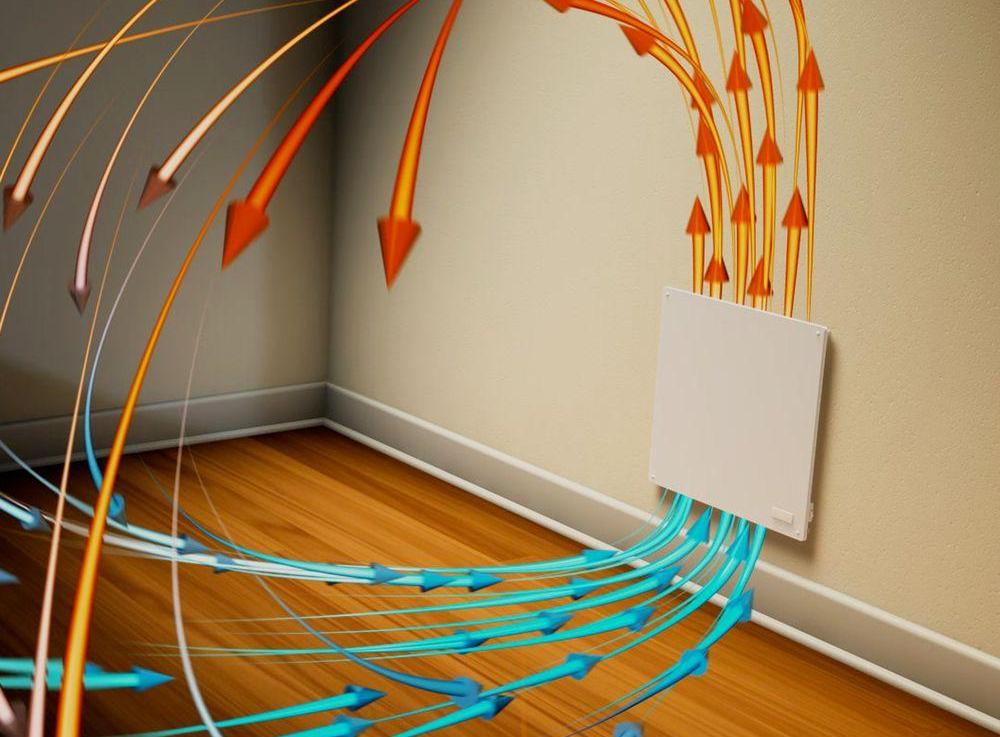
With space heating, we can keep our buildings at a warm temperature no matter the weather outside. However, what is one way that we can implement this? Well, let’s use our engineering mindset to find out. We know that processes in nature can raise their temperature using convection. So why don’t we just imitate this and use convection heating? To do this, let’s take some air, and channel it across a heating element to warm it up, and then mix it into a local space. This method is widely used across buildings worldwide.

Space heating

Space heating

Space heating

07/10/17

“How can we keep spaces in buildings warm?”


Buildings are the most common form of shelter for humans. They can provide simple comfort, warmth, and protection from the exterior world. However, they are subject to variations which make them less habitable, such as unwanted changes in temperature. So how could we use our engineering mindset to solve this problem? Well, we know that most of the heat in buildings is caused by the gaseous atmosphere inside it. So what if we were to pump a gas with a higher temperature into the living space? Well, this is the fundamental idea behind space he ing, and is used everyday by people all over the world

Recuperators

Recuperators

Recuperators

06/29/17

“How can we optimize a combustion chamber?”


In engineering, we often use combustion to power a system. However, if we have to use cold air, then we will need significantly more fuel to operate our system. So how could we make a device that would automatically heat up the air for our needs? Well, let’s think about it. First, let’s have a tube where the air flows in. Then, let’s compress this air using a compressor. Afterward, let’s force this compresses air into a heat exchanger where it will be warmed up by some waste heat. Then, let’s take this heated air, have it flow through a turbine for power, and run it through the exhaust pipe to heat up the incoming air and complete the cycle. This system is known as a recuperator and is used in all sorts of systems from ventilation systems to energy transfer processes.

Stirling engines

Stirling engines

Stirling engines

06/10/17

“What is the alternative to the internal combustion engine?”


Internal combustion engines are infamous for their loud and emissive nature. However, would it be possible to have a different type of engine that fixes most of the problems of ICEs? Well, let’s think about with our scientific mindset. First, let’s take two pistons and enclose them on two sides of a chamber. Then, let’s heat up one side of the chamber. This extra heat will cause the volume to expand against the first piston, doing work, cooling the gas, and pulling the second piston up. Eventually, it will expand so much that the first cylinder will be able to compress it, shoving the cooled gas into the second piston’s chamber. Soon enough, the second piston will reach its threshold and the direction will be able to reverse. This engine is known as a Stirling engine and can reach efficiencies of up to 50% while remaining quiet, making them an ideal candidate for use in high specialty applications.