“How can we increase the humidity of a building using machinery?”
When humans are immersed in overly dry environments for too long, they may develop health issues such as dry mucus. However, given that we are in the modern technological age, we can stop this issue if only we apply our engineering mindsets. The fruit of such an effort is a contraption known as a humidifier, which adds moisture to the atmosphere to create a more habitable environment.
Benefits and Drawbacks of Displacement Ventilation
11/09/17
“What are the benefits and drawbacks of displacement ventilation?”
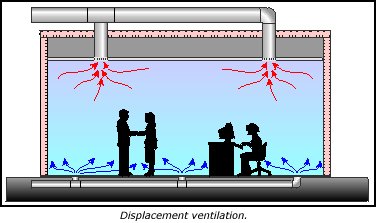
Displacement ventilation is a technology with quite a bit of potential behind it. These systems typically provide better indoor air quality through natural ventilation. This also saves large amounts of energy and gives it lower airflow rates for the same or better quality. The lacks of mechanical parts improve acoustics which lowers pressure losses through diffusers. Unfortunately, the novelty of these systems means that they are usually not well known by contractors. Their specialized geometry requires coordination of building features and diffuser locations, require larger quantities of air where cooling loads are needed, and the ceiling based filtering systems also means that higher ceilings will be needed.
“How can we make an air ventilation systems that relies upon pulling natural air?”
Air ventilation systems typically rely upon controlling artificial air to supply co into a surrounding environment. However, this can consume a large amount of energy and can make a large amount of noise. So how can we use our engineering mindsets to fix this problem? Well, we know that at all times buildings will have clean air surrounding it. And if we could get some of this into our building, then it would make the internal environment much nicer. So what if we were to use diffusers near the floor of an edifice to siphon outside air at low velocities into the interior, and then let the waste heat rise and recycle it into the exterior? Well, this is the fundamental concept behind displacement ventilation. Displacement ventilation is quite popular in Scandinavian countries.
“How can we use nature to make an efficient AC system?”
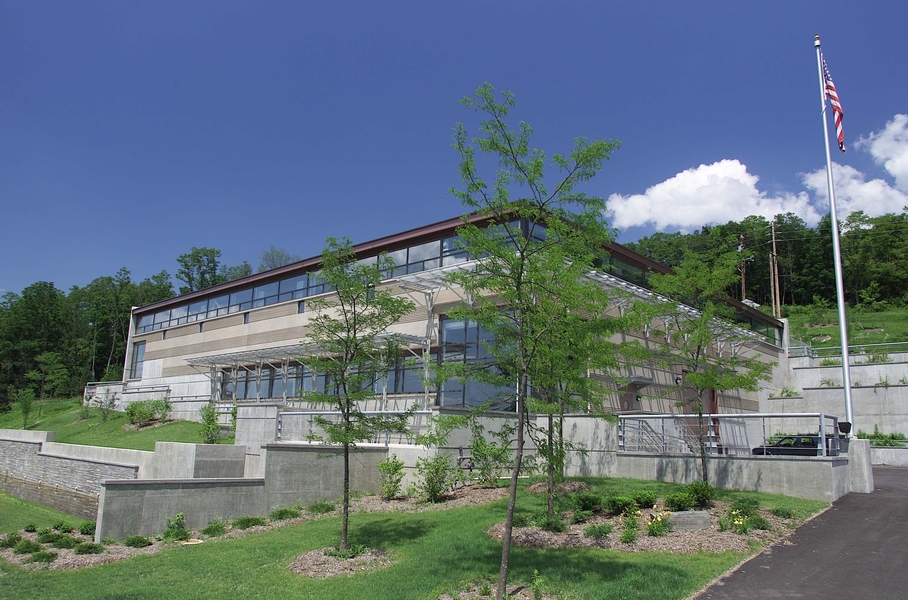
Many HVAC systems work by using chilled water to control the built environment. However, chilling this water can expend a massive amount of energy, as can providing a reliable heat sink. So how can we use our engineering mindset to make this system more efficient? Well, if we were to take our water from a source that is already chilled and use it as a heat sink, we will be able to have massive energy savings. One source of very cold water comes from deep water areas, such as lakes and oceans. So what if were to simply use this chilled water for our system? Well, this is known as deep water source cooling and is a most innovative way to solve the heat-energy problem. An example of these systems in action is Cornell University’s Lake Source Cooling project in Ithaca, New York.
“How do we evaluate buildings after they have been built and used?”
Modern Buildings are designed to function in a certain way. However, after they have been built, unforeseen factors can disrupt things and cause inefficiencies. So how can we evaluate buildings in an effective and rigorous manner after they have been constructed? Well, after many years of research, building professionals in both the U.S and Scotland have developed something called a Post-Occupancy Evaluation, which involves authorized individuals to arrive onsite an perform audits. Once an evaluation has been done, further action can be commenced to bring the unit to full operation
“What exactly specifies what is the proper working conditions for buildings?”
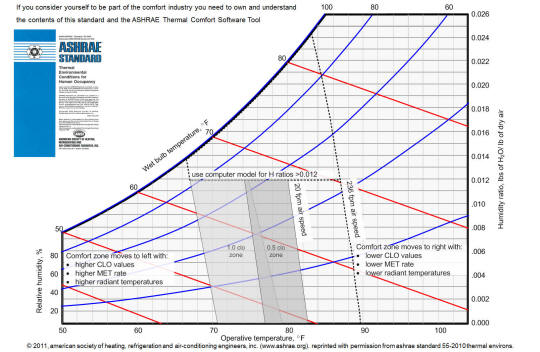
Proper working conditions are vital to the operation of the modern world. And one of these conditions includes thermal comfort, which consists of temperature, thermal radiation, humidity, and airspeed. And because buildings are constructed in all sorts of operating environments, we must need some form of standard that stipulates what are the proper indoor conditions. Well, after much debate, the good engineers of the American Society of Heating, Refrigerating and Air-Conditioning Engineers have developed a protocol known as ASHRAE Standard 55, which takes in the operative temperature, wet bulb temperature, humidity ratio, and relative humidity to create a thermal comfort zone. You can see a demonstration of this in action at http://comfort.cbe.berkeley.edu/, provided by the Center for the Built Environment at the University of California, Berkeley
“How can we implement powerful yet controllable motors for industrial processes?”
Industrial motors are marvelous for being able to coordinate highly intricate processes in an efficient manner. However, sometimes we may need to adjust the speed on these machines using traditional models. So how can we use our knowledge of industrial control systems and our engineering mindset to achieve this? Well, let’s get down to the basics. We know that controllers can be used to provide feedback to electric devices, such as motors. So what if we were to simply implement a controller based motor into industrial processes? Well, this is the fundamental idea behind variable speed drives, which are commonly used as energy savers in pump and fan appliances.
“How can we improve on a process based on feedback?”
Processes are vital to modern engineering practice, whether it be in producing energy from municipal waste or in managing an industrial facility. However, sometimes we might encounter that there are some unaccounted inefficiencies within runtime. So how can we use our engineering mindset to solve this problem? Well, what if we were to simply include sensors to analyze these discrepancies, and then use feedback to modify our process until it runs completely smoothly? Well, this is the idea behind process control and is a must-have for modern-day industrial systems.
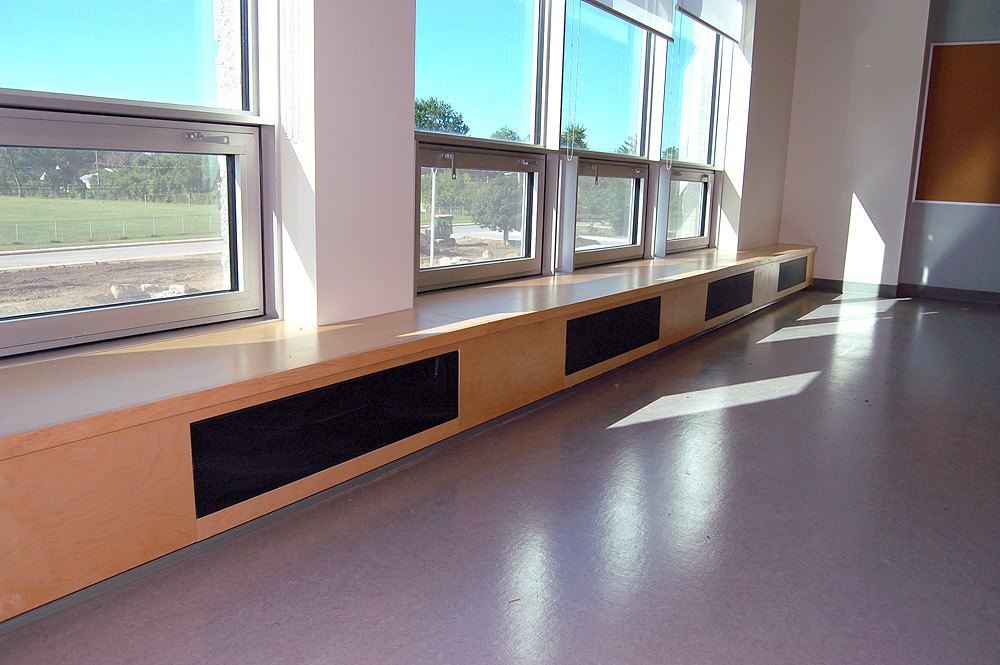
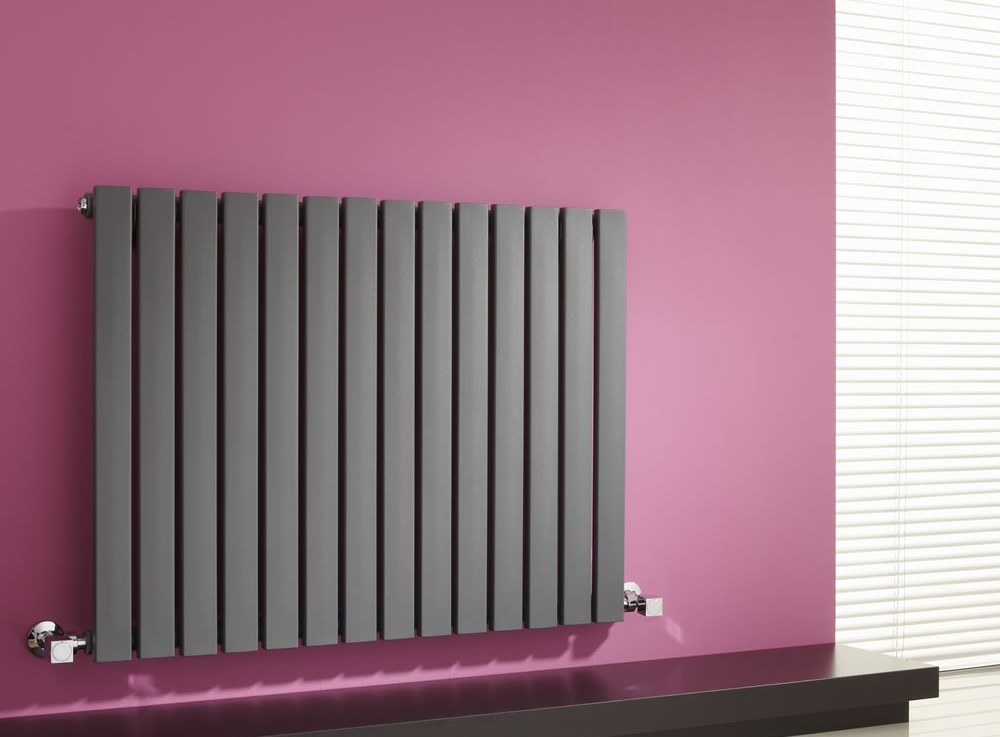
Radiative heating has a plethora of energy and ergonomic benefits. However, how can we put this idea into practice? Well, we know that we can use heat exchangers to transfer heat from one medium to another. So what if we were to simply build a specialized model to transfer heat to the surrounding atmosphere? Well, this mechanism is known as a radiator and has become one of the most common HVAC appliances in the world.




 Isaac's Science Blog