How Climate Change will Make Renewable Energy Adoption in the Caribbean More Difficult
04/28/18
“How will Climate Change make renewable energy adoption in the Caribbean More Difficult?”
Caribbean Nations are doing their part to combat Climate Change by adopting renewable energy. However, this will become more difficult as global temperatures rise, since the increased frequency of rainfalls and hurricanes make installations more difficult. But by adopting climate change adapted technology such as hurricane-resistant wind turbines, the Caribbean will be able to build itself into sustainability.
A New Design for Hurricane Resistant Wind Turbines
04/27/18
“How can we make turbines dedicated to withstanding hurricanes?”
Although offshore wind turbines can generate much greater amounts of energy than normal during hurricanes, the storm conditions can be disastrous to their structural integrity. This has prompted researchers from the University of Virginia, University of Illinois, University of Colorado, Colorado School of Mines, National Renewable Energy Laboratory (NREL), and Sandia National Laboratories to come up with a new design. Taking design inspiration from palm trees, the so-called Segmented Ultralight Morphing Rotor Wind Turbine used downward facing blades that can move flexibly with the advent of strong winds. These blades are also made out of lighter material and the turbines have a simpler construction, allowing for easier assembly. Testing on these units will begin in the U.S State of Colorado this Summer, hopefully with exciting results.
How Climate Change Will Affect Renewable Energy Adoption in the Caribbean
04/26/18
“How will the Caribbean renewable energy adopters react to climate change?”
Climate change is affecting the world everywhere, but the Caribbean might be one of the most impacted. Their scattered geography makes them reliant on oil imports for energy, only further exacerbated by their aged grid systems in drastic need of repair. Climate change threatens to destroy the livelihood of these nations with worsening rainstorms and hurricanes, as seen in Puerto Rico. Caribbean policymakers are taking proactive measures to prevent further catastrophes by installing distributed renewable energy to increase their nation’s climate resiliency.
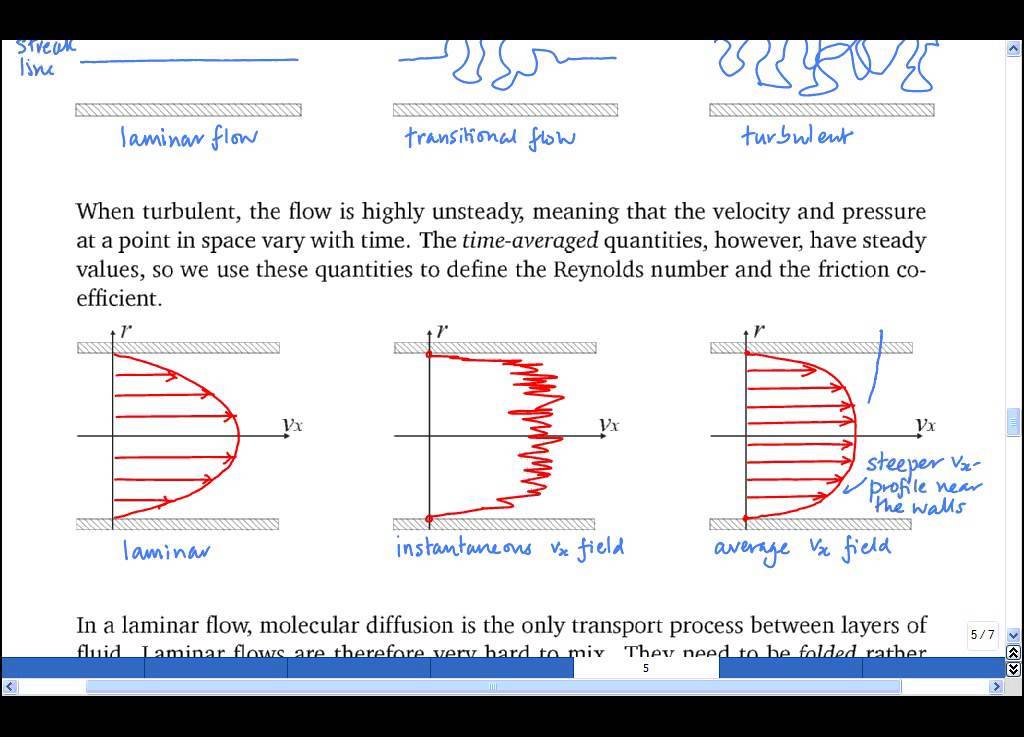
“What happens when a fluid flow neither turbulent nor laminar?”
Fluids are usually thought of having either turbulent or laminar flow. However, it is possible to exhibit both characteristics, making it in the Mixed Turbulent Laminar Flow. This usually happens when a fluid enters a plate and has a Reynolds Number between 5*10^6 and 1*10^7.
How the Increasing Size of Offshore Wind Turbines is Affecting their Assemblage
04/23/18
“Why is it when offshore wind turbines get larger they have to be split up into more components?”
Offshore wind turbines are the future of wind energy. Their ability to be built larger and capture greater winds makes their traditional counterparts look feeble in comparison. However, with this increased size comes increased complexity, which extends to its assemblage. Engineers now have to make new procedures to move around these heavier parts or split them up into multiple components to comply with maximum weight regulations. As such, the increasing size of offshore wind turbines is affecting their assemblage
When we think of Nuclear Engineering, we probably think about these big massive infrastructure projects. However, is it possible to make smaller versions? Well, thanks to continual investments in research by scientists and engineers, smaller reactors that can be built in a plant and assembled on site known as Small Modular Reactors, which have increased containment efficiency and heightened nuclear security.
“How can we build products so that they work as a general function?”
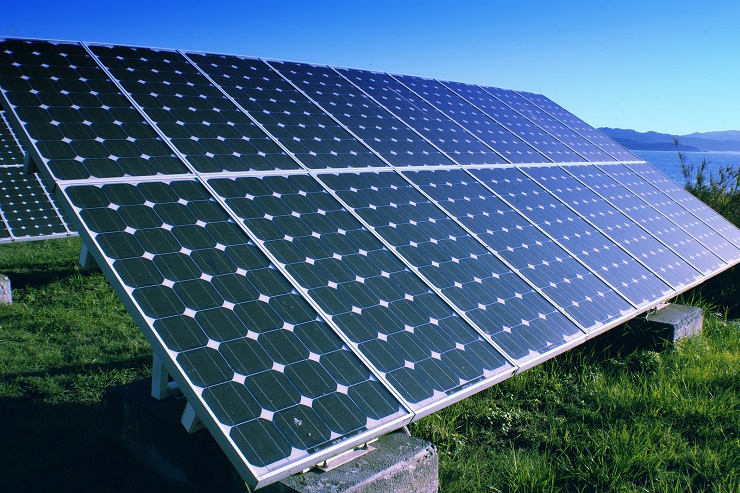
In the past, most products were built to a user’s specifications. However, many are now built with general guidelines and then sold to a company. These are known as turnkey projects and are prominent in the solar industry.
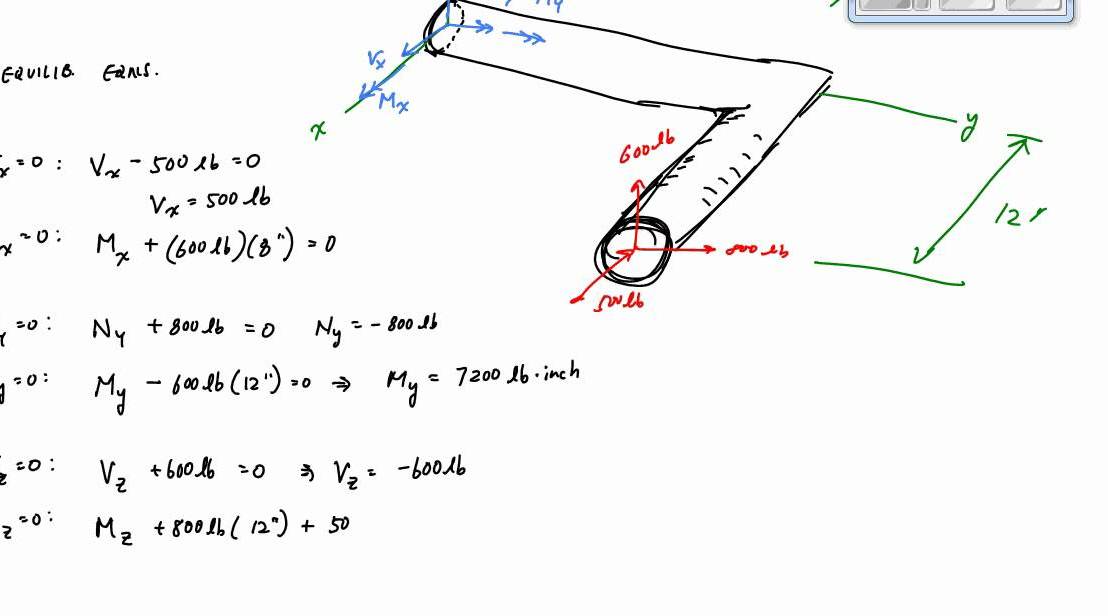
“What happens when an object experiences multiple types of loading simultaneously?”
Objects are subjected to loading all the time, whether it be torsion or bending. However, sometimes objects have to experience both at the same time. So what can we do to analyze these cases? Well, Engineers have developed a technique known as combined loading which takes into account both factors and produces a more accurate output.
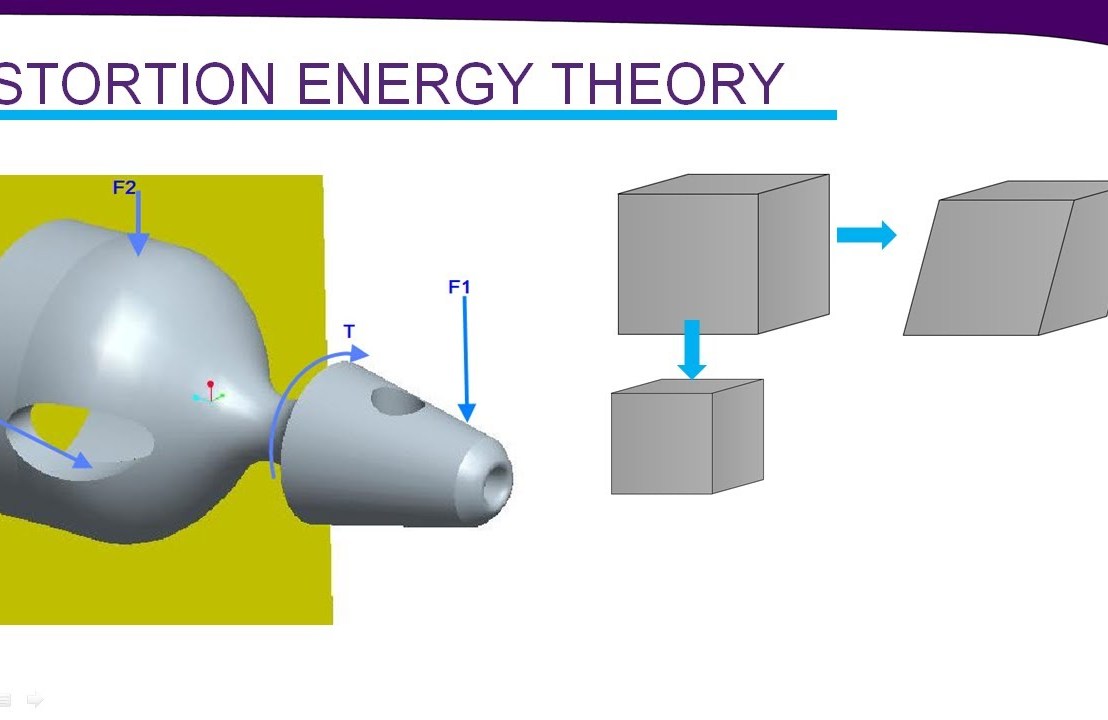
“What is the measure of energy in a strained material?”
When springs are stretched, potential energy is added into their bodies. A similar phenomenon happens when one stretches a solid object. Inside their body will be a value known as distortion energy and is the basis for evaluating the von Mises yield criterion.





 Isaac's Science Blog