Tag: Adaptation

The Ratio of Fresh Surface Water to Ocean Surface Water and Why it Matters

The Ratio of Fresh Surface Water to Ocean Surface Water and Why it Matters

The Ratio of Fresh Surface Water to Ocean Surface Water and Why it Matters

06/27/19

“Why does it matter that there is over thirty-two times as much water in the ocean than lakes?”

Water is foundational to biological life. 97% of surface water is located in the ocean while the rest are in lakes and other freshwater sources. Since humans are using freshwater at unsustainable rates and ocean water has extra salinity, people will have to think more about conserving water and expanding desalinization

The Northeast Blackout of 2003

The Northeast Blackout of 2003

The Northeast Blackout of 2003

06/01/19

“How did the worst blackout of the Northeastern United States unfold?”

On August 14th, 2003, a power line in Ohio under the dominion of the utility First Energy’s control struck a tree and faulted, causing power to redistribute throughout the rest of the network. The alarm system used by the company had a bug and did not not alert the authorities. This caused other lines to sag out and fault with trees, creating a cascading power failure by around 4:05 pm Eastern US time. This spread throughout the rest of the Northeastern grid, causing 50 million people in the U.S and Canada to lose power for up to two days. Not only did this result in 11 deaths and approximately 6 billion USD in damage. The Northeast Blackout of 2003 was one of the costliest to date and resulted in the U.S setting much stricter standards for reliability and maintenance of power lines.

Image credit cdn.newsday.com

Infrastructure System Interdependence

Infrastructure System Interdependence

Infrastructure System Interdependence

05/29/19

“How do multiple infrastructure systems affect one another?”

Critical Infrastructure Systems are woven into the fabric of our everyday life. Whether it be the electricity we use to power our computers or the water pumps that we drink from, there is some resource behind it. And in the modern world, all of these systems seem to be interconnected, such as electricity for water-pumps or water for agriculture. As a consequence, if one of these systems go haywire then there will be consequences across all infrastructure systems. This coupling is known as Infrastructure System Interdependence and is used by policy-makers and engineers to analyze resilience risk.

How Better Fault Documentation Will Improve Climate Change Resilience

How Better Fault Documentation Will Improve Climate Change Resilience

How Better Fault Documentation Will Improve Climate Change Resilience

05/28/19

“How can simply documenting failures lead to better resilience?”

With the global increase in temperatures there will be an increase in infrastructure faults. As a result, we will need to learn from these mistakes to make sure we can survive the next blow. By having better documentation of these mistakes, we will be able to make better improvements, therefore improving resilience. This is How Better Fault Documentation Will Improve Climate Change Resilience.

Resilience Centers

Resilience Centers

Resilience Centers

05/18/19

“How can communities build centralized locations to protect against electricity blackouts?”

As the climate becomes more erratic, so will the natural disasters that follow it, whether it be wildfires or hurricanes. As a result, communities will have to take measures to adapt to these new problems. One way to accomplish this is to set up Resilience Centers where generators can be brought in to operate essential services. The utility Pacific Gas and Electric in Northern California is looking at this method to increase resiliency against wildfires.

Why Undergrounding Power Lines Makes Them More Vulnerable to Flood Damage

Why Undergrounding Power Lines Makes Them More Vulnerable to Flood Damage

Why Undergrounding Power Lines Makes Them More Vulnerable to Flood Damage

04/12/19

“Why is undergrounding power lines not recommended for flood-prone areas?”

Undergrounding power lines is a recommended course of action to build resilience against forest fires, storms, and heavy winds. However, this also makes them more prone to flood damage, as they will become submerged in water in the event of one. This is Why Undergrounding Transmission Lines Makes Them More Vulnerable to Flood Damage.

Why Microgrids Would Be Great for Flood Resilience

Why Microgrids Would Be Great for Flood Resilience

Why Microgrids Would Be Great for Flood Resilience

04/07/19

“Why would microgrids be helpful to protect against floods?”

With the advent of climate change, ocean levels are rising and storms are becoming more powerful. This will make floods occur more frequently, causing continued devastation to critical infrastructure such as the grid. In order to continue to live in this new world, communities will need to adapt their infrastructure around this new reality. One way to accomplish this is to implement microgrids. When the main power system shuts down, batteries and distributed energy resources can ensure that electricity stays running. This is Why Microgrids Would Be Great for Flood Resilience.

How LiDAR Can Be Used for Risk Assessment of Plant Overgrowth near Power lines

How LiDAR Can Be Used for Risk Assessment of Plant Overgrowth near Power lines

How LiDAR Can Be Used for Risk Assessment of Plant Overgrowth near Power lines

04/04/19

“How can we use LiDAR to prevent utility line failure from plant overgrowth?”

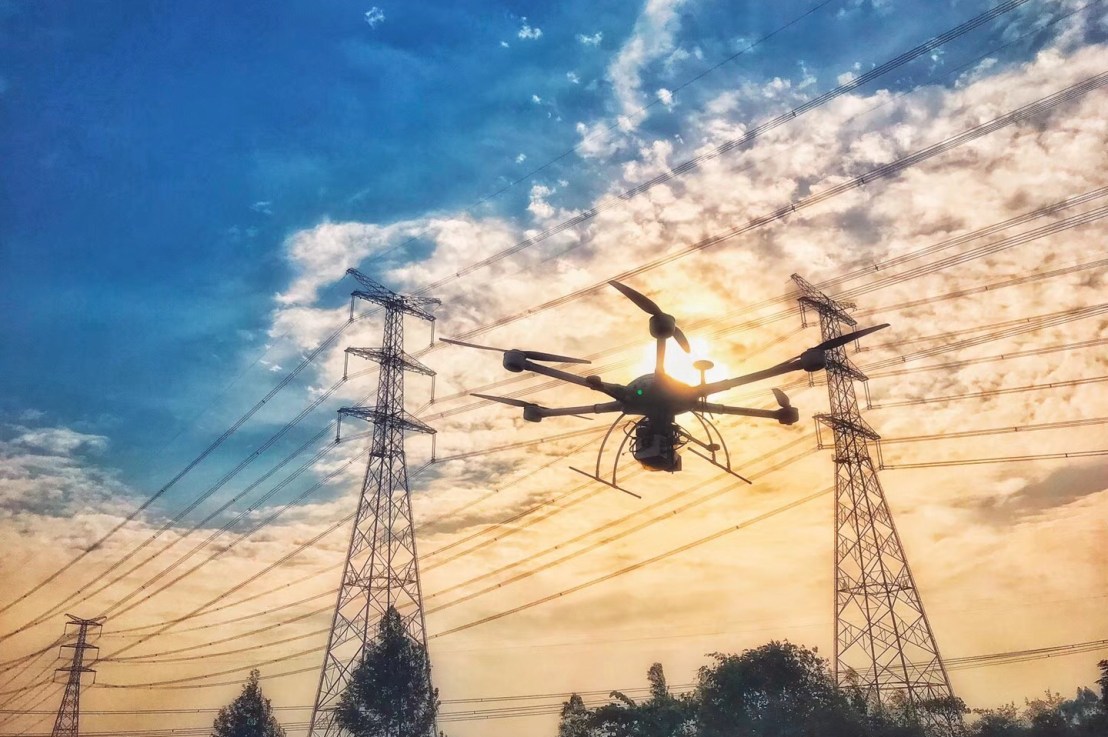
When there is too much foliage near a power line, the potential for fire can vastly increase. This means that utility companies will need to continuously monitor their transmission assets to build resilience. This can be extremely expensive to carry out and may not be within the reach of many company’s portfolios. However, what if we could use newer technology to solve this problem? Well, LiDAR has the ability to measure distances between objects and record them into real-time data. And we also know that drones can be used for autonomous scouting operations for a low financial overhead. So what if we were to hook up LiDAR to a drone and use it to monitor a transmission line trail? Well, this is How LiDAR Can Be Used for Risk Assessment of Plant Overgrowth near Power lines. Utilities in California should take note due to the dry conditions causing fertile conditions for forest fires and the close proximity of Silicon Valley.

Image credit greenvalleyintl.com

Should California Only Important Electricity Through HVDC Lines During the Rainy Season?

Should California Only Important Electricity Through HVDC Lines During the Rainy Season?

Should California Only Important Electricity Through HVDC Lines During the Rainy Season?

03/28/19

“Should California only import high voltage electricity from other states at certain times of the year?”

California has ambitious plans with renewable energy. Not only is it the leading market in the United States, but plans to completely decarbonize its energy grid by 2045! However, this may require importing wind energy from Wyoming and Hydropower from the Pacific Northwest. The most efficient way to do this is to use HVDC lines with low levels of resistive losses. However, with the advent of climate change, California is experiencing much more and longer periods of drought. This creates fertile conditions for fires, which can be easily triggered in the case of a power line fault. Given that HVDC lines are at such high voltages, a single slip from one can cause intensive damage. As a result, it might be wise for California to only import electricity during the rainy season. Doing this will increase resilience protection and help stabilize the grid during the less sunny winter days. Since wind and hydro resources are also more plentiful when it rains, it would be a great way for other states to offset their surpluses during this time. This might be unnecessary if advanced fault detection and diagnostic technologies are used, but only studies will be able to say for sure!