Category: Policy

How the Increased Frequency of Droughts Will Put Pressure on City Water Infrastructure

How the Increased Frequency of Droughts Will Put Pressure on City Water Infrastructure

How the Increased Frequency of Droughts Will Put Pressure on City Water Infrastructure

11/03/19

“How will the increased frequency of droughts add stress to a city’s water infrastructure?”


As the climate is changing, more and more cities around the world will have to deal with the effects of drought. This means that less water will be available for municipal services, placing a strain on infrastructure. This effect can already be seen in cities around the world, whether it be Cape Town’s Day Zero crisis or Chennai running out of water. This is How the Increased Frequency of Droughts Will Put Pressure on a City’s Water Infrastructure.

Examples of Inequitable Heat Resilience

Examples of Inequitable Heat Resilience

Examples of Inequitable Heat Resilience

11/01/19

“What are examples of inequitable heat resilience?”


The rising global temperatures are putting heat resilience more and more into focus. However, if not properly implemented, there could be grave consequences for the world. There are many potential illustrations of this. If an urban area decides to plant trees in an upper-income area using species that require high volumes of water, then it might drain it off from the river banks of poorer communities. If upper-income communities install large amounts of energy-intensive HVAC systems in a power-starved region such as Lebanon or India, then it could siphon off electricity from the rest of the grid and cause brownouts in surrounding areas, making the response to heatwaves only worse. And if housing in temperate coastal or mountain areas becomes too expensive, lower-income people will be pushed into hotter areas that could prove deadly in a heat-wave, as being seen in California right now. These are just a few out of many Examples of Inequitable Heat Resilience.


Image credit blogs.ei.columbia.edu

Why Urban Heat Resilience Needs to Be Equitable

Why Urban Heat Resilience Needs to Be Equitable

Why Urban Heat Resilience Needs to Be Equitable

10/31/19

“Why must equity take paramount importance when we design urban heat resilience?”


With the increase in average global temperatures and the densification of metropolitan centers, urban heat resilience will become a greater issue for the world. However, engineers and urban planners must keep in mind that the most vulnerable people in society, particularly seniors, young children, pregnant women, and people with disabilities and medical conditions will be the most susceptible to extreme heat. Resilience techniques that do not take these elements of society into account or ignore their needs will actively hurt them. For example, if all of the resources go to greening the wealthy districts of a city, then none will be left for people of lower-income areas. Since it is the duty of resilience professionals to ensure the safety of those most affected by climate change, it is only understandable Why Urban Heat Resilience Needs to Be Equitable.

Why Slow-Charging Electric Vehicle Stations Are a Good Assets for Residential Buildings

Why Slow-Charging Electric Vehicle Stations Are a Good Assets for Residential Buildings

Why Slow-Charging Electric Vehicle Stations Are Good Assets for Residential Buildings

10/30/19

“Why should communities consider placing slow-chargers in residential communities?”


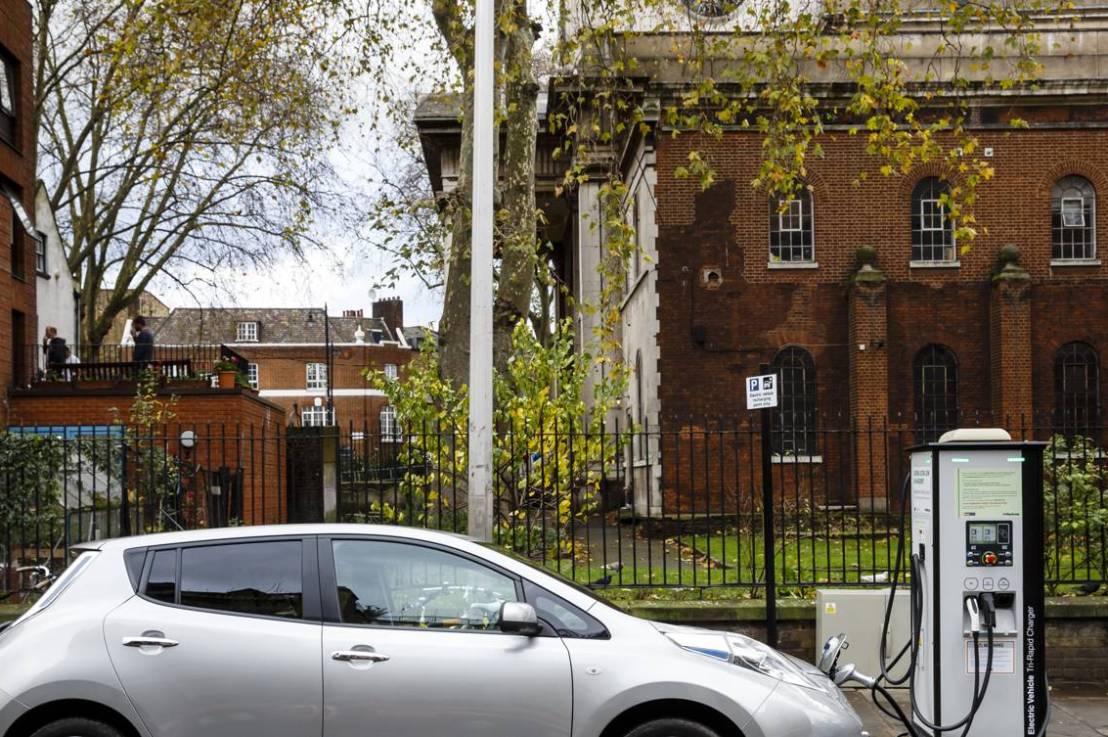
Municipal governments are on the forefront of electric vehicle charger buildout. Part of this will be determining how to economically and logistically implement them. One strategy can be to consider placing slow-chargers in residential areas since they are more affordable and EVs are meant to be parked there for a long time. This is Why Slow-Charging Electric Vehicle Stations Are Good Assets for Residential Buildings.


Image credit d32r1sh890xpii.cloudfront.net

How Landowners Can Make Money Through Electric Vehicle Charging Infrastructure

How Landowners Can Make Money Through Electric Vehicle Charging Infrastructure

How Landowners Can Make Money Through Electric Vehicle Charging Infrastructure

10/30/19

“How can landowners make money with electric vehicle charging?”


With the ever-increasing proliferation of electric vehicles, there needs to be more incentives for installing electric vehicle charging infrastructure. One such possibility can be for landowners to install electric vehicle chargers on their property and put a tax for everyone that refuels from them. Not only would this increase the EV infrastructure charging available but it would also allow for landowners to make a profit. This is How Landowners Can Make Money Through Electric Vehicle Charging Infrastructure.


Image credit https://media.wired.com

Why Requiring Electric Vehicle Chargers in Building Codes Might Be a Good Idea

Why Requiring Electric Vehicle Chargers in Building Codes Might Be a Good Idea

Why Requiring Electric Vehicle Chargers in Building Codes Might Be a Good Idea

10/29/19

“Why might requiring electric vehicle chargers in building codes be beneficial?”


With the ascent of electric vehicles, new charging infrastructure will need to be implemented to ensure demand can be met. One way to accelerate this will be to require electric vehicle chargers to be put in the building codes. Although it will add cost to building developers, society at large will be able to benefit from the extra availability of charging stations. This is Why Requiring Electric Vehicle Chargers in Building Codes Might Be a Good Idea.


Image credit https://wi-images.condecdn.net

How Marking up the Cost of Electricity at Charge Points Can Help Recover the Cost of Electric Vehicle Chargers

How Marking up the Cost of Electricity at Charge Points Can Help Recover the Cost of Electric Vehicle Chargers

How Marking up the Cost of Electricity at Chargep  Points Can Help Recover the Cost of Electric Vehicle Chargers

10/29/19

“How can charging more to charge an electric vehicle can offset the cost of installing its supporting infrastructure?”


Electric vehicle chargers can be quite expensive to install. However, this can be offset by charging more for electricity at the charging station. Although this decision would probably not sit well with customers, it is How Marking up the Cost of Electricity at Chargep  Points Can Help Recover the Cost of Electric Vehicle Chargers.


Image credit assets.greentechmedia.com

How Small Businesses Can Help with the Proliferation of Electric Vehicle Charging Stations

How Small Businesses Can Help with the Proliferation of Electric Vehicle Charging Stations

How Small Businesses Can Help with the Proliferation of Electric Vehicle Charging Stations

10/28/19

“How can small businesses accelerate the growth of electric vehicle infrastructure?”


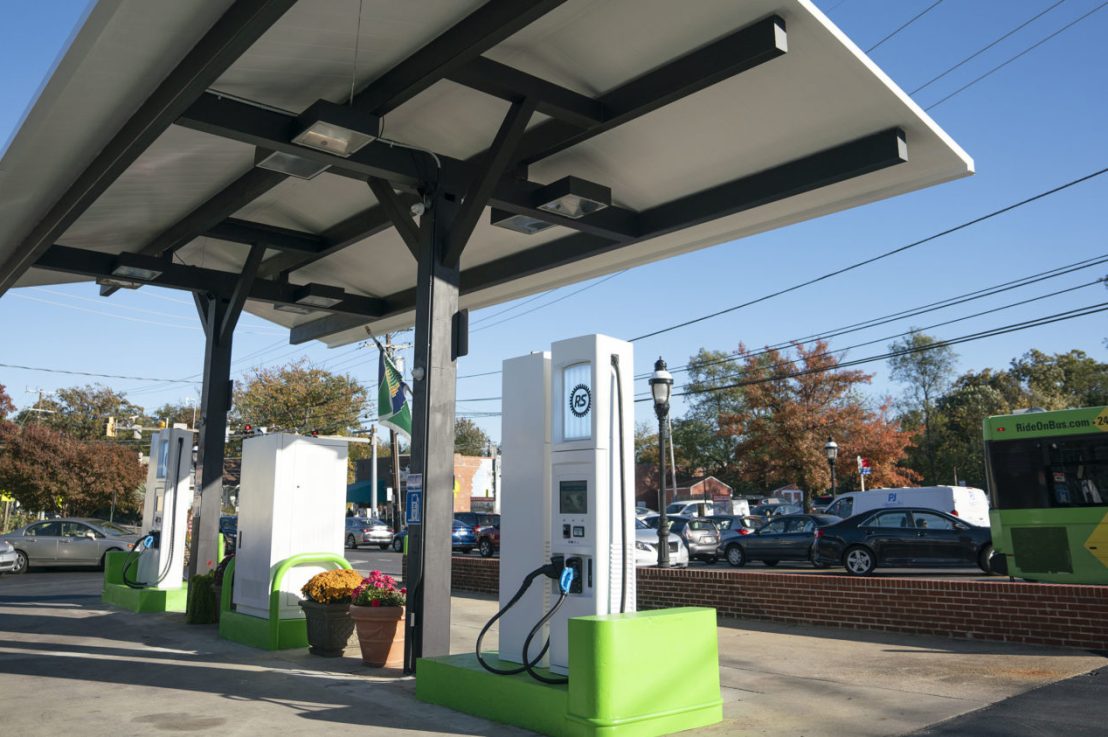
Governments all over the world are interested in improving the quality of life of their citizens, whether it be making their cities cleaner and more sustainable or generating new economic opportunities. Both of these can be accomplished simultaneously by leveraging public-private partnerships in an intelligent manner. Consumers with electric vehicles will feel more welcomed and may even spend a longer time to wait while their vehicle is being charged. By incentivizing small businesses to invest in electric charging infrastructure, not only can a municipality do its part to fight climate change but create new economic pathways for its citizens. This is How Small Businesses Can Help with the Proliferation of Electric Vehicle Charging Stations.


Image credit wamu.org

How Public-Private Partnerships Can Help with the Proliferation of Electric Vehicle Chargers

How Public-Private Partnerships Can Help with the Proliferation of Electric Vehicle Chargers

How Public-Private Partnerships Can Help with the Proliferation of Electric Vehicle Chargers

10/28/19

“How can private industry be leveraged to help with public electric vehicle charging infrastructure?”


Governments are often responsible for building public electric vehicle charging infrastructure. However, sometimes the cost can be too much for an individual entity to bear. For this reason, it may be more efficient to create a public-private partnership to have a separate entity be apart of the implementation. This is How Public-Private Partnerships Can Help with the Proliferation of Electric Vehicle Chargers.


Image credit media4.manhattan-institute.org