Author: Isaac Gendler

How More Extreme Coldwaves will Harm Transportation Infrastructure

How More Extreme Coldwaves will Harm Transportation Infrastructure

How More Extreme Coldwaves will Harm Transportation Infrastructure

10/25/18

“How will Transportation Infrastructure be harmed by more extreme coldwaves?”


Transportation infrastructure will definitely be impacted by the changing weather. But climate change is doing much more than rising temperatures. More extreme coldwaves in certain parts of the earth are resulting from changing polar vortex. The behemoth damage brought onto transportation systems includes more delays in train/plane schedules, heavier icing of streets, and more stress on structures. This is How More Extreme Coldwaves will Harm Transportation Infrastructure.

 

How More Extreme Heatwaves will Harm Transportation Infrastructure

How More Extreme Heatwaves will Harm Transportation Infrastructure

How More Extreme Heatwaves will Harm Transportation Infrastructure

10/24/18

“How will transportation infrastructure be harmed by more extreme heat waves?”


With the ascent of more extreme temperatures, heatwaves will more frequent and more deadly. This will affect all sectors of critical infrastructure systems, transportation being one of them. With these new temperatures, railroads will buckle, cement will be deformed, and transit schedules will be vastly transformed. This is How More Extreme Heatwaves will Harm Transportation Infrastructure. 


Image credit https://www.ucsusa.org

Why The Grid Needs to be Repaired to Ensure Climate Change Resilience

Why The Grid Needs to be Repaired to Ensure Climate Change Resilience

Why The Grid Needs to be Repaired to Ensure Climate Change Resilience

10/23/18

“Why can’t we truly have a resilient grid until repairs are made?”


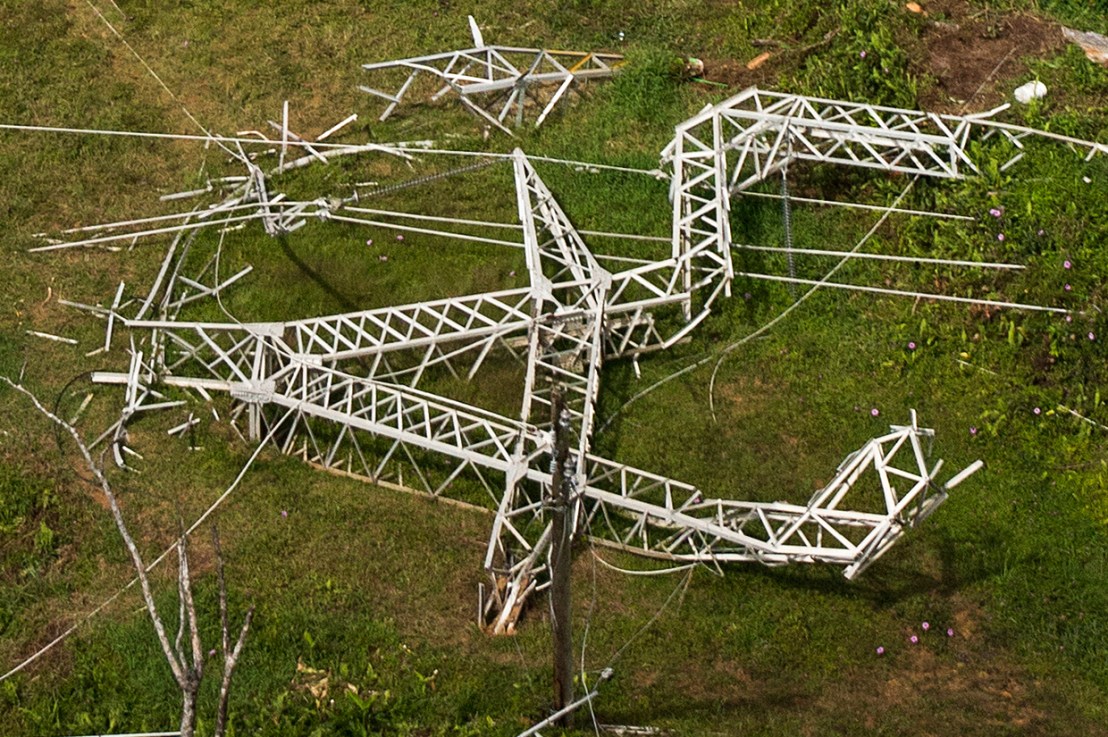
With the ascent of global temperature change, the grid will need to adapt to ensure proper resilience. However, to building against higher temperatures and more extreme weather events will require much more than putting more batteries on the main grid. The current components of the grid will also need to be repaired since much of it has already run its life cycle. As a result, The Grid Needs to be Repaired to Ensure Climate Change Resilience.


Image credit spectrum.ieee.org

How Extreme Weather Events Can Cause Energy Prices to Skyrocket

How Extreme Weather Events Can Cause Energy Prices to Skyrocket

How Extreme Weather Events Can Cause Energy Prices to Skyrocket

10/22/18

“How can extreme weather events cause energy prices to go out of whack?”


When the weather gets too hot or too cold, people will turn on HVAC systems to compensate. This will cause greater demand on the electricity system, which in turn will lead to more constraints and therefore higher costs for everyone. This is How Extreme Weather Events Can Cause Energy Prices to Skyrocket. The advent of climate change will only exacerbate this, as extreme weather events will become far more frequent.  So in the end, it will pay in the long term to upgrade critical infrastructure systems to more resilient standards.


Image credit Bigerna, S. (2018). Estimating temperature effects on the Italian electricity market. Energy Policy, 118, 257-269.

Why We Need to Expand Coastal Barriers for Climate Change Resilience

Why We Need to Expand Coastal Barriers for Climate Change Resilience

Why We Need to Expand Coastal Barriers for Climate Change Resilience

10/21/18

“Why should we expand coastal barriers to withstand against climate change?”


As the global average temperatures and sea levels continue to rise, the world will need to adapt in response. Part of this will include expanding coastal barriers to prevent against widespread destruction as seen in New Orleans and Houston.


Image credit images.arcadis.com

How Climate-Induced Coastal Flooding Will Harm Power Generation

How Climate-Induced Coastal Flooding Will Harm Power Generation

How Climate-Induced Coastal Flooding Will Harm Power Generation

10/20/18

“How will coastal floods make worse by climate change harm power generation?”


As the average temperature of the Earth rises, so will its sea-levels. This will spell major trouble for areas with large amounts of coastal power generation, as they may soon become flooded. As many as 100 of such facilities in the US are at risk for this phenomenon. Passive sea level rises will not be the only problem facing generation facilities, but also climate exacerbated storms could rip apart infrastructure in the same way as Fukushima. This is How Climate-Induced Coastal Flooding Will Harm Power Generation.

How Climate Change Will Exacerbate Fires

How Climate Change Will Exacerbate Fires

How Climate Change Will Exacerbate Fires

10/19/18

“How will Climate Change make fires worse?”


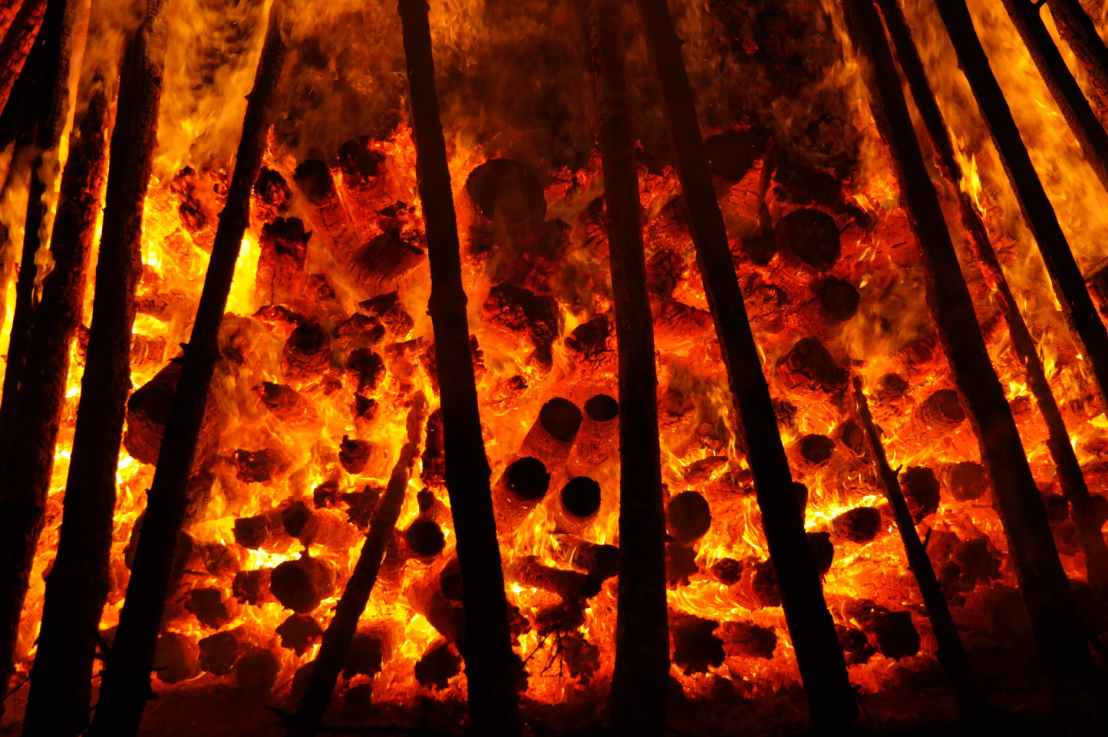
As more and more greenhouse gasses are sent into the atmosphere, the Earth’s climate will become more and more extreme. Dry areas such as California, Portugal, Palestine, Israel, and Punjab are becoming drier with each passing year. This will lead to a greater risk of not only fires breaking out but also makes them more difficult to control due to a lack of moisture. This is just a small example of How Climate Change Will Exacerbate Fires.

Fuel-Limited Fire

Fuel-Limited Fire

Fuel-Limited Fire

10/18/18

“How does a basic open-air fire develop?”


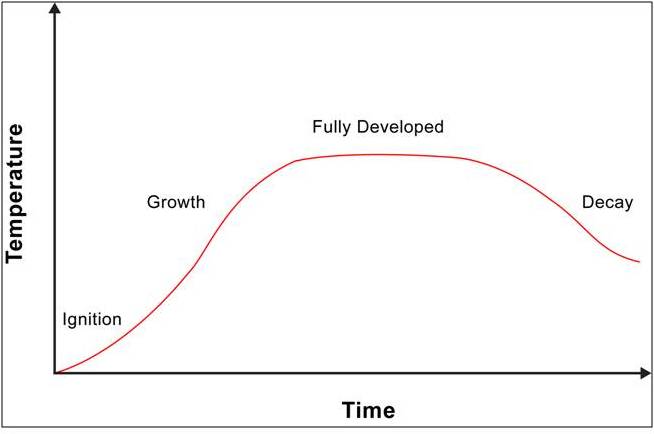
Depending on environmental conditions, fires develop in many different ways. The one that firefighters are first taught is often the simplest case. In this scenario, a couch is burned in an open lot, and the temperature curve can be seen by the image above. First, the object combusts, and the temperature begins to rise. It eventually reaches a maximum temperature and stays that way until the fire becomes less potent and cools off. This is known as a Fuel-Limited Fire and is one of the most famous fire curves in the world.


Image credit aemstatic-ww1.azureedge.ne

How Recontouring the Baylands can Make the Bay Area More Resilient

How Recontouring the Baylands can Make the Bay Area More Resilient

How Recontouring the Baylands can Make the Bay Area More Resilient

10/17/18

“How can making the sediment in the Baylands help protect the Bay Area against climate change?”


The Bay Area has a problem. Decades of infill developments in the Baylands have changed its sediment runoff cycle and left it exposed to flooding from rising sea levels. However, a consulting group has found that by reversing things to its natural order through softening its edges, tidal wave energy can be dissipated and upgradings the Bay’s safety by an order of magnitude. This is How Recontouring the Baylands can Make the Bay Area More Resilient!


[Image: Public Sediment/courtesy Resilient by Design]