Month: November 2019

Climate-Induced Infrastructure Insurance Divestment

Climate-Induced Infrastructure Insurance Divestment

Climate-Induced Infrastructure Insurance Divestment

11/21/19

“Why are some insurance companies divesting from carbon-intensive projects?”


Major infrastructure projects often need insurance to ensure stakeholders that their money is safe. However, some of these activities such as new power plants or gas pipelines are making the planet less safe due to their carbon-intensive nature. As a result, some insurance companies such as Chubb are limiting the amount of non-sustainable projects that they invest in. This Climate-Induced Infrastructure Insurance Divestment is growing exponentially at both the grassroots and systematic level. If you would like to help take action, check out what 350 Colorado has to say.

Wildfire Conditions Monitoring

Wildfire Conditions Monitoring

Wildfire Conditions Monitoring

11/20/19

“How can we monitor weather conditions for wildfires?”


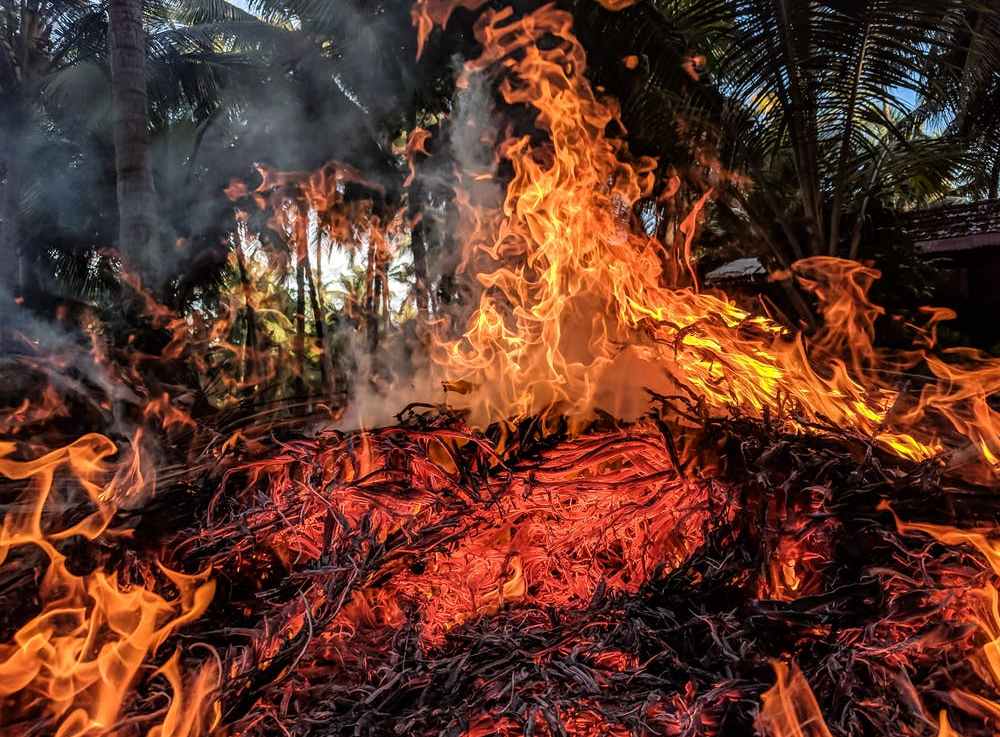
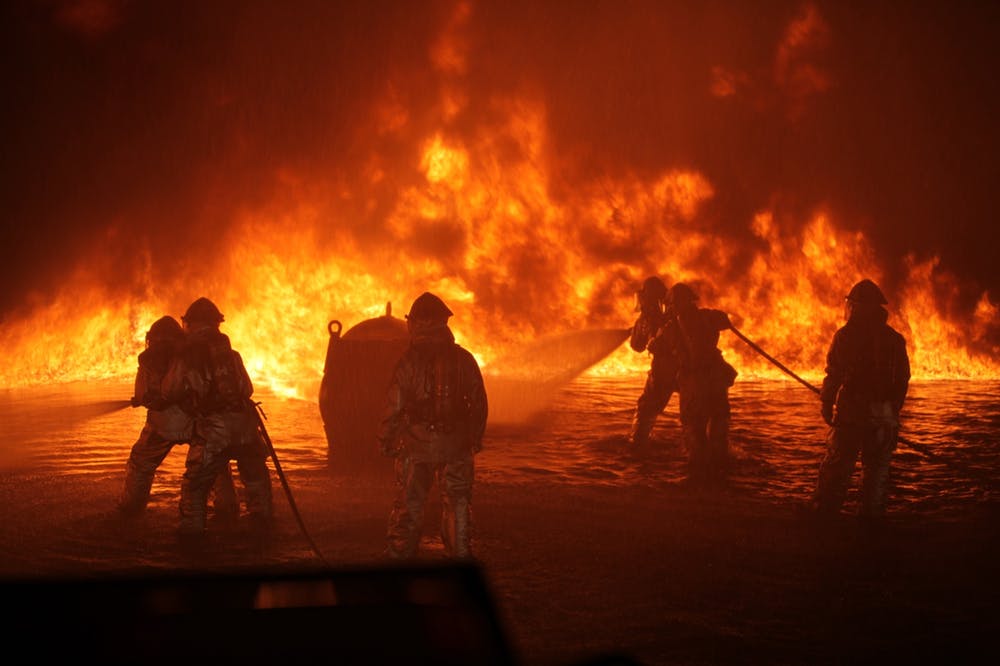
Wildfires have the potential to wreak devastation to entire communities, especially when exacerbated by climate change. To ensure that we can have situational awareness of when one might start, Wildfire Conditions Monitoring needs to be operational. This can include observing the temperature and dryness levels, analyzing what burnable materials are present, and keeping track of human activity. If done properly, wildfire mitigation can be vastly simplified.

Wildfire Mitigation

Wildfire Mitigation

Wildfire Mitigation

11/19/19

“How can we mitigate wildfires before they happen?”


Wildfires are becoming the bane of every Mediterranean climate resident’s existence. And although emergency management is something necessary to develop, a milligram of prevention is worth a kilogram of cure. By practicing Wildfire Mitigation strategies, such as preventing flammable debris overgrowth, banning fire-inducing items such as cigarettes from dry areas, moving people out of burnable areas, and (in extreme cases) shutting down power lines. This has the potential to save dozens of lives and billions of dollars in property damage.

Elad Orian, Co-founder of Comet-ME

Elad Orian, Co-founder of Comet-ME

Elad Orian, Co-founder of Comet-ME

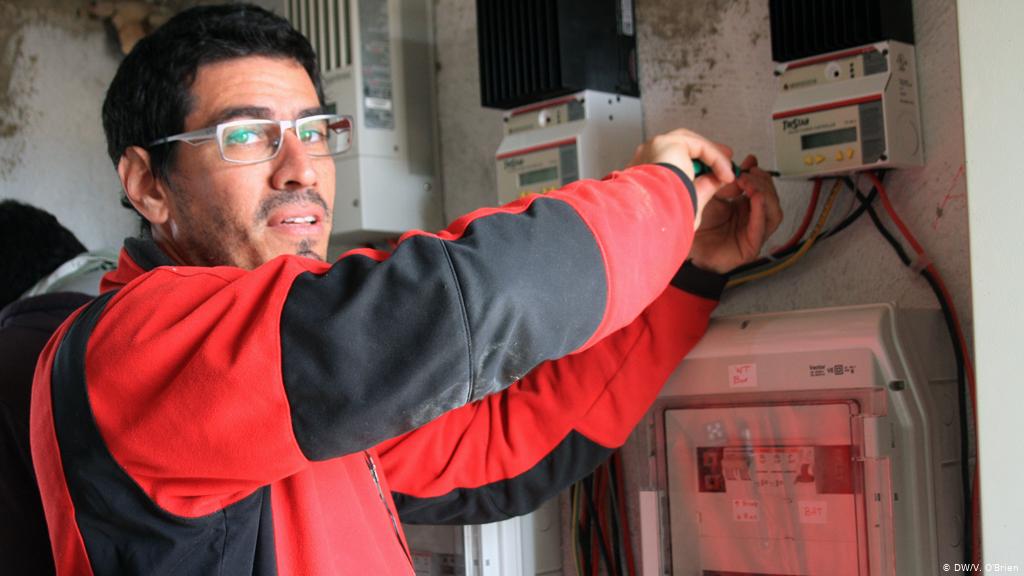
We here at Isaac’s Science Blog are pleased to be hosting our sixth professional interview, this time with Elad Orian! Elad is the co-founder of Comet-ME, an Israeli-Palestinian organization providing renewable energy and clean water services to off-grid communities in some of the most marginalized parts of the Palestinian Territories using environmentally and socially sustainable methods.

1. Tell us about yourself and your educational/professional background.

I studied physics and later environmental science/policy. I’ve been doing my current work for 10 years now.

2. What inspired you to work in energy?

I’m a political activist along with my partner (Noam Dotan). We started thinking about something more proactive and using our abilities and know-how and energy was a very natural conclusion

3. Why did you help found Comet-ME

We actually started doing this type of work before we officially established Comet. It just so happened that these activities were relatively successful and grew really fast to the point that we needed an organization/framework that can handle this. As a result, Comet-ME was born.

4. Tell us about some of the challenges that of the Palestinian residents that you worked with.

We work with Palestinian communities in Area C of the West Bank. In the Oslo accords the West Bank was divided into three areas (A under control of the Palestinian Authority, B under Palestinian civil control and joint Israeli-Palestinian security control, and C, which happens to be the majority of West Bank under control of the Israeli government). We work in an area where the Palestinian Authority cannot provide electricity/water to communities. There are communities in A/B that have no electricity but we made a strategic decision to not replace the position Palestinian Authority.

5. What does the life-cycle of an average project look like?

One of the first things we do is to build trust with the community. We know what we do and why we do it, but the people we work with need proof. It is important that we go into a community when we know that we have the funding. We are lucky to have so many long-term donors trust us so when we start a project/budget cycle we don’t know where we are going to work because we need to do a survey of the community, conditions of each place, and then we do a detailed design of system and then we will purchase all the equipment that is required. There are some long-lead items so we do work in houses of the villagers and then once we have everything we install it. Once the installation is finished the hard work is started when service is provided. Because Comet is about providing service and we make sure service is running for a long period of time. In this way, we are like a utility. Every system brings service.

6. What technology does Comet-ME use to help communities establish energy independence?

We always use solar systems. Sometimes wind/diesel hybrids. Our systems can be designed to work from 1 family up to 40/50 families.

7. Tell us about your water program

After a few years of working exclusively with electricity, we decided that we had the organizational capacity to do something else. This is a very different program since many of them already have water, just not enough. Our system is a pump attached to a filter to obtain clean water, it’s a simple single-family system that collects rainwater and pumps it. We developed a system that pumps and filters rainwater using electricity when the batteries are full. There is also a stewardship component where water quality is sampled from all the users on a regular sample schedule to make sure systems are doing what they are meant to do.

8. Is Comet-ME looking at the Water-Energy Nexus and if so how is it?

Very much. Our water systems are dependent on our electricity systems for operation.

9. Have you received any interest from universities on the work that you do?

We have some collaborations with some universities. We also have a few students that have written master’s degrees with us. We don’t do much advertisement so we’re not really a household name.

10. Is Comet-ME looking at how to deal with climate change resilience?

Although we don’t title it, our work is directly tied with climate resilience due to providing an independent source of energy

11. How do you see your organization fit into a long-term Israeli-Palestinian peace partnership?

If there is a peace agreement signed and the West Bank becomes a Palestinian state then we would gladly hand over systems to a Palestinian organization to handle it. I don’t think it would be a problem.

12. Do you think that the Comet-ME model has any application outside of the Palestinian territories?

There are many components that certainly are and some that are idiosyncratic to conditions/politics of the West Bank.

13. What can someone do to help out with your organization?

One can always donate money, also if you’re technically inclined and interested in such issues we do have volunteers from time to time. Feel free to reach out and join us!

Conclusion

So there you have it! Elad, we are very grateful for giving us your time to talk about this very important work. Your organization’s work is a textbook example of how people can apply their scientific knowledge to make the world a better place.


If you would like to connect with Elad and Come-ME, you can find their website here and their facebook page here.


Image credit DW.com
How Green Roofs Can Create Flood Resilience

How Green Roofs Can Create Flood Resilience

How Green Roofs Can Create Flood Resilience

11/17/19

“How can green roofs be apart of flood resilience?”


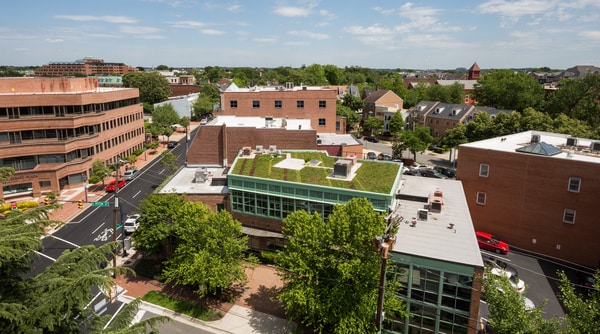
Climate change is bringing new weather patterns all over the world. In some areas, this will mean flooding in almost biblical proportions. Planting urban greenery on the ground is often sought as a natural way to combat this. However, this is usually implemented on the street level, and in many dense locations such as Manhattan or Hong Kong roofs take up a larger portion of the direct surface area and streets less so. So wouldn’t it be logical if we invest resources into creating green roofs that can absorb downpours? Not only would this divert flooding but also decrease air pollution and create produce that can be used by local communities. This is How Green Roofs Can Create Flood Resilience.


Image credit http://www.buildings.com

Why Climate Change Is a Major Threat to Bridges

Why Climate Change Is a Major Threat to Bridges

Why Climate Change Is a Major Threat to Bridges

11/16/19

“Why are many bridges in danger of failing because of climate change?”


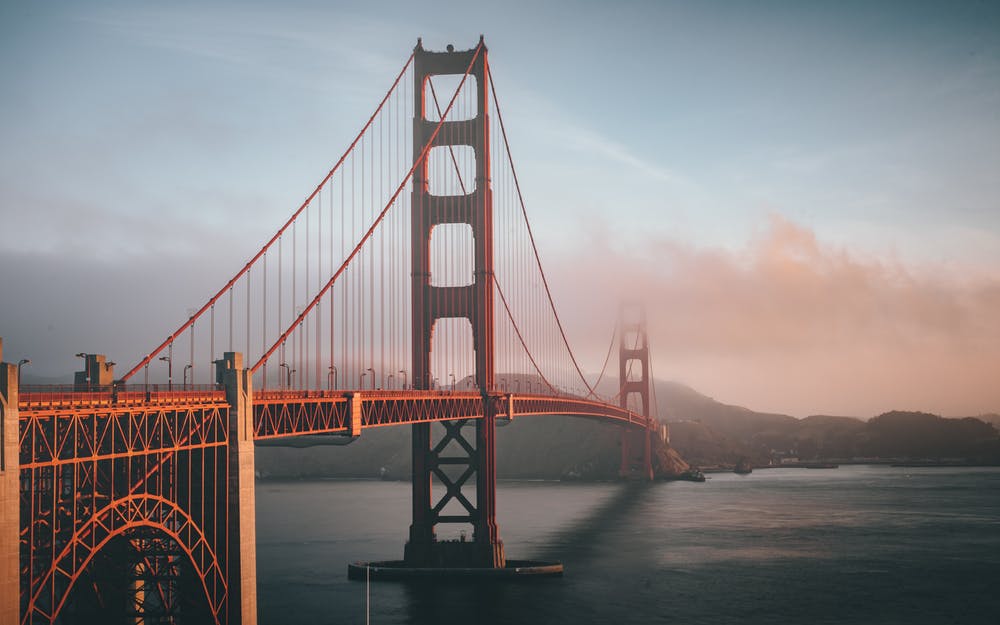
Bridges are vital pieces of critical infrastructure for any nation. Whether it be used for transporting goods or people, bridges are able to link disparate parts of an area together. Usually, these bridges are designed to operate in certain weather conditions. However, with the changing climate, so will these. According to research from Colorado State University, the additional heat stress in the future will cause numerous bridges to fail from failed expansion joints if no resilience action is taken. This will end up creating much stress on local communities and guaranteed economic loss. This is Why Climate Change Is a Major Threat to Bridges.

How to Build Resilience Against Fire-Inducing Winds

How to Build Resilience Against Fire-Inducing Winds

How to Build Resilience Against Fire-Inducing Winds

11/15/19

“How can we make our communities more resilient against fire-inducing winds?”


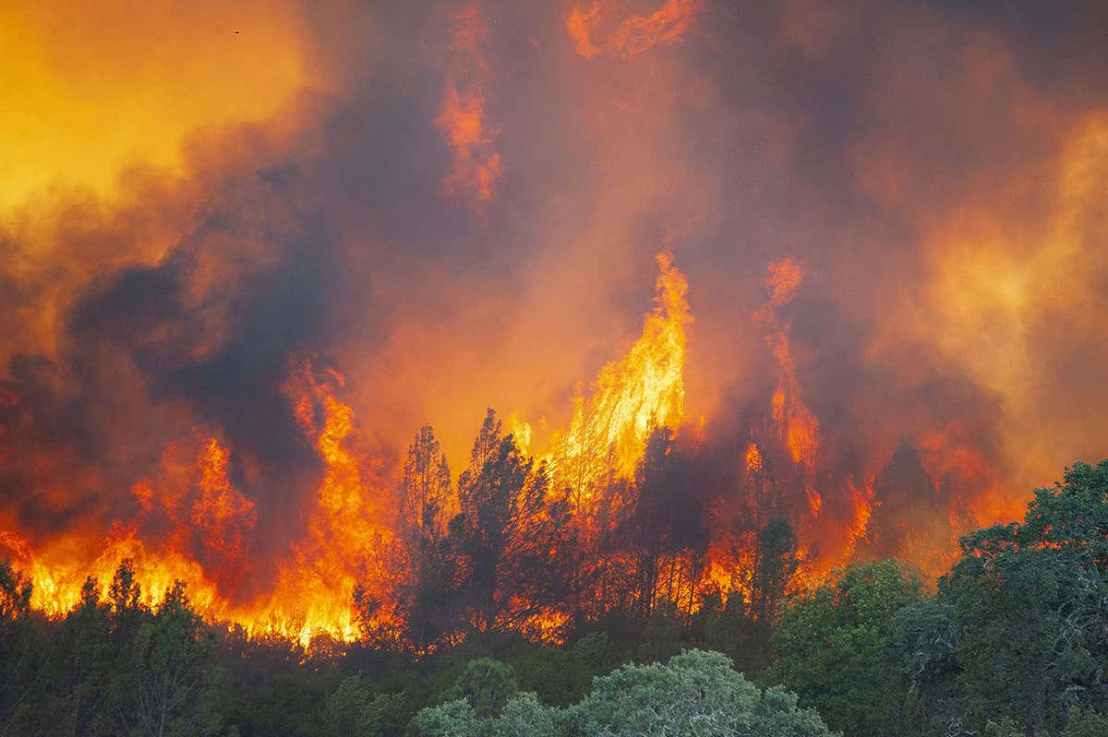
Strong winds have the potential to induce wildfires in hot dry climates. This threat will only be magnified by the transformed weather conditions induced by climate change. So how can we make our communities more resilient against these fire-inducing winds? Well, there are multiple ways of accomplishing this. First, more accurate weather prediction services can be developed so people can have a better sense of when strong winds are present. Another way is to develop microgrids connected to distributed energy resources to ensure a steady flow of electricity when the main grid has been shut down by the utility. Utilities can also underground transmission lines to insulate them against the effects of strong winds. These are only a few ways that we can think about How to Build Resilience Against Fire-Inducing Winds.


Image credit images.newscientist.com

How Climate Change Is Making the Bay Area Windier and More Prone to Fires

How Climate Change Is Making the Bay Area Windier and More Prone to Fires

How Climate Change Is Making the Bay Area Windier and More Prone to Fires

11/14/19

“Why is a windier Bay Area more at risk of fires?”


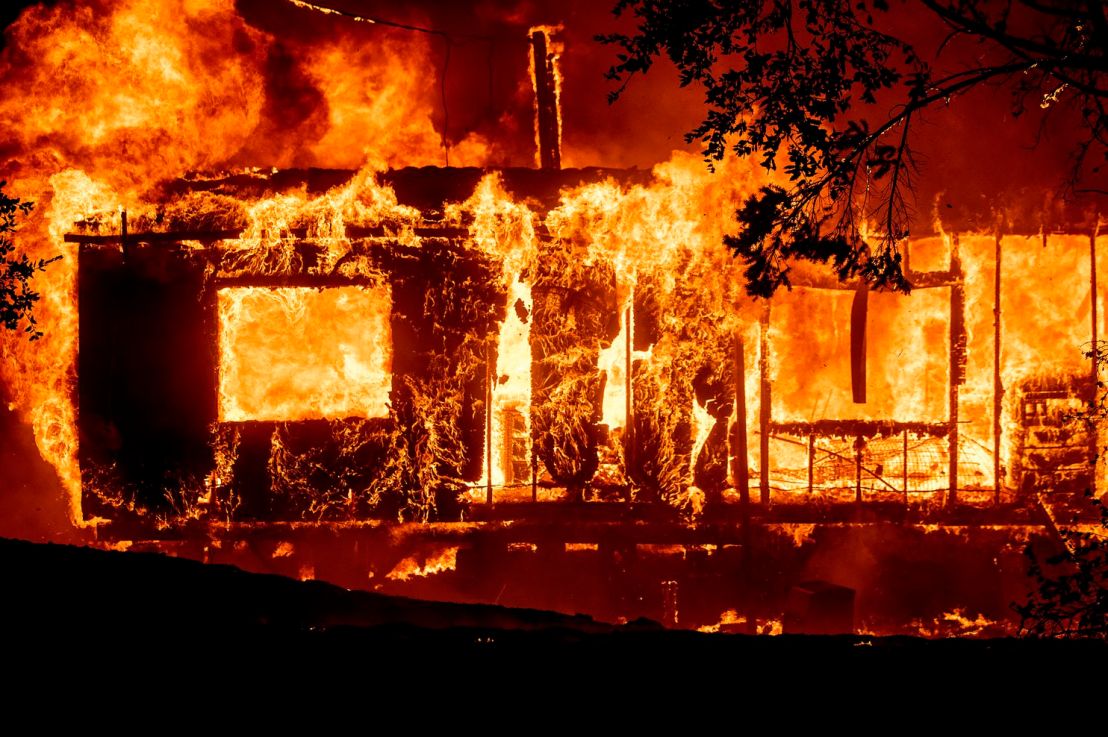
The Earth’s climate is changing more and more as larger volumes of carbon dioxide are poured into the atmosphere. Nothing seems to be unaffected, not even wind speeds. Although the data right now is scarce, current projections are showing that Northern California is experiencing windier seasons years after year in the autumn, which when combined with dry and hot conditions can lead to wildfires. As a result, government officials may need to think about how to incorporate this issue into their resilience planning. This is How Climate Change Is Making the Bay Area Windier and More Prone to Fires.


Image credit https://climatefeedback.org/