Month: October 2017

Advantages and Disadvantages of Chilled Beams

Advantages and Disadvantages of Chilled Beams

Advantages and Disadvantages of Chilled Beams

10/31/17

“What are the advantages and disadvantages of chilled beams?”


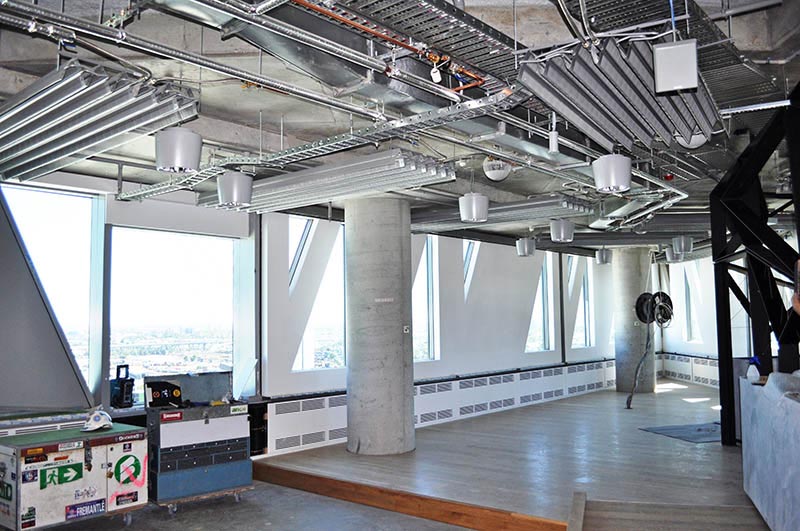
Chilled beams are a most innovative approach to building climate control that comes with their own advantages and disadvantages. Their water-based design allows them to be run at lower costs and can work in smaller building environments. When the University of North Carolina – Chapel Hill switched one of their buildings to chilled beams, they were able to see a cost reduction of 20%! However, these systems have their drawbacks as well. Because Chilled Beams work by absorbing rising hot air, rooms with these systems must not be too large to ensure optimal use. In addition, the circulative nature of their operation means that hospitals in the U.S are unable to implement such systems due to health concerns. When choosing whether or not to implement Chilled Beams, one must be observant of their qualities and choose wisely.

Chilled Beams

Chilled Beams

Chilled Beams

10/30/17

“How can we make Air Conditioning without using any electricity?”


Air conditioning systems are excellent for cooling a building, but they come at a steep price in terms of a large electricity usage. So how can we use our engineering mindsets to solve this problem? Well, let’s start by thinking about two fundamental physical heat phenomena. The first involves one of the primary components of practical heat transfer, heat exchangers, which can cause two different fluids to change their temperatures by placing them right next to each other. The second principle involves the fact that cold air sinks and hot air rises. So what if we were to cycle cooled water near the ceiling of a room to cool the surrounding air, therefore letting the hotter air rise and decreasing the temperature of the lower parts of the room? Well, this is the fundamental idea behind a technology called Chilled Beams and is a very popular setup in Europe and Australia (and increasingly in North America!)

Desktop Fans

Desktop Fans

Desktop Fans

10/28/17

“How can we have a fan on our very own desktop?”


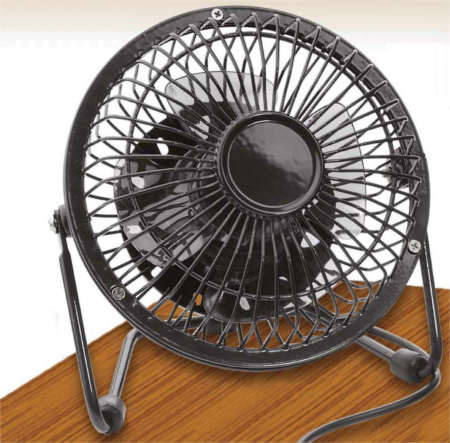
Often times, we can feel overheated at our very own desks, especially when no AC system is present. Feeling uncomfortable with the surrounding temperature can cause numerous issues, whether it be productivity impairments or even sickness! So how can we use our engineering mindset to solve this problem? Well, what if we were to simply have a miniature plug-in fan that we can have at our desks? Well, it turns out that this desktop fan has not only been invented but is also a widely available commercial product! Some fans are even USB powered, allowing them to be run straight from a computer

Heat-only Boiler Station

Heat-only Boiler Station

Heat-only Boiler Station

10/28/17

“How can we provide hot water for district heating?”


District heating is world-renowned for its ability to provide large urban communities with the heating that they need. However, how exactly can we provide them with the water that they need? Well, what if we were to have generators that instead of generating electricity would generate hot water? Well, this is the idea behind a Heat-only Boiler Station and is one of the prime elements in modern-day district heating systems

Environmental Monitoring

Environmental Monitoring

Environmental Monitoring

10/27/17

“How can we empirically analyze environmental quality?”


One of the most important tasks that an environmental engineer or scientist must do is analyze the health and quality of the surrounding environment. However, often times qualitative methods such as visual observation do not work. So how can the necessary quantitative information be obtained? Well, what if we were to simply take samples of the environment, whether it be the soil or air, and then place it into a lab for physical, chemical, and even biological analysis? Well, this process is known as Environmental Monitoring and has resulted in some of the most important discoveries, such as climate change and soil degradation.

Industrial Control Systems

Industrial Control Systems

Industrial Control Systems

10/26/17

“How can we control industrial processes?”


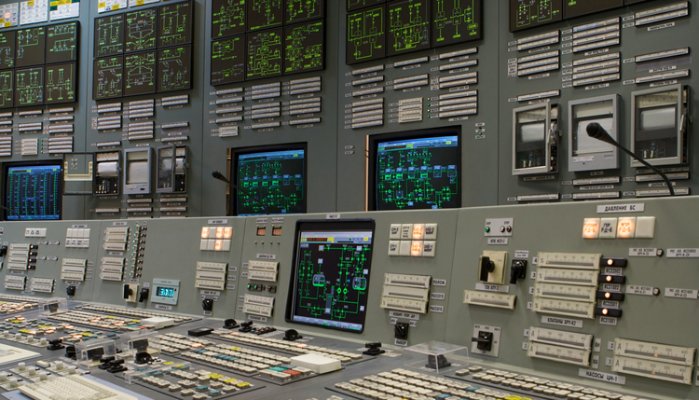
In Industrial operations, we often have to deal with large-scale control systems along with their instrumentation. Because of this, we will need to develop various types of special control systems to monitor and process everything. These constructions are known as industrial control systems and are one of the major underpinnings of modern-day industry.

Batch Production

Batch Production

Batch Production

10/25/17

“What is an alternative manufacturing method to mass production?”


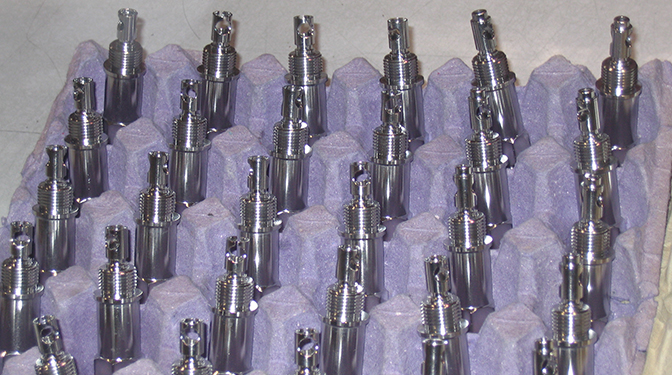
Mass production is astounding for producing voluminous quantities of material. But sometimes we actually want to produce smaller amounts, as it could be more economically efficient. So how can we use our engineering mindset to construct such a method? Well, let’s think back to the one most produced item in the world, food! When we want to make food with a small volume, we often do so in batches or a set at the same time. So what if we were to apply this same method but with machinery? Well, this process is known as batch production and is often favored for its low capital costs and simple modularity.

Lean Manufacturing

Lean Manufacturing

Lean Manufacturing

10/24/17

“How can we make manufacturing more efficient while having it more ecologically friendly?”


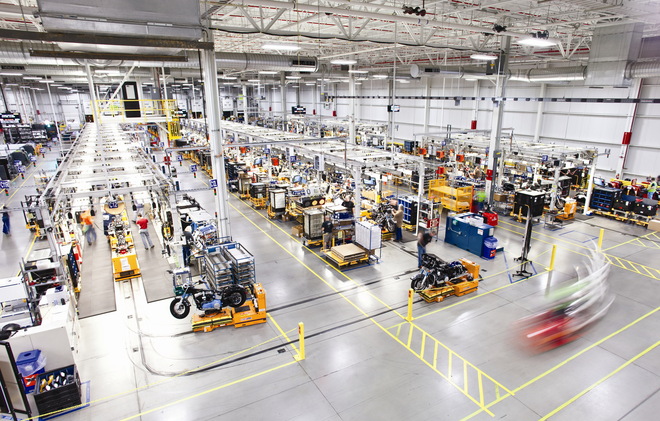
Everyone likes efficient manufacturing and a clean environment. However, in the popular imagination, these feats seem to be mutually incompatible. But what if we were to create a method that was able to accomplish both? Well, let’s use our engineering mindset to figure this out. If we were to analyze our manufacturing operations, then we would find out that much of the production activities are actually unnecessary. So what if we were to simply trim these processes out? The result would be a manufacturing procedure that is simultaneously less expensive, more cost-efficient, and better for the environment. This is known as lean manufacturing and is being implemented in factories all over the world.

Life-cycle Assessment

Life-cycle Assessment

Life-cycle Assessment

10/23/17

“How can we fully analyze the environmental consequences of a product?”


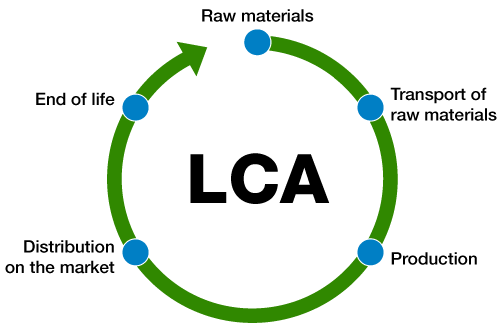
Many new technologies such as electric vehicles market themselves as being sustainably built because they produce no emissions during operation. However, upon further inspection, we can see that these machines consume quite a lot of resources during manufacturing, putting their ecological value into question. So how can we completely analyze a material object for its environmental impact? Well, let’s use our engineering mindset to think about this. First, let’s look at the entire life process of such an object, from the resources required to manufacturing to shipment to operation and finally decomposition. Then, let’s quantify how the environment was harmed during each part of the cycle. This method is known as Life-cycle Assessment and is used by sustainably minded individuals and organizations to obtain the true environmental impact of materials. From now on, whenever you see that a company touts its product as sustainable, just keep in mind that it might be so for only one part of its entire process.