Tag: Physics

Isenthalpic Processes

Isenthalpic Processes

Isenthalpic Processes

06/28/18

“Are there thermodynamic processes that take place without any change in enthalpy?”


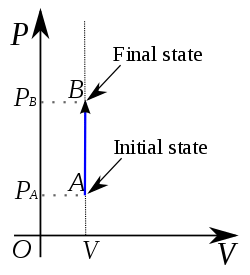
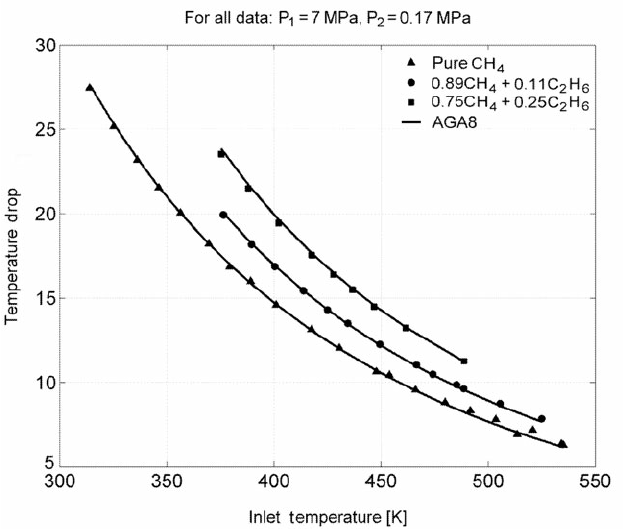
Isothermal, isobaric, and isovolumetric (constant volume) thermodynamic processes are very well known. But there are also Isenthalpic Processes which occur when there is no change in Enthalpy for the system. The throttling process is a common example of an Isenthalpic Process.

Electrical Reactance

Electrical Reactance

Electrical Reactance

06/22/18

“What opposes electric current flow?”


Resistors are commonly known to oppose electricity. However, how can other components such as capacitors and transducers oppose it as well? Well, it turns out that each of these components contribute to something called the Electrical Reactance of the system. Due to the time-varying nature of the components, reactance is typically used when dealing with AC signals.

The Reynolds Number

The Reynolds Number

The Reynolds Number

04/06/18

“How can we predict if a fluid flow will be laminar or turbulent?”


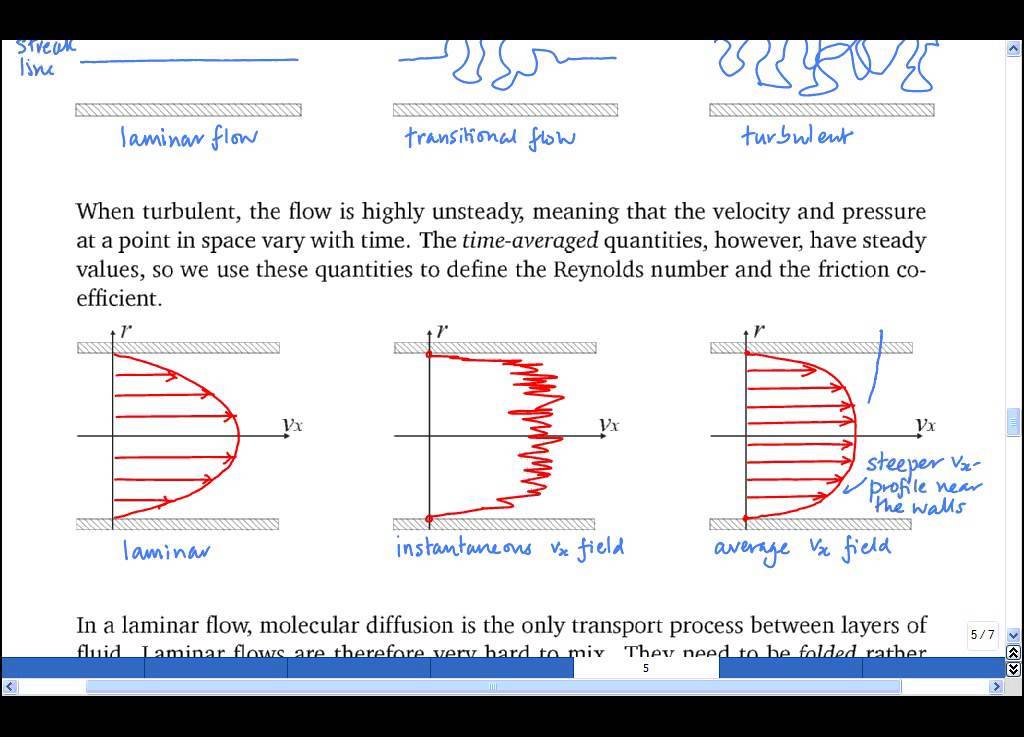
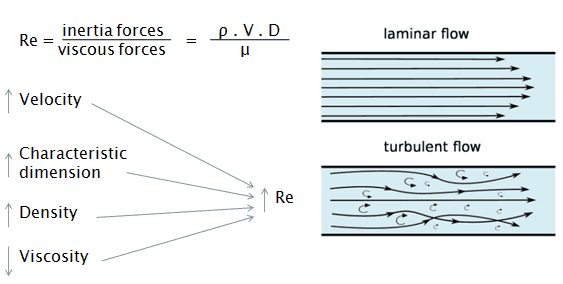
Fluids have a most remarkable form of movement with their flow. Some are laminar as a calm lake while others thrush around with the turbulence of a roaring river. But how can we predict if a fluid flow will be either turbulent or laminar? Well, let’s think about it using our engineering mindset. We know that two types of forces act on a moving fluid, inertial and viscous forces. The former are forces that tend to move an object, such as a pressure difference or momentum, while the latter are ones that tend to keep a fluid’s movement neutral, such as friction or momentum loss. It would be logical that if the former were stronger, then the fluid would be freer to move and therefore create turbulence while the latter would keep everything mellow and laminar. So what if we were to take the ratio of these forces and classify fluids based on it? Well, this is known as the Reynolds Number and is used to predict the flow type of a fluid. For simple fluids, the Reynolds Number can be expressed symbolically as Re = rho *v*L/mu, where Re is the Reynolds Number rho is the density of the fluid v is the velocity L is the characteristic linear dimension of the fluid and mu is the dynamic viscosity of the fluid.

Why Airplane Wings Are Shaped Like They Are

Why Airplane Wings Are Shaped Like They Are

Why Airplane Wings Are Shaped Like They Are

04/03/18

“Why do Airplane Wings Have Their Shape?”


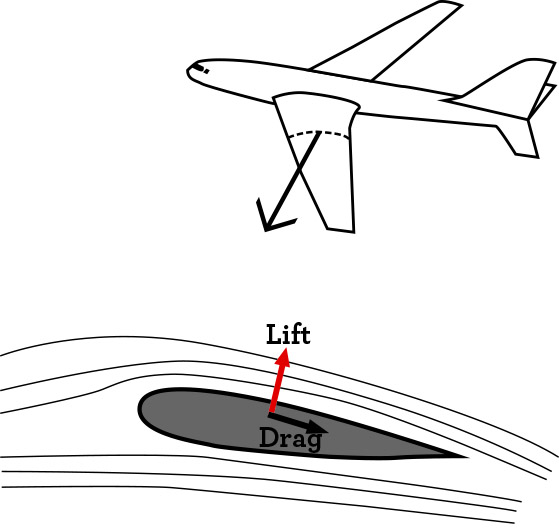
Airplane wings have a very peculiar shape. Their curved nature makes it seem as if they come from some science fiction movie. However, why exactly do they have their shape? Well, it turns out that it all comes from a very simple physical phenomenon, pressure. The wings are curved upwards such that more air goes below the wings, therefore creating a pressure difference that creates lift. Because of this, airplane wings have their futuristic look!

Why the Earth Does Not Technically Revolve Around the Sun

Why the Earth Does Not Technically Revolve Around the Sun

Why the Earth Does Not Technically Revolve Around the Sun

03/31/18

“Does the Earth really revolve around the sun?”


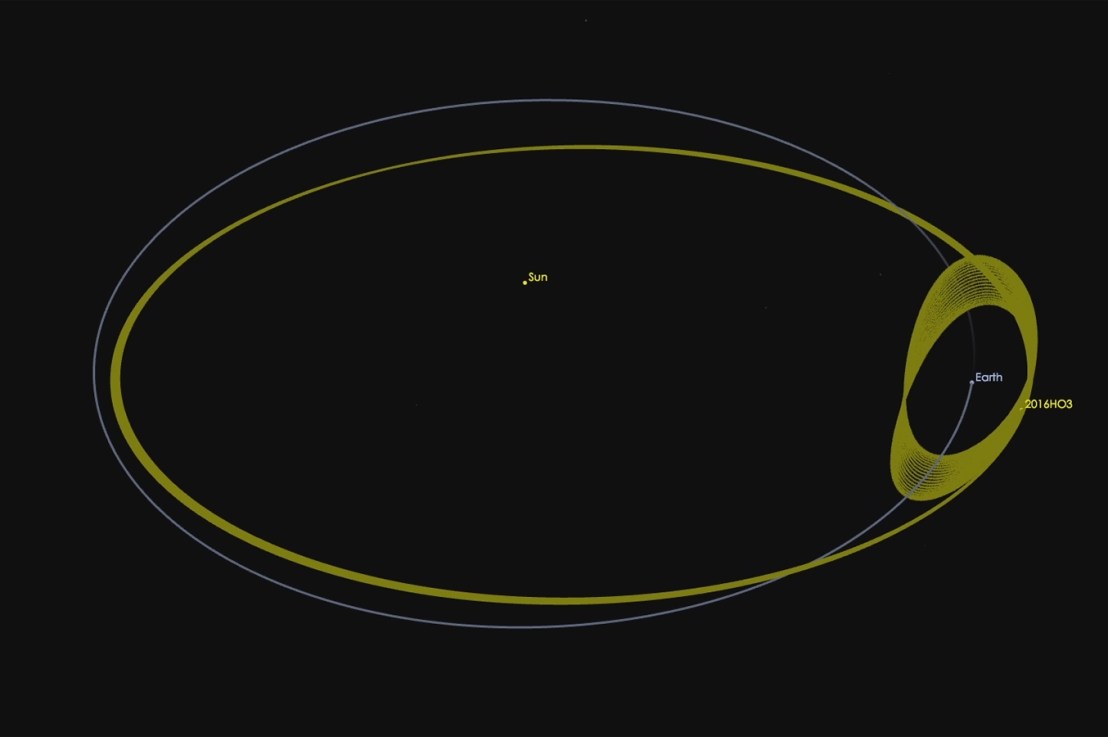
For the past few centuries it was thought to have been common knowledge that the Earth has revolved around the sun. However, when one looks at the physics closely, it turns out that the Earth does not revolve around the sun, but that it instead revolves around a common center of mass. Not only does the Earth revolve around this common center of mass, but also all of the other planets and even the sun! It just goes to show how a little knowledge of physics can upend one’s worldview.

Hawking Radiation

Hawking Radiation

Hawking Radiation

03/14/18


To the great sorrow of the world, the great physicist Stephen Hawking has passed away today. To celebrate his life, we here at Isaac’s Science Blog thought that it would be appropriate to write about his most famous work, Hawking Radiation.


“What was Stephen Hawking’s crowning achievement?”


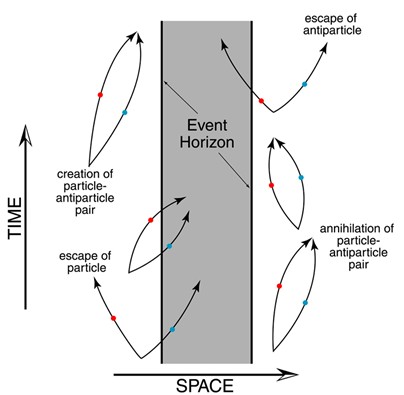
Let’s think about something for a second. Black Holes are usually thought of as sinks where nothing, not even light can escape. But a few decades ago a very different thinker with the name Stephen Hawking came and looked at these phenomena very closely. After some further research, he found that these black holes actually emit something called Hawking Radiation, or a collection of photons, neutrinos, and other massless particles. An astonishing consequence of this is that since black holes lose this matter over time, they actually shrink and shrink until they completely disappear! This development led to Stephen Hawking receiving many prizes and honors. So on this day forward, let’s take some time to think about all of the contributions this great mind has done for science.