Tag: Green energy

Renewable energy penetration

Renewable energy penetration

Renewable energy penetration

01/31/17

“What do scientists mean when they talk of renewable energy penetration?”


Often times, scientists will mention a term called “renewable energy penetration” when discussing sustainable systems. Now, the name itself probably comes off as a tad bit confusing, so what exactly do they mean? Well, renewable energy penetration simply means the amount of power in the electric grid that is supplied by renewable sources. This term is not just a simple measure of energy generation but is a phenomenon that energy engineers, planners, and policymakers must focus their active attention on since a grid with a high renewable percentage will have to deal with novel effects such as the duck curve and microgrid integration.
The duck curve

The duck curve

The duck curve

01/20/17

“What happens when demand and generation from renewable energy is out of sync?”


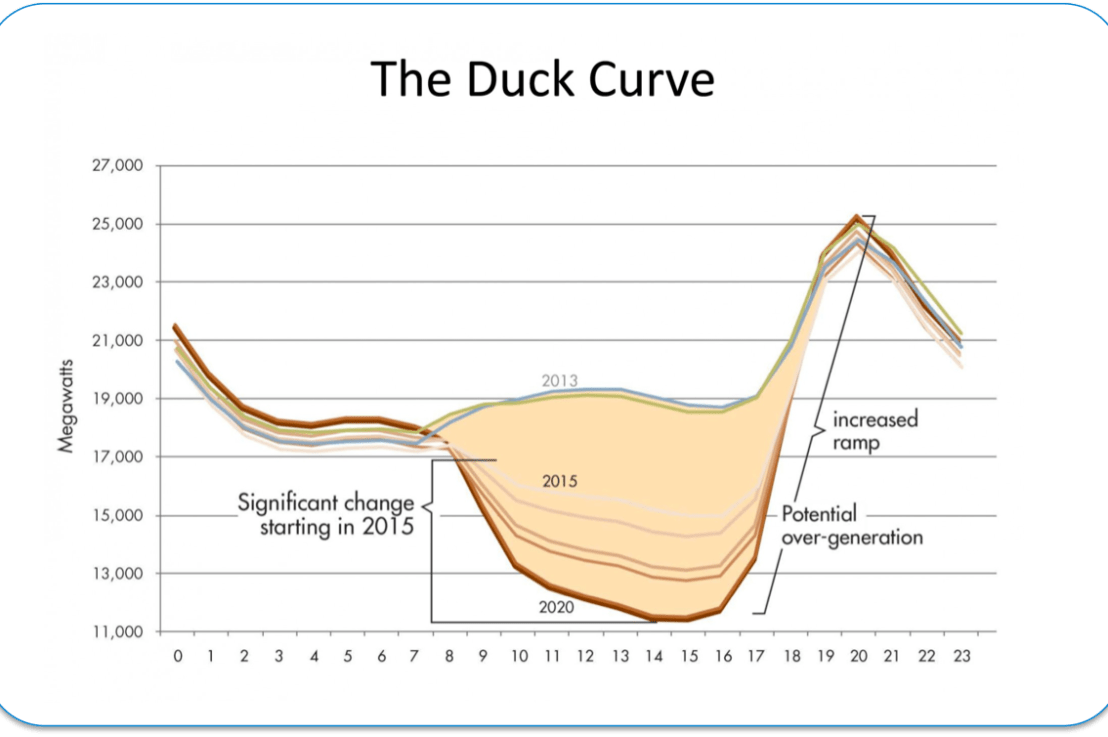
There is one nagging bump on the road to achieving a truly sustainable society. The energy generated from renewable sources is not constant but varies throughout the day. Specifically, the peak power generation happens during noon, when the sun is shining the brightest, and the minimum occurs after sunset. However, Human energy consumption has a tendency to be the opposite, since individuals are away from their homes during noon and return in the evening. This means that grids with a high sustainable penetration rate often struggle to cope with this imbalance of supply and demand, which manifests itself as a duck curve. One way to fix this issue would be to invest into a large amount of energy storage such as batteries or vehicle to grid technology.

How sustainable energy is better for job creation than fossil fuels

How sustainable energy is better for job creation than fossil fuels

How sustainable energy is better for job creation than fossil fuels

01/28/17

“When the data adds up, does sustainable energy result for more and better jobs than fossil fuels?”


        One of the most common diatribes launched against investment in renewable energy is that such ventures are wastes of money which should go into more economically fossil fuels. However, instead of accepting such claims blindly, how about we act as scientists and analyze such claims empirically?

        Well, it turns out that a group of individuals at the World Bank decided to conduct such a study for the United States. To measure the economic potential each form of energy (solar, wind, coal, etc.), data was strewn from the jobs created per million dollars of investment. From this data, it was found that not only are clean energy industries over twice as effective on average than fossil fuels but also result in a higher percentage of direct jobs. Needless to say, renewable energy is anything but the overpriced caricature that oil companies make it out to be, and is a most logical option for the United States. So please, if you are a citizen or resident of the country (or the world for that matter), please stand together to combat the nefarious attempts by the current administration to hamstring all efforts by joining in the upcoming March for Science.

Why wind turbines are placed at higher altitudes

Why wind turbines are placed at higher altitudes

Why wind turbines placed at higher altitudes

01/15/17

“Why are wind turbines placed at higher altitudes?”


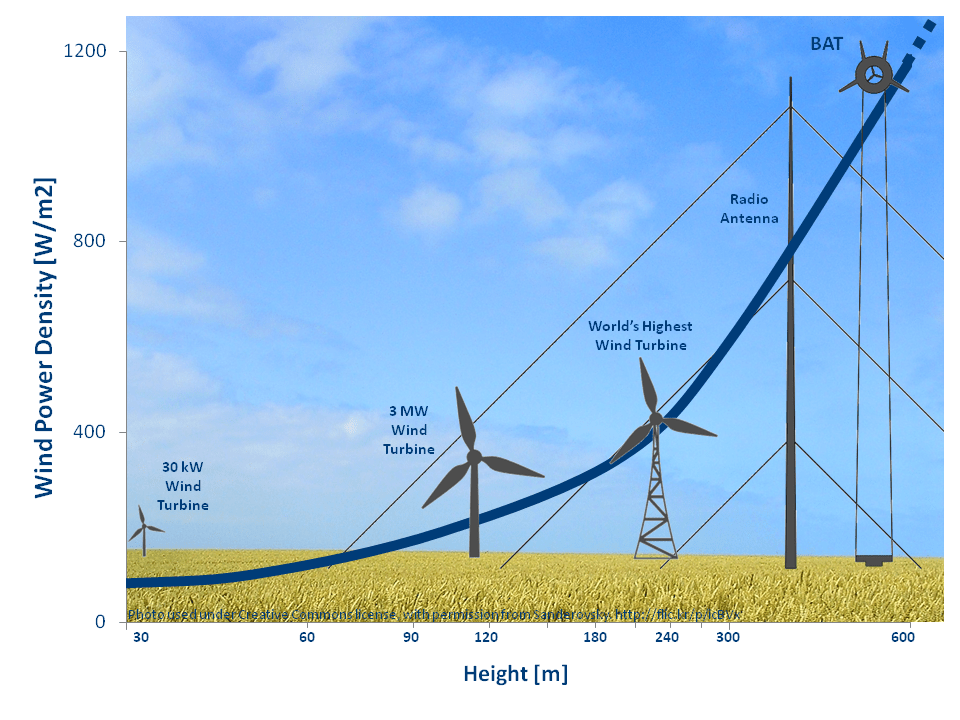
Wind turbines are a very common sight nowadays. However, if you look closely, you can notice a recurring pattern: such edifices seem to be disproportionately placed at higher altitudes. Why is this so? Well, we simply have to analyze the physics and engineering surrounding the decision. When the planet’s wind collides with solid objects, turbulence will generated, disrupting wind flow and inducing a lower speed. The closer the wind is to the ground, the closer it will be to solid objects, causing more turbulence, and since the amount of energy that a wind turbine produces is contingent to the surrounding wind velocity, it would be only logical to place them at higher altitudes.

Why do wind turbines have only three blades?

Why do wind turbines have only three blades?

Why do wind turbines have only three blades?

01/14/17

“Why is it that wind turbines always seem to have three blades?”
Wind turbines can be seen everywhere nowadays, from the coasts of Brazil to the mountains of Scotland. Throughout these installations, they all seem to have one peculiar feature in common: only three blades are attached to the turbine. Why is it like this? Well, let’s use our engineering mindsets to figure this out. The more blades that a wind turbine has, the more torque, generating more electricity. However, each blade will come with its own particular weight and cost, so simply adding more would prove ineffective. If one were to create a performance vs cost analysis, they would find that the three blade design would come out as the most efficient! This little example is a great showcase for how engineering is not utterly based off the laws of physics but the nature of economics as well.

Hybrid cars

Hybrid cars

Hybrid cars

01/08/17

“How can we combine traditional internal combustion engine vehicles with electrical ones?”
Many consumers face a dilemma when purchasing a motorized vehicle. On one hand, they want to be energy efficient and environmentally friendly by purchasing an electric vehicle. On the other hand, they would like to have a large driving range with an internal combustion engine type vehicle. So how can we solve this problem? Well, why can’t have our cake and eat it two by combining them? This is the operating principle behind hybrid car technology, and it is becoming more prevalent in the automobile market every year.

Spherical Sun Power Generators

Spherical Sun Power Generators

Spherical Sun Power Generators

“Is the only thing we need for the next solar power revolution  just a simple change of geometry?”
The current design of solar panels have a distinct bottleneck; their rectangular geometry leaves them inefficient for obtaining solar power from the sun since the sun’s rays will be in a sub-optimal direction for most of the time. Solar trackers can also be inefficient and are prone to damage in the rain, so how can we completely transform the way we collect solar power? Well, let’s use our engineering mindset to figure this out. Our goal is to make the design of our solar producing unit so that the sun can be in an optimal angle at all times. If we think back to our geometry class, then we will remember that a sphere is symmetric from all directions. With this knowledge, the German architect Andre Broessel created a Spherical Sun Power Generator. The setup works as follows: A supporting structure will house a spherical lens. This spherical lens will have a dual tracking system structure at the back of it. In this tracking system will be solar cells, which will receive ample sunlight as a result of the focusing effect from the spherical lens. These spherical sun power generators allow for twice the conventional yield in a much smaller surface area, allowing it to even absorb the reflected sun light from the moon!

Grid-tied inverters

Grid-tied inverters

Grid-tied inverters

01/03/17

“How do solar panels connect to the main electrical grid?”


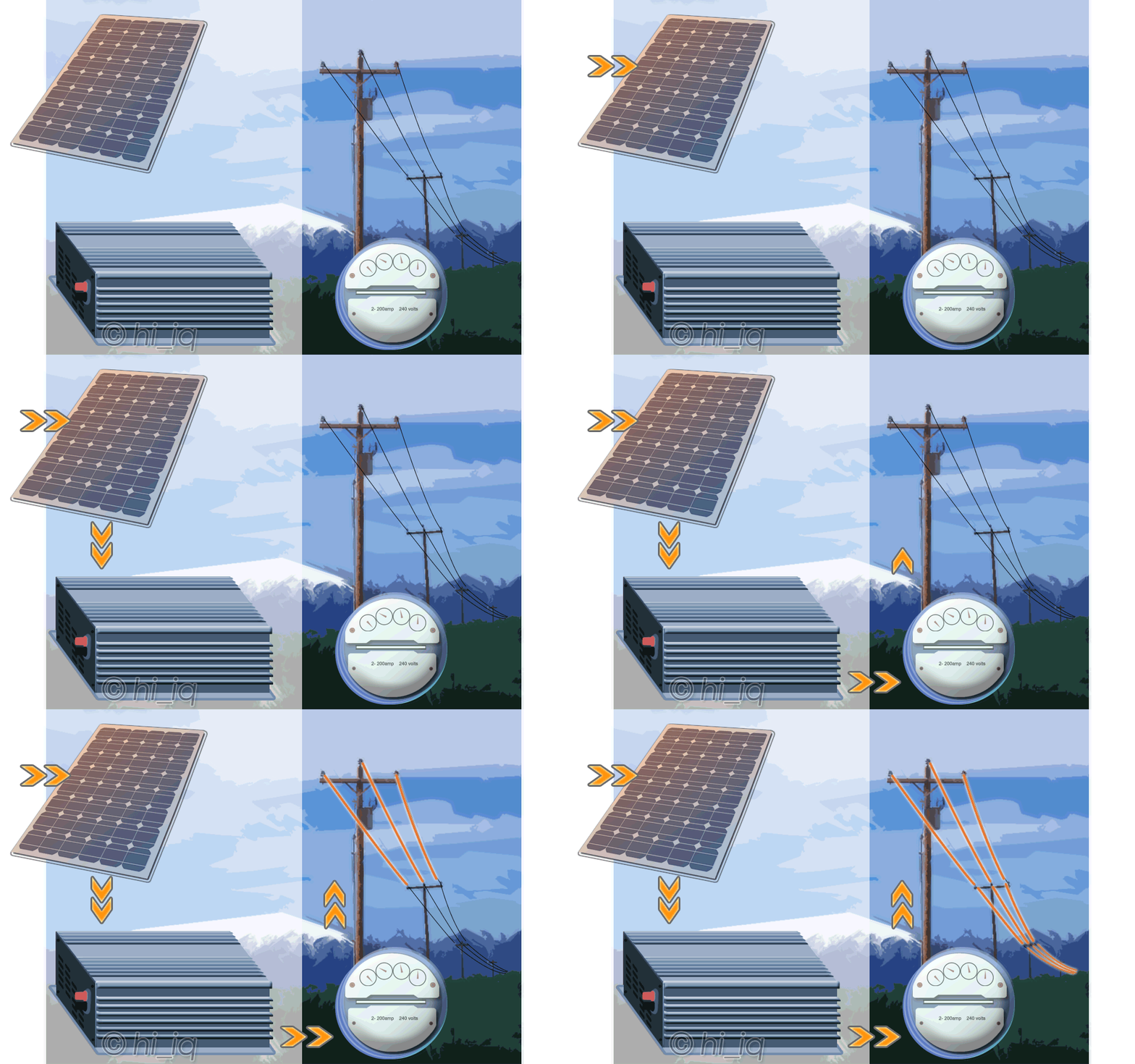
Residential solar panels are one of the hottest technologies on the market right now, with a 119% growth rate in the United States alone! However, this most innovative work of machinery comes with one contention. Solar cells will produce DC electricity, while the national grid is structured by AC electricity. Not only that, but solar panels may not be able to power the entirety of your residential unit, especially during power fluctuations. So how can we integrate this technology to achieve technological feasibility? Well, instead of just giving up, let’s be proactive and use our engineering mindsets to solve this problem. Fundamentally, we need some sort of component that can take in DC electricity and convert it into AC electricity. Well, thanks to the hard work of many researchers, a device known as a grid-tied inverter has been produced for this need. Grid-tied inverters will take the direct current electricity generated and convert it into alternating current electricity in sync with the surrounding grid. This technology is not only environmentally but economically green since any excess electricity generated will be sent over the grid, in which the local electric company will be obligated to remunerate you for the electricity being generated. Furthermore, if your housing unit is in need of electricity, then it will be able to siphon energy from the larger grid to complete your needs. There is one drawback to grid-tied inverters however. Due to the connected nature of the technology, when there is a grid blackout, and no micro-grid is present, your solar cells will be shut down as well, impeding a true self-sustaining system.

Green rooftops

Green rooftops

Green rooftops

01/01/16

“How can we fix the problems of conventional rooftops while simultaneously making them friendlier for the environment?”
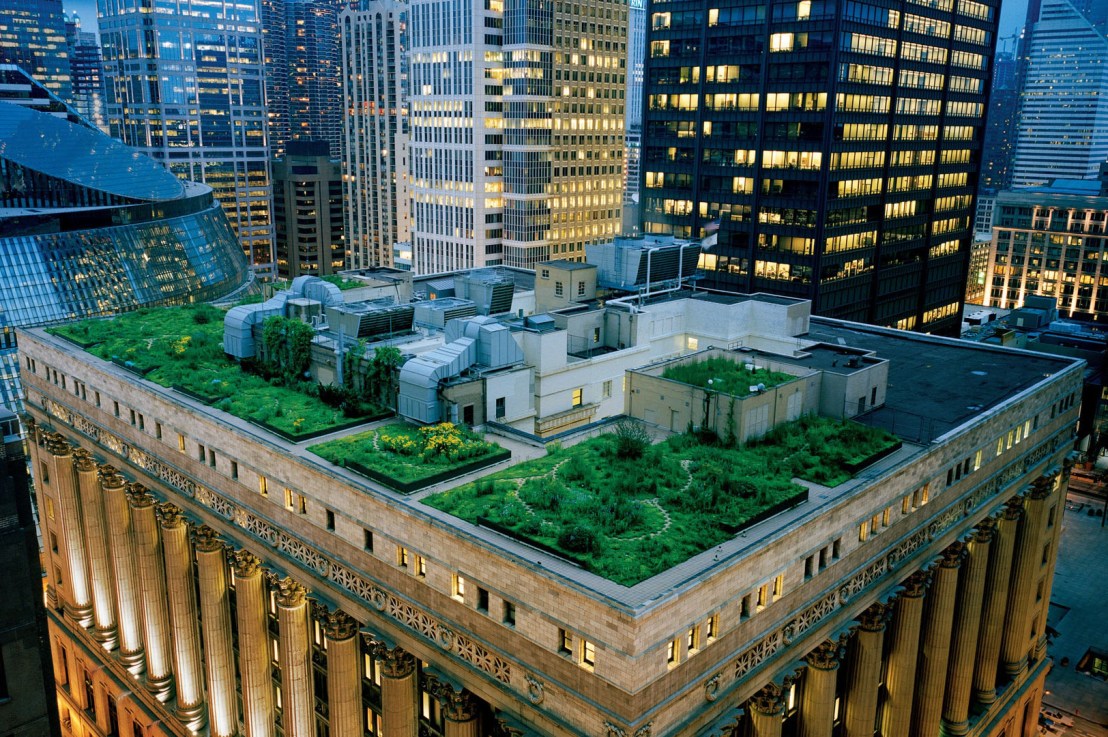
Traditional rooftops, while useful for insulating us against the hazardous external world, have many drawbacks associated with them. They can get hot in the summer, get moist during the rainy season, and can sometimes be unpleasant to look at. These grievances look like the perfect sort of job for an engineer to solve. To start, we should address the primal causes of the heating and water runoff. What sort of material would be capable of countering these effects? Well, if we look hard enough, then we would be able to discover that plant matter itself would be a perfect substitute. Think about it, they can absorb water, heat and are rather aesthetic. Now, let’s go a step further, and create a green rooftop by covering the surface of our roof with plant matter. Green rooftops can twice as long as traditional rooftops, absorb harmful UV radiation, and provide far superior cooling for hot summer days. There are two types of green rooftops: intensive and extensive. Intensive roofs contain far more developed vegetation, while extensive units are lighter and less complex. A most stalwart example of a green rooftop is the Chicago City Hall (pictured), which combines both types of roofing