“How can we make an electricity tariff that becomes progressively cheaper as you use more energy?”
Charging less for increased energy consumption makes sense in many cases such as incentivizing renewable energy production. One way to accomplish this is to use a tariff structure in which energy consumption amounts are divided into discrete blocks and each succeeding block of energy used is cheaper. These Block Rate Tariffs can be implemented by utilities to accomplish their infrastructure and market goals.
“How does a flat rate work for electricity usage?”
Utilities produce revenue through electricity tariffs. Although not the simplest, another simple type of tariff is the Flat Rate Tariff. Despite the name, these tariffs still charge in proportion to electricity usage. Rather, they are called flat rate since they do not discriminate based on time of use. What differentiates flat rate tariffs from simple tariffs is that they can distinguish between different types of consumers, such as residential or commercial. The advantages of flat rate tariffs is their simple implementation, while their primary drawback is their inability to incentive different times of use, a necessity to mitigate the duck curve.
In order for energy companies to survive, they need to find a way to charge money for the energy they produced. This is usually done through an Electricity Tariff. The most simpletype of electricity tariffs is known as Simple Electricity Tariffs. These tariffs simple charge money in direct proportion to energy consumed. The advantages of this is that it simple, easy to understand and implement, and directly responds to how much electricity is used per-capita. However, the drawbacks is that these tariffs cannot be tailored to specific group’s needs, which can lead to higher cost, provides no incentive to consume more electricity, and if no electricity is purchased during the month then the utility can die.
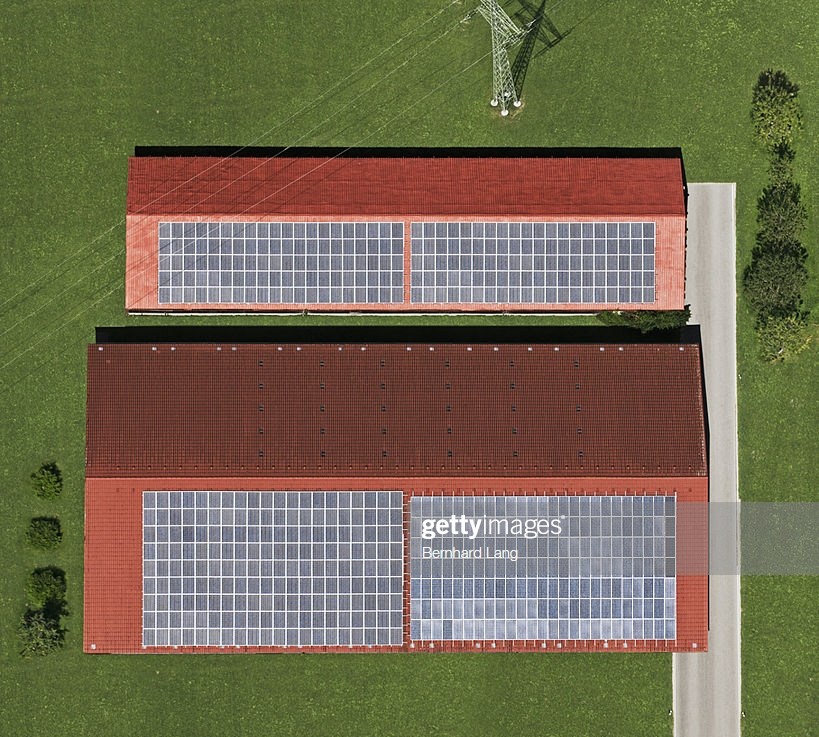
“How can rooftop solar be utilized for the grid’s needs?” Rooftop solar is one of the fastest growing types of distributed energy resources. However, right now they are only used to provide power to the buildings of the owner. But what if we could use that extra energy to provide power for the grid? This would increase grid flexibility and allow for further decarbonization. This is How Rooftop Solar Can Be Used a Grid Resource.
“How can a large-scale power outage occur from just a single component failure?”
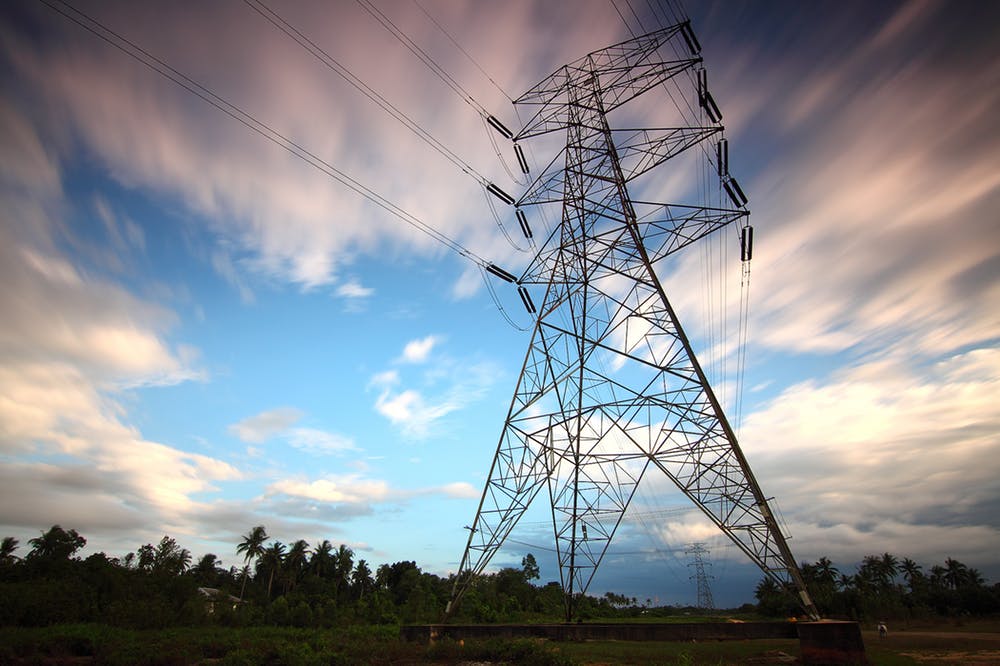
The modern power grid is a feat of human ingenuity. One of the most interconnected systems in existence, it allows for terawatts of power generated to reach millions of consumers. However, this great interconnection comes with one drawback. If even one component fails, then the additional stress on other parts can cause more failures which can cascade until a completed blackout occurs. These Cascading Power Failures are a utility’s bane and resilience strategies must be developed to counter the probability of these events.
How LiDAR Can Be Used for Risk Assessment of Plant Overgrowth near Power lines
04/04/19
“How can we use LiDAR to prevent utility line failure from plant overgrowth?”
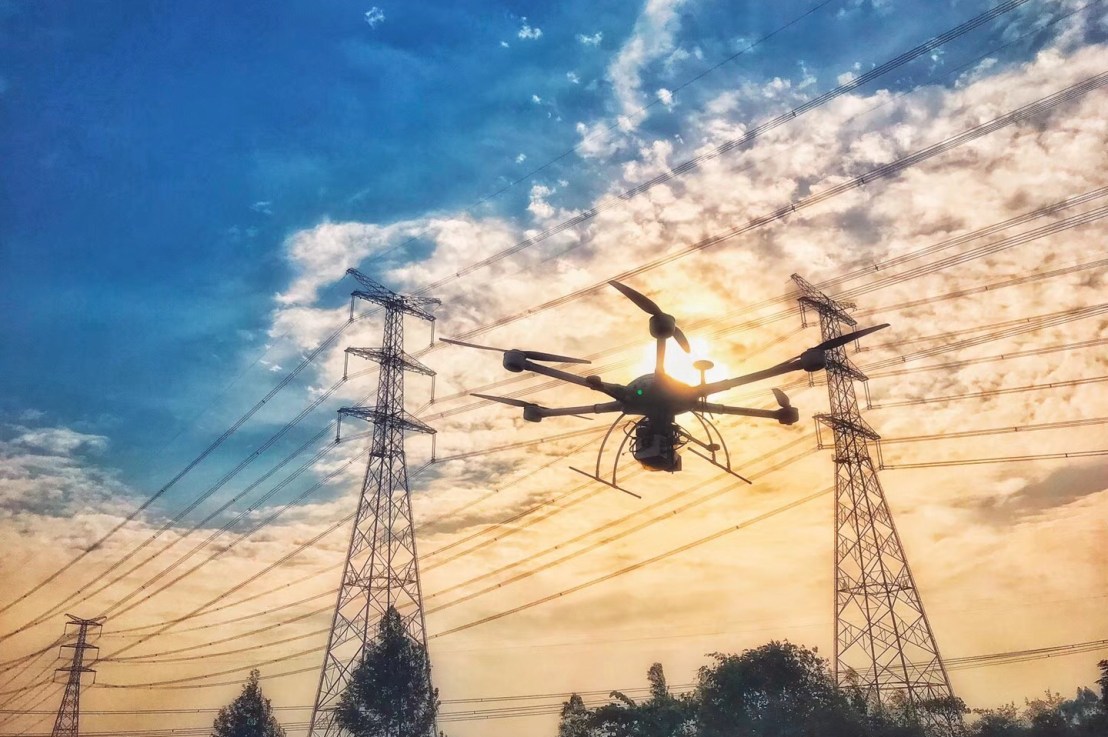
When there is too much foliage near a power line, the potential for fire can vastly increase. This means that utility companies will need to continuously monitor their transmission assets to build resilience. This can be extremely expensive to carry out and may not be within the reach of many company’s portfolios. However, what if we could use newer technology to solve this problem? Well, LiDAR has the ability to measure distances between objects and record them into real-time data. And we also know that drones can be used for autonomous scouting operations for a low financial overhead. So what if we were to hook up LiDAR to a drone and use it to monitor a transmission line trail? Well, this is How LiDAR Can Be Used for Risk Assessment of Plant Overgrowth near Power lines. Utilities in California should take note due to the dry conditions causing fertile conditions for forest fires and the close proximity of Silicon Valley.
What Does the Energy Community Mean by “Behind the Meter”?
03/30/19
“What exactly does the term “Behind the Meter” mean?”
The term “Behind the Meter” is tossed around in the energy community a lot. However, what exactly does the industry mean by this? Well, when utility company companies sell their services, they typically use a meter to keep track of the amount sold.So when a customer does something to modify this, it is “Behind the Meter” so to speak. Installing generation by the meter could simply be attaching solar panels to a roof, and reducing consumption behind the meter might just come from an energy efficiency upgrade.
Should California Only Important Electricity Through HVDC Lines During the Rainy Season?
03/28/19
“Should California only import high voltage electricity from other states at certain times of the year?”
California has ambitious plans with renewable energy. Not only is it the leading market in the United States, but plans to completely decarbonize its energy grid by 2045! However, this may require importing wind energy from Wyoming and Hydropower from the Pacific Northwest. The most efficient way to do this is to use HVDC lines with low levels of resistive losses. However, with the advent of climate change, California is experiencing much more and longer periods of drought. This creates fertile conditions for fires, which can be easily triggered in the case of a power line fault. Given that HVDC lines are at such high voltages, a single slip from one can cause intensive damage. As a result, it might be wise for California to only import electricity during the rainy season. Doing this will increase resilience protection and help stabilize the grid during the less sunny winter days. Since wind and hydro resources are also more plentiful when it rains, it would be a great way for other states to offset their surpluses during this time. This might be unnecessary if advanced fault detection and diagnostic technologies are used, but only studies will be able to say for sure!
How to Properly Use Distributed Energy Resources for Resilience
03/18/19
“How should we use distributed energy resources to build resilience?”
Distributed energy resources such as solar and wind energy are shaping up to be the next dominant paradigm in energy. And one of their most touted benefits is the increased resilience that they will bring. However, research has shown that this will only occur if they are deployed in a careful manner. This means that they will need to be planned to provide backup to vulnerable transmission lines, relieve congestion, and be placed under control of grid operators. This is How to Use Distributed Energy Resources for Resilience.




 Isaac's Science Blog