Tag: Electrical Engineering

Electrostatic Precipitators

Electrostatic Precipitators

Electrostatic Precipitators

12/25/17

“How can we remove fine particles from a gas without contact?”


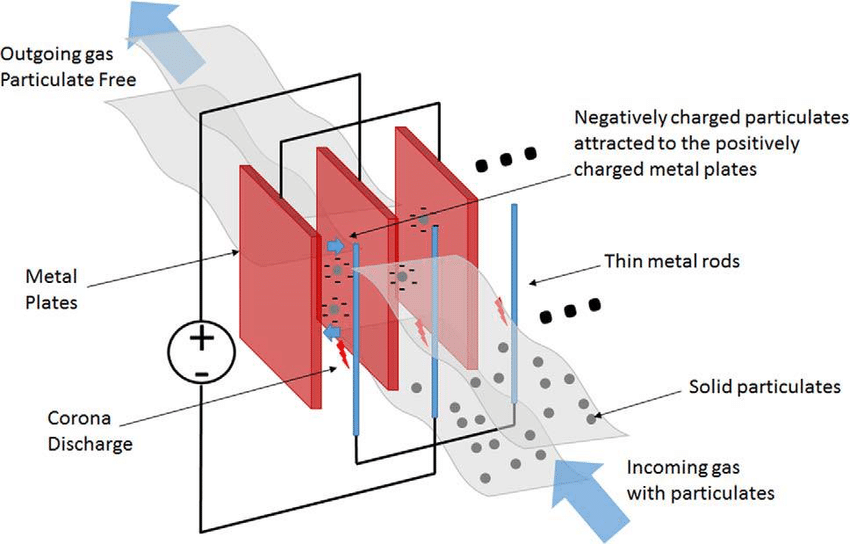
When a gas is being transported for use, it often has many fine particles (such as dust and smoke) attached, which can induce health issues. Traditional methods of removing these particles involve using physical barriers to filter out all particles. However, this has the effect of disrupting the flow of the gas. So how can we use our engineering mindset to solve this problem? Well, we know that from fundamental physics that there are two types of forces (contact and distance). And we also know that the latter can be caused by either gravitation, electrical, or nuclear interactions. And these fine particles in the gas are susceptible to become polarized and become at the whim of electromagnetic interaction. So what if we were to simply implement electromagnetic plates perpendicular to the flow of a gas, and suck up all of the fine particles while keeping the gas itself intact? Well, this is the fundamental idea behind Electrostatic Precipitators and are used in industries all around the world.

California Title 24

California Title 24

California Title 24

12/17/17

“What is the official building energy efficiency standard for California?”


In the U.S, most building efficiency standards are regulated by ASHRAE 90. However, some states go a little bit further with their regulations. In California, a series of codes known as Title 24 is the law of the land. Title 24 contains all of the specifications that a construction firm must consider before going through with a project. These include a requirement for LED lights, motion sensors for buildings, a specified minimum reflectivity for roofs,  electrical service panels for disaggregated measurement, and many other variables. California Title 24 is updated every 3 years such that the next set of rules saves more energy than the last.

Electric Sub-Panels

Electric Sub-Panels

Electric Sub-Panels

12/15/17

“How can we distribute electricity in a larger building?”


Electrical service panels are ubiquitous in integrating an edifice to the grid. However, sometimes a building unit can become too large for just one subpanel. However, what if instead we were to just hook up a smaller panel to the larger one? Think of it like attaching a multi-plug to an outlet. These Electric Sub-Panels can now be found in built environments all over the world.

Electrical Service Panels

Electrical Service Panels

Electrical Service Panels

12/14/17

“What connects a house to the grid?”


Electricity from the grid has made modern living much better, whether it be in the lights that allow us to stay up late into the night, the HVAC systems that keep our place cool, or the energy that powers our computers. However, what exactly connects these services to our built environment? Well, let’s use our engineering mindset to think of it.


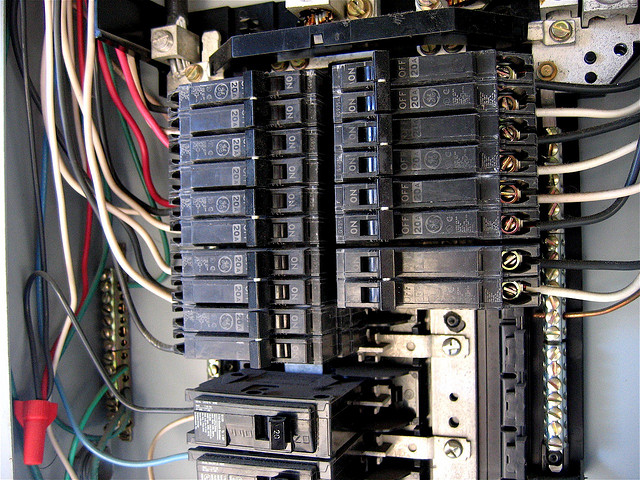
First, we will need a central location to keep all of the connecting circuits. This will allow us to centrally deliver power throughout a unit. We must also keep in mind that a circuit overload may occur, in which case circuit breakers will be attached. Now let’s place all of these in a central frame, making a device called an Electrical Service Panel. Electric Service Panels are one of the foundations of modern home energy systems and can be found in nearly every grid-connected building.

Disaggregated Measurement

Disaggregated Measurement

Disaggregated Measurement

12/11/17

“How does California specify how all building loads must be measured?”


Most areas of the developed world have stringent building energy standards that include analysis for measurement. And as such, California is no exception. But it does so in a very special way. California title 24 (the building energy codec) stipulates that all new buildings must sort their energy loads (HVAC, lighting, etc.) into discrete piles in a method known as Disaggregated Measurement. This way, each subset can be monitored for its energy consumption.

Nonintrusive Load Monitoring

Nonintrusive Load Monitoring

Nonintrusive Load Monitoring

11/26/17

“How can we determine the appliances in a building just from its energy consumption?”


As Engineers, it would be very useful to analyze the types of appliances within a building. However, doing so requires a heavy upfront investment in a large multitude of sensors.


Or does it?


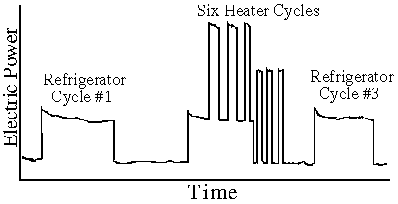
After many years of research, Engineers and Scientists have developed a method known as Nonintrusive Load Monitoring, which takes in data from a building’s energy uses, parses out all of the patterns, and recognizes which appliances are in the unit. Although novel and affordable, one serious drawback with this technology is privacy concerns, since large organizations will be able to snoop in on the appliances that an individual possesses.

Fault Detection and Diagnosis

Fault Detection and Diagnosis

Fault Detection and Diagnosis

11/25/17

“How can we monitor a facility for component breakdowns?”


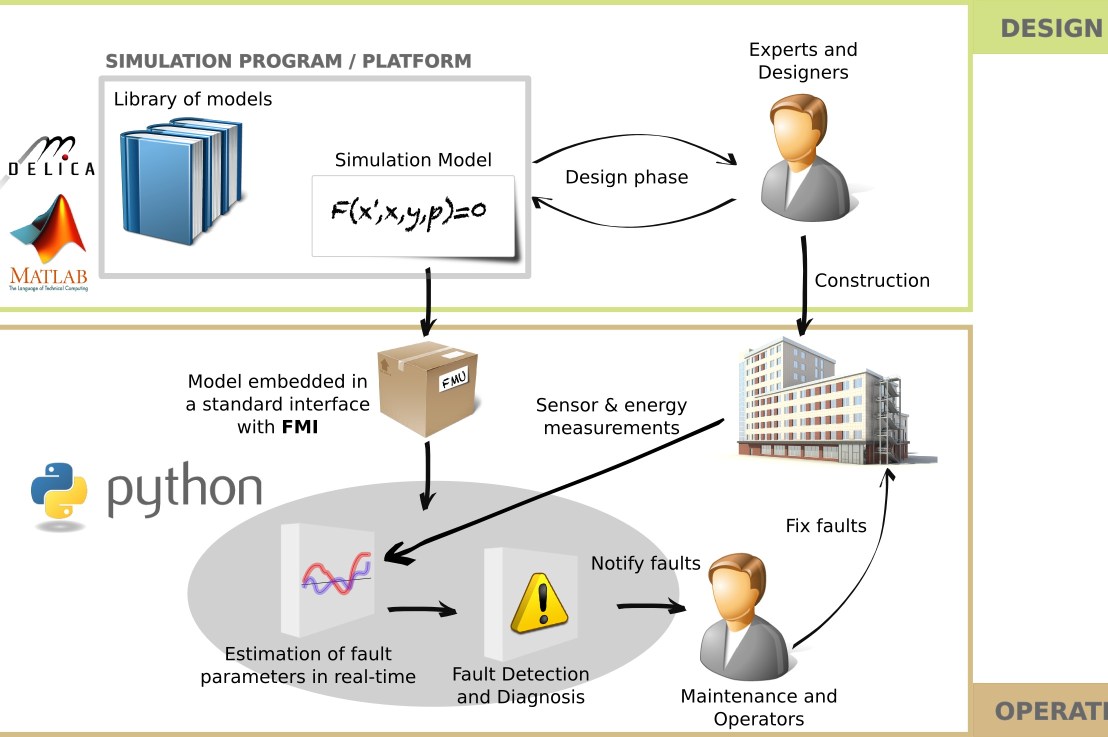
When running industrial facilities, components are very prone to failure, which can cause large amounts of money and energy to be wasted. So how can we make sure that these facilities are protected from such failures? Well, what if we were to implement a network of sensors that would collect data from a facility, which would then be parsed through algorithms. If any of this data finds any strange patterns, it can sort out the underlying cause and solve any issues. This technology is known as Fault Detection and Diagnosis and is one of the most fascinating facets of industrial operations management.

Intelligent Electronic Devices

Intelligent Electronic Devices

Intelligent Electronic Devices

11/03/17

“How can we control circuit elements using microprocessors?”


Electronic circuits are the bloodlines that power modern infrastructure. However, these elements have been traditionally controlled in a non-centralized manner, hampering efforts for growth. So how can we use our engineering mindset to solve this problem? Well, what if we were to simply implement microcontrollers to take in information from sensors and actuate on commands, such as breaking a circuit? Well, this is the idea behind Intelligent Electronic Devices and are quickly becoming an important component of industrial control systems.

Industrial Control Systems

Industrial Control Systems

Industrial Control Systems

10/26/17

“How can we control industrial processes?”


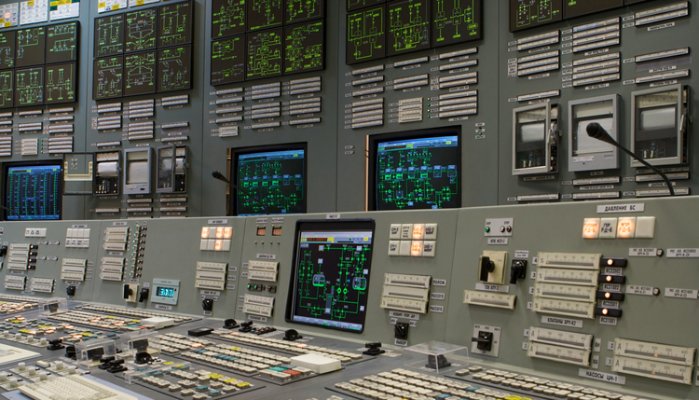
In Industrial operations, we often have to deal with large-scale control systems along with their instrumentation. Because of this, we will need to develop various types of special control systems to monitor and process everything. These constructions are known as industrial control systems and are one of the major underpinnings of modern-day industry.