Tag: Civil Engineering

Radiators

Radiators

Radiators

11/01/17

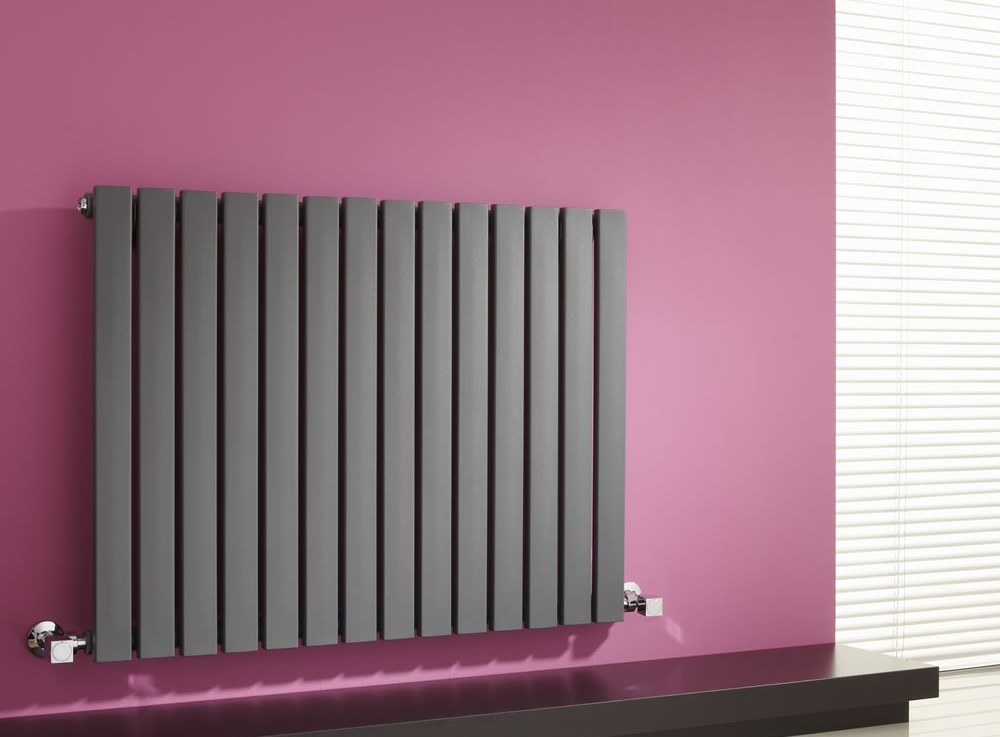
“How can we achieve radiative heating?”


Radiative heating has a plethora of energy and ergonomic benefits. However, how can we put this idea into practice? Well, we know that we can use heat exchangers to transfer heat from one medium to another. So what if we were to simply build a specialized model to transfer heat to the surrounding atmosphere? Well, this mechanism is known as a radiator and has become one of the most common HVAC appliances in the world.

Heat-only Boiler Station

Heat-only Boiler Station

Heat-only Boiler Station

10/28/17

“How can we provide hot water for district heating?”


District heating is world-renowned for its ability to provide large urban communities with the heating that they need. However, how exactly can we provide them with the water that they need? Well, what if we were to have generators that instead of generating electricity would generate hot water? Well, this is the idea behind a Heat-only Boiler Station and is one of the prime elements in modern-day district heating systems

Energy Management Information Systems

Energy Management Information Systems

Energy Management Information Systems

10/19/17

“What is the future of building energy information gathering?”


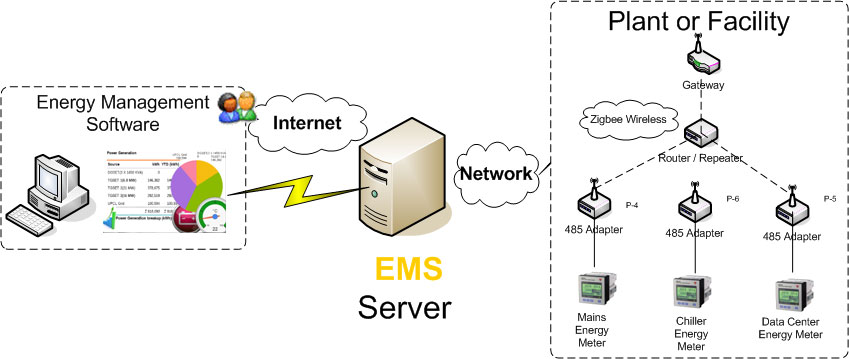
If we can know the energy consumed by a building, then we could learn and do a lot. We can observe any energy-related anomalies, or at what times are our peak usage. To streamline this, we can implement something called an Energy Management Information System, or EMIS. EMIS’ can store and analyze building energy data through a collection of hardware sensors, data in computer banks, and data from the web. From here, we can then take action, and truly optimize our operations!

Economizers

Economizers

Economizers

10/17/17

“How can we combine preheating and heat exchangers into one device?”


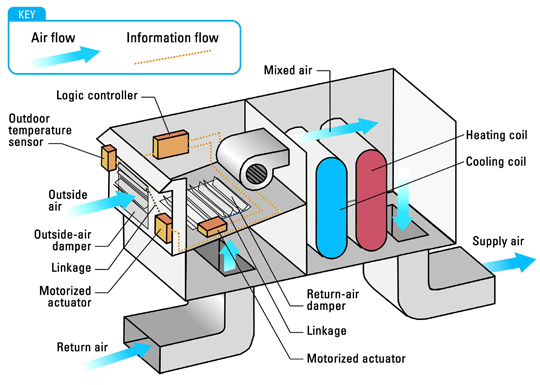
Preheating is very useful for reducing the energy needed to change a substance’s temperature. In addition, heat exchangers a very efficient way to exchange heat between surrounding fluids. So what if we were to combine these two mechanisms? This is the fundamental idea behind devices known as economizers, which have become a commonplace in homes all over the world.

LEED certification

LEED certification

LEED certification

10/15/17

“How can we quantify the sustainability of buildings?”
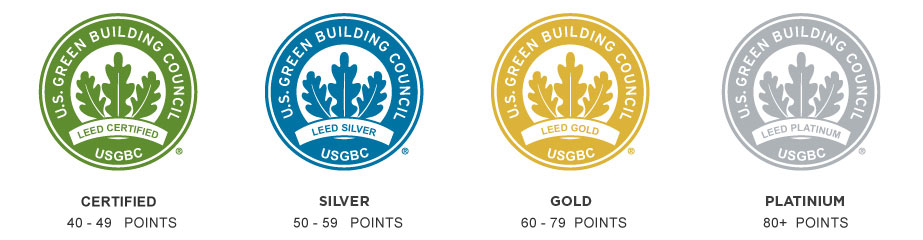
Buildings are amongst the most important facets of our civilization. Because of them, we can live, work, and play freely. But like most things created by humans, they take up environmental resources. And since we want to be as sustainable as possible, we need some way to measure the environmental impact of each building. That’s why the United States Green Building Council has developed a certification system called LEED. LEED works by giving “points” for each sustainable activity the building does, whether it be brownfield redevelopment energy optimization, or using regional materials. Based upon these points, the building may be awarded a LEED certification (with levels specified by the figure) and become eligible for incentives such as tax credits. Because of the system’s success, numerous countries around the world have expressed interest in the system, including the rapidly developing India and China.

Grid Resilience

Grid Resilience

Grid Resilience

10/10/17

“How can we measure how resilient the grid is?”


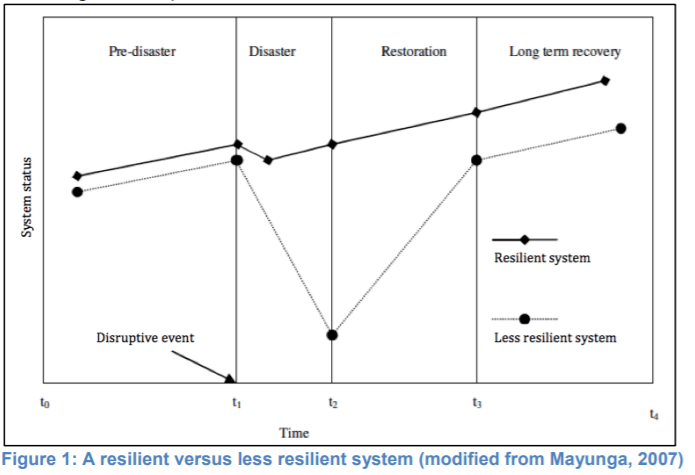
Grid reliability is a great way to measure the stability of the grid. But unfortunately, it does not give us the complete picture. When a grid systems experience are taken down, they need time to recover. The less time it takes, then the more resilient a grid will be. Taken the two systems in the picture for example. When the bottom one experiences a disruption,  not only will it need a long time to recover but it does not reach close to its full potential again. In contrast, the top one only experiences a brief hiccup and quickly flows back to normal. This measure is called Grid Resilience and is an important part of the analysis of electrical systems.

Grid Reliability

Grid Reliability

Grid Reliability

10/09/17

“What is one is one measure of how functional the grid is?”


The grid is one of the most important works of engineering to society. Nearly every facet of our modern lives depends upon it, whether it be using energy to warm our homes, the plug-in wifi hotspots to communicate with our friends, or even keeping the food stored in our refrigerators cold. Since it is important, we must use our engineering mindset to keep track of how stable this system is. One way to do that is to introduce a measure called Grid Reliability, which is the ratio of the times when the grid is functioning to not functioning. With this tool, we can see which parts of the grid need assistance and why.

Damp Proofing

Damp Proofing

Damp Proofing

10/08/17

“How can we prevent moisture from seeping into a building?”


Many people around the world live in very damp places. In such locations, moisture often seeps into interior spaces, causing great discomfort and sanitary issues to the people who love inside. So how can we use our engineering mindset to solve this problem? Well, what if we were to insulate our buildings with materials that could resist the passage of water? Well, this is the idea behind damp proofing and is a very vital service for many people in this world.

Superinsulation

Superinsulation

Superinsulation

10/07/17

“How can we use insulation to maximize a building’s temperature inertness?”


If you live in an environment where the daily temperature can change very rapidly such as the Midwestern United States, you might want your home and office to be as thermally inert as possible. So how can we use our engineering mindset to solve this problem? Well, we know that if we use insulation then a building’s temperature will be more stable. So what if we were to just maximize our insulation to the limits? This is the idea behind superinsulation and is a new approach and radical approach to building design.