Tag: Civil Engineering

Designing Passive Houses for Climates With Hot Dry Summers and Cool Winters

Designing Passive Houses for Climates With Hot Dry Summers and Cool Winters

Designing Passive Houses for Climates With Hot Dry Summers and Cool Winters

06/07/23

“How can we design passive houses for climates with hot dry summers and cool winters?”

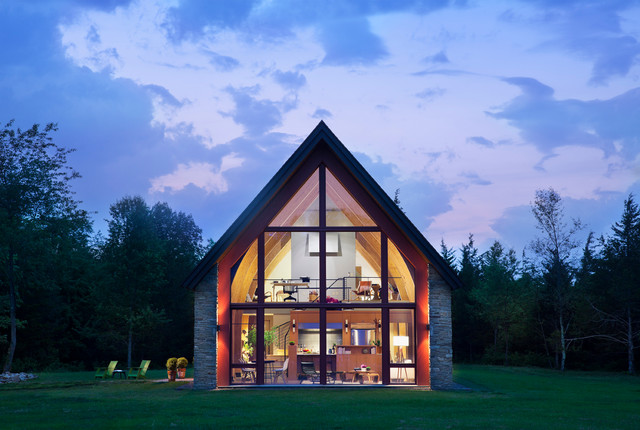
Passive houses are as varied as the climates they inhabit. For places with hot dry summers and cool winters, there will be a lot of similarities between those with hot dry summers and warm winters. The key difference will be that heating systems must be better developed. This is how we can go about Designing Passive Houses for Climates With Hot Dry Summers and Cool Winters.

Image credit: images.squarespace-cdn.com
Designing Passive Houses for Climates With Hot Dry Summers and Warm Winters

Designing Passive Houses for Climates With Hot Dry Summers and Warm Winters

Designing Passive Houses for Climates With Hot Dry Summers and Warm Winters

06/06/23

“How can we design passive houses for climates with hot dry summers and warm winters?”

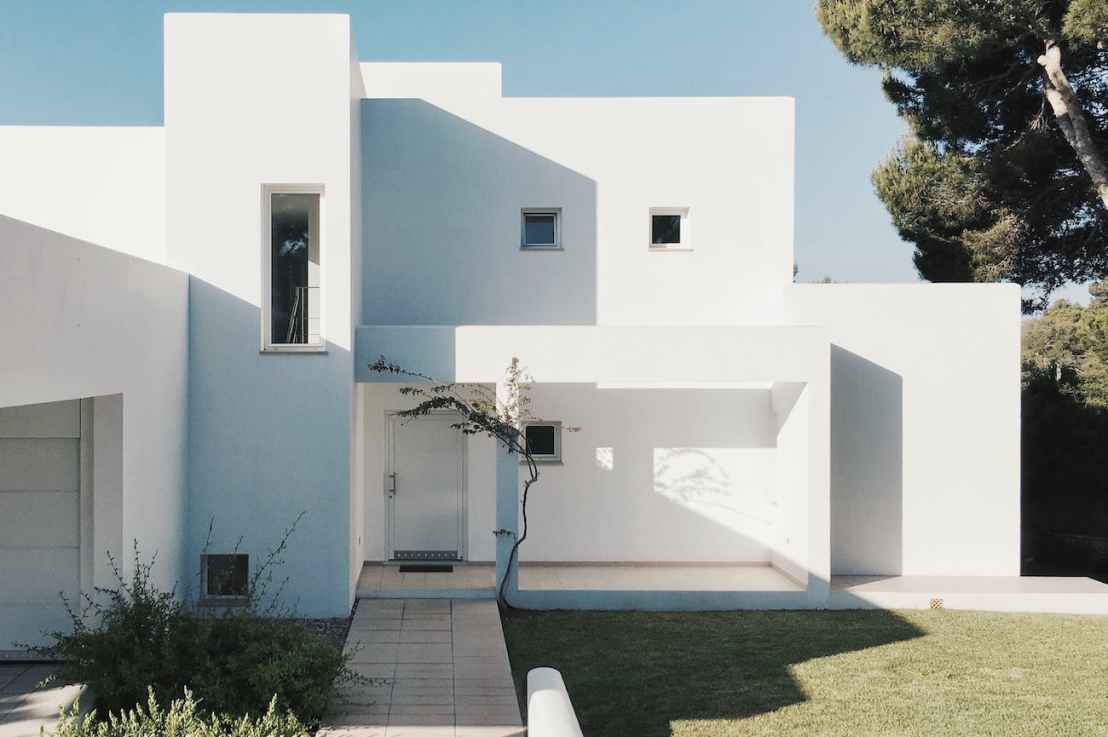
Getting a house to achieve passive standards requires tailoring it to its local environment. For places with hot dry summers and warm winters, this will entail making design choices that reflect the need to significantly cool the place in the summer and withstand moderate rain and lower temperatures in the winter. Possible avenues include using shading to keep out the sun in the summer and in the winter, utilizing evaporative cooling, and sealing air spaces. This is just scratching the surface of the intricacies of Designing Passive Houses for Climates With Hot Dry Summers and Warm Winters.

Designing Passive Houses for Climates With Warm Humid Summers and Mild Winters

Designing Passive Houses for Climates With Warm Humid Summers and Mild Winters

Designing Passive Houses for Climates With Warm Humid Summers and Mild Winters

06/05/23

“How can we design passive houses for climates with warm humid summers and mild winters?”

Passive houses are a feat to behold. But their intricate nature requires them to be designed around the climate they inhabit. For climates with warm humid and mild winters, many lessons can be taken from passive houses in hot humid summers and warm winter climates. This includes using well-thought-out cooling systems and strong ventilation design. However, warming technology may also have to be in place during cold bouts in winter. These are some of the ways we can approach Designing Passive Houses for Climates With Warm Humid Summers and Mild Winters.

Designing Passive Houses for Climates With Hot Humid Summers and Warm Winters

Designing Passive Houses for Climates With Hot Humid Summers and Warm Winters

Designing Passive Houses for Climates With Hot Humid Summers and Warm Winters

06/03/23

“How should we design passive homes for climates with hot humid summers and warm winters?”

Passive houses need to be designed specifically for the climate they inhabit. Climates with hot humid summers and warm winters provide an interesting challenge. These tropical regions are rarely if ever cold, and don’t have noticeable weather variations between seasons or even within a single day. Effective cooling is going to be the main focus of this design. Strong ventilation with proper insulation for keeping cooled air in and hot air out is a necessity. Light colors on roofs and walls as well as planted spaces will keep out the heat. These are just a few of the ways we can think about Designing Passive Houses for Climates With Hot Humid Summers and Warm Winters.

Why Passive Houses Need to Be Specifically Designed With Local Climatic Conditions in Mind

Why Passive Houses Need to Be Specifically Designed With Local Climatic Conditions in Mind

Why Passive Houses Need to Be Specifically Designed With Local Climatic Conditions in Mind

06/02/23

“Why do passive houses need to be specifically designed with local climatic conditions in mind?”

Passive houses rely on natural lighting and heating/cooling strategies to achieve incredibly efficient and comfortable homes. This means that the local environment has to come into play. To illustrate, homes in high-temperature environments will need to take advantage of multiple cooling strategies, while those in lower-temperature zones will need to have thick insulation. This is Why Passive Houses Need to Be Specifically Designed With Local Climatic Conditions in Mind.

Image Credit hzcdn

Why Passive Houses Require High-Quality Windows

Why Passive Houses Require High-Quality Windows

Why Passive Houses Require High-Quality Windows

06/01/23

“Why do passive houses require high-quality windows?”

Passive houses are incredibly comfortable homes with very efficient energy performance. Achieving this requires tackling multiple components of a home. One of these is the windows. In order to complete a passive house, the windows must meet a very strict energy efficiency performance standard that can be met only with high-quality windows. This is Why Passive Houses Require High-Quality Windows.

Train Repair Financing

Train Repair Financing

Train Repair Financing

04/29/23

“How can we finance train repairs?”

Train repairs are an essential part of keeping rail service alive. However, train repairs require financial investment to go through. This Train Repair Financing can be accomplished in a multitude of ways, such as by raising bonds, private investment, and taxes.

Interchange Stations

Interchange Stations

Interchange Stations

04/22/23

“What are transit stations where you change from one route to another?”

Public transportation is a cornerstone of people’s transit lives all over the world. However, sometimes during a transit journey, one has to leave a vehicle on one route and transfer to another. This is accomplished at Interchange Stations. Interchange stations are cornerstones of the modern transit world.

Why Water Sources Are Often Polluted During War

Why Water Sources Are Often Polluted During War

Why Water Sources Are Often Polluted During War

04/12/23

“Why are water sources often polluted during times of war?”

Water is one of the most important resources for people. However, during times of war, sources of water are prone to contamination. This can come from weapon fire into bodies of water, contamination flowing from nearby damaged buildings, and even pressure from displaced populations fleeing to a specific area. This is Why Water Sources Are Often Polluted During War.

As a proud descendant of Jews from Odesa, I urge you to please do what you can to help Ukrainians under invasion right now here.