Tag: Adaptation

Misadaptation

Misadaptation

Misadaptation

05/16/20

“How can climate adaptation be appropriated for nefarious purposes?”


Discussion of climate adaptation and resilience is becoming more apparent in the world. However, just like greenwashing takes place in mitigation, misadaptation can exacerbate climate vulnerabilities for marginalized populations while benefiting privileged ones. For example, building a levee that causing flooding down a river only shifts the climate risks, not mollifies it.

Why Income Redistribution Can Build Climate Resilience

Why Income Redistribution Can Build Climate Resilience

Why Income Redistribution Can Build Climate Resilience

05/10/20

“How could income redistribution help build climate resilience?”


An individual and community’s resilience to climate change can be highly dependent on their assets and income. Since some have much more than they need to survive and many more much less, redistributing some of those can help the latter group better adapt to climate change. This could come in the form of creating funds for more public and mixed-market housing in climate safe-zones or universal basic income. This is Why Income Redistribution Can Build Climate Resilience.

Why Income Will Have a Large Effect on Personal Climate Resilience

Why Income Will Have a Large Effect on Personal Climate Resilience

Why Income Will Have a Large Effect on Personal Climate Resilience

05/09/20

“Why will someone’s income level have a large effect on their personal climate resilience?”


Having more income allows people to withstand shocks to their lives more. And with the advent of Climate Change, many more shocks will be coming, whether it be through managed retreats or wildfire disasters. By logical induction, the amount of disposable income that one has will influence what they can do to cope. This is Why Income Will Have a Large Effect on Personal Climate Resilience.

Why Better Public Transportation Funding Can Help Build Climate Resilience

Why Better Public Transportation Funding Can Help Build Climate Resilience

Why Better Public Transportation Funding Can Help Build Climate Resilience

05/07/20

“Why would better transportation funding help build climate resilience?”


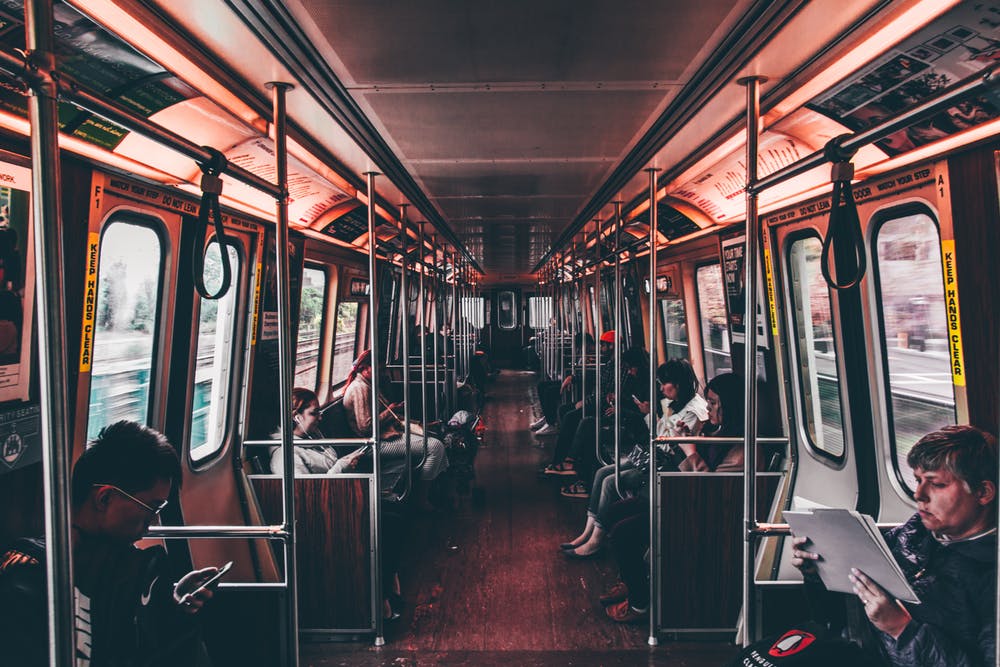
Public transportation is key for numerous communities to move around their communities. This will become especially important when catastrophes occur because of climate change and evacuations may be necessary. However, the capabilities of this infrastructure are dependent on the level of funding it receives. By allowing for more monetary investment into public transit, better quality upkeep can be maintained. This is Why Better Public Transportation Funding Can Help Build Climate Resilience.

Why the 100% Affordable Housing Project at 480 E. 4th Avenue and 400 E. 5th Avenue in San Mateo Would Increase the City’s Climate Resilience Capacity

Why the 100% Affordable Housing Project at 480 E. 4th Avenue and 400 E. 5th Avenue in San Mateo Would Increase the City’s Climate Resilience Capacity

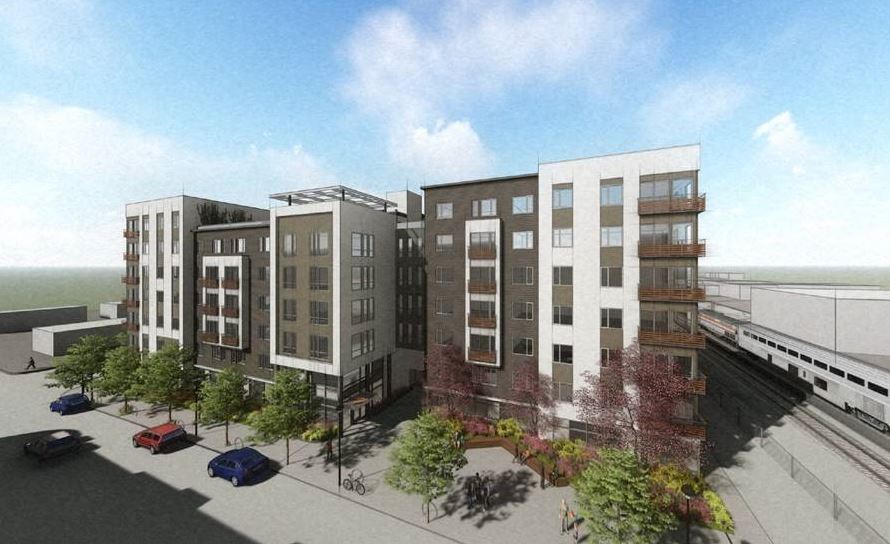
On April 28th, 2020, the City of San Mateo Planning Commission held an online study session looking for community feedback on a proposed project that would bring 225 affordable housing units to the downtown area. I wrote a letter explaining why the project would increase the city’s resilience capacity towards climate change.


To the City and Community of San Mateo, 

My name is Isaac Gendler. I am a Housing-Climate Resilience Researcher whose work is focused on the San Francisco Bay Area. It has recently come to my attention that Downtown San Mateo may soon be a host to a 100% affordable unit project at 480 E. 4th Avenue and 400 E. 5th Avenue. The geographical positioning of the venture would simultaneously make the city a more just, equitable, and climate-resilient place to live for all.

According to Zillow, the median home value in San Mateo is $1,467,184 and the median rent is $3,357. Given that the minimum wage of the city is $15.38, the cost of living is simply out of reach for many people who would be potential upstanding residents. If the proposed project is constructed according to its current specifications, it will contain 225 units of 100% affordable housing, half of which are designated as low and extremely-low income units. This will allow workers and their families of all backgrounds to enjoy the full benefits of living in the city. A city with ample greenery, clean air, and the most comfortable weather in the world.

Not only would this project provide a phenomenal quality of life and a plethora of economic opportunities for these potential residents, but also insulate them from the effects of climate change. If constructed, this project would provide dense transit-oriented housing in a location that would be safe from the ill effects of sea-level rise. In fact, even the most dire climate models predict that by the year 2100 the site will not be negatively impacted. It would also be a secure distance from the wildland-urban interface, ensuring that residents would be spared from wildfires. The units will be constructed to the most current building codes guaranteeing a safe indoor environment to counteract a hazardous outdoor environment, such as wildfire smoke or a global pandemic.  

It is understandable that some residents are concerned and hesitant about these changes. The height of the buildings is above the average San Mateo home, and the architecture may be seen as unfamiliar. However, at this moment we must consider what San Mateo could lose if this project is downsized or even terminated. The city would lose residents to other towns that will most likely not have access to the same level of provided services. They may be forced to super commute over an hour to work, leading to great financial, psychological, and physiological stress.  If San Mateo strives to be a champion of equity and environmental management, this project would be a pragmatic and forward-thinking avenue to pursue.

I endorse this project for the economic and environmental benefits it will bring to both the current and future community of San Mateo. Maps of the project’s positioning against sea-level rise and wildfires can be seen below.

Thank you for your time.

Sincerely,

SignatureSmall


SeaLevelRise.JPG

200 cm sea-level rise map of San Mateo. The location of the project can be seen on the yellow pointer. Mapping courtesy of Our Coast, Our Future (link). 

Wildfire.JPG

Wildland-Urban Interface map of San Mateo. The location of the project can be seen on the black dot. Mapping courtesy of Los Padres ForestWatch (link). 


Header image credit https://www.cityofsanmateo.org/

Climate Insurance Equity

Climate Insurance Equity

Climate Insurance Equity

05/05/20

“Why does equity need to be discussed with regard to climate insurance?”


With the advent of climate change, more and more personal property is going to become damaged and destroyed. New climate insurance programs have already have sprung up to address this occurrence. However, communities that have borne the brunt of systematic discrimination will be at the front lines of climate change and will be unable to pay into many of these systems. Because of this, Climate Insurance Equity will need to come into discussion and be actively implemented.

Urban Forests

Urban Forests

Urban Forests

05/03/20

“How can we have a forest in the middle of a city?”


City parks are a stale of what constitutes a good quality of life by letting residents reconnect with nature. However, cities can take this to a whole new level with Urban Forests. Urban forests are parts of a city that have been completely protected from development and human intrusion. A prominent urban forest in real-life is the Tijuca Forest in Rio de Janeiro, which contains the world-famous Christ the Redeemer statue and 32 km² (12.4 mi²) of greenery. Urban forests will become more critical in the new climate paradigm, where their ability to absorb groundwater discharge and lower ambient temperatures will build greater resilience capacity.

Climate Gentrification

Climate Gentrification

Climate Gentrification

05/01/20

“How will climate change spur new forms of gentrification?”


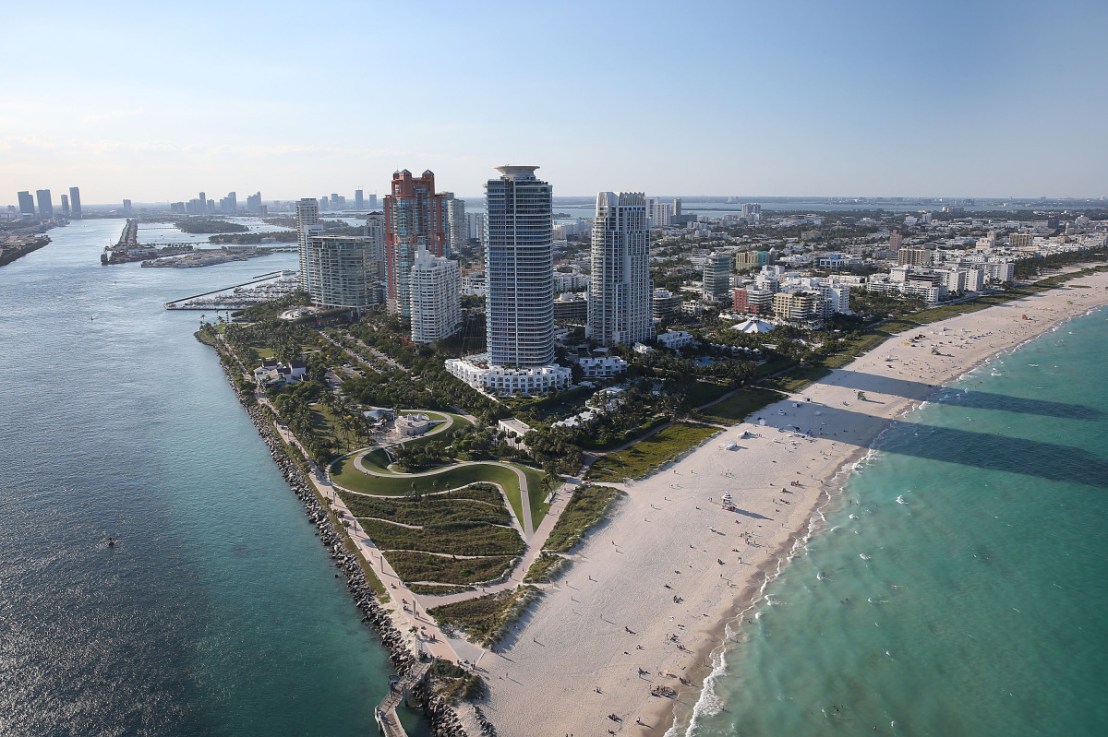
Climate change is already causing mass migrations around the world as less and less habitable spots become available. If a lower-income community inhabits a particularly safe spot, then predatory forces may want to push them out to make a profit. This Climate Gentrification can be seen in Little Haiti in Miami, where real-estate prices in the neighborhood have been skyrocketing in recent years due to its higher elevation and resilience to climate change.

Image credit grist.files.wordpress.com

Why Affordable Housing Streamlining Would Help Build Climate Resilience

Why Affordable Housing Streamlining Would Help Build Climate Resilience

Why Affordable Housing Streamlining Would Help Build Climate Resilience

04/28/20

“How would affordable housing streamlining help build climate resilience?”


With more affordable housing built in safe areas, people of all income levels will be able to live away from the most horrendous effects of climate change. However, the pipeline process for building affordable housing can be extremely difficult. If this is reformed, then more climate-resilient housing will be available for use. This is Why Affordable Housing Streamlining Would Help Combat Climate Change.