Category: Urban Systems

New Metro Train Car Design

New Metro Train Car Design

New Metro Train Car Design

12/11/22

“How do metro organizations design new transit cars?”

Metro organizations work on updating their transit cars when the time comes for it. The entire phase begins with New Metro Train Car Design. New cars are designed for system needs and capacities, looking over variables such as speed, aerodynamics, cost, and rail system. The design phase will set the tone for the rest of the project.

New Metro Train Car Testing

New Metro Train Car Testing

New Metro Train Car Testing

12/10/22

“How do metro organizations test new transit cars?”

The state of the art of metro cars advances each year. To keep up, metro transit organizations new to bring new train cars into their fleets. However, they must be tested to ensure they work as intended. This process can include wind tunnel testing, HVAC system checks, propulsion calibration, and more. New Metro Train Car Testing is a vital part of making transit systems as safe and efficient as possible.

Why the U.S Federal-Aid Highway Act of 1956 Was Racist

Why the U.S Federal-Aid Highway Act of 1956 Was Racist

Why the U.S Federal-Aid Highway Act of 1956 Was Racist

10/09/22

“Why was the U.S Federal-Aid Highway Act of 1956 racist?”

In 1956, the United States Congress passed the Federal Highway Act. This act allocated 25 billion USD for the design and construction of 66,000 km (41,000 miles) of the interstate highway system with a timeframe of 10 years. Since highways cut off and pollute surrounding neighborhoods, these highways were routed through neighborhoods of color (especially Black majority ones) to keep the residents segregated and disenfranchised. The impacts can still be seen to this day, where wall-like highways surround Black and Brown neighborhoods such as West Oakland. This is Why the U.S Federal-Aid Highway Act of 1956 Was Racist.

Water Rights

Water Rights

Water Rights

12/06/22

“How do some governments determine who was a right to water?”

Who has the right to use water can be a contentious question. Whoever controls water can determine if it’s to be used for agriculture, industry, recreation,  preservation, and more. To conceptualize this, many governments have codified Water Rights into their laws. Water rights determine the right of a user to use a body of water. Different water rights systems in the United States include riparian, appropriative, and pueblo rights.

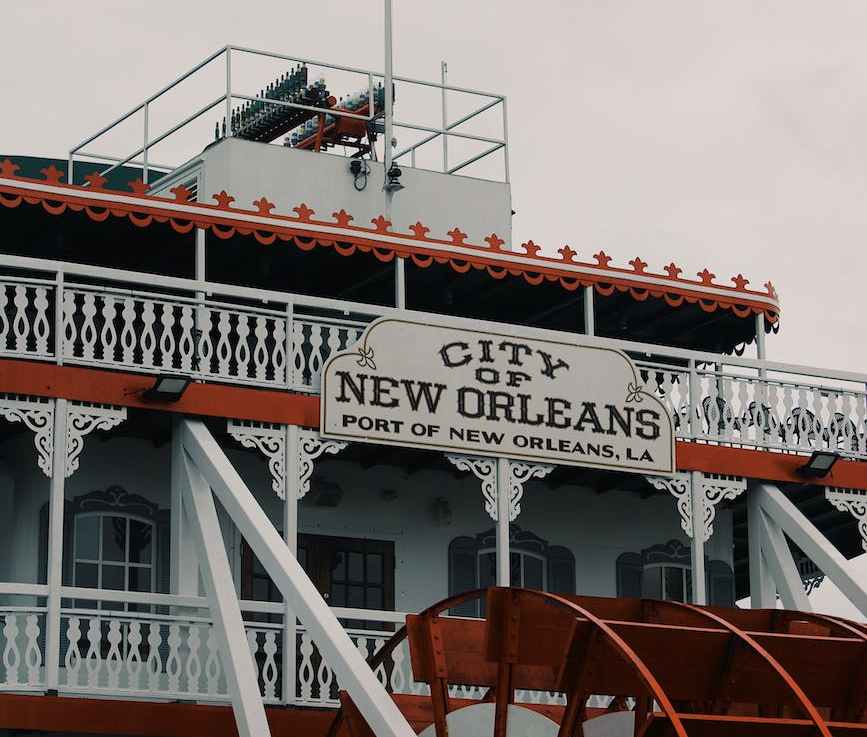
Louisiana Water Body Ownership

Louisiana Water Body Ownership

Lousiana Water Body Ownership

12/04/22

“What determines if a water body in the U.S state of Louisiana is public or private?”

Louisiana was a French and Spanish colony until it entered the United States in 1812. Before this time, all navigable water bodies were deemed to be for the public’s benefit. Once it became a state, all water bodies that were navigable by 1812 were still considered public property, but water bodies that became navigatable after were now considered private. This is what determines Lousiana Water Body Ownership.

Why Climate Migration Planners Can Learn From Earthquake Disaster Response Experts

Why Climate Migration Planners Can Learn From Earthquake Disaster Response Experts

Why Climate Migration Planners Can Learn From Earthquake Disaster Response Experts

12/03/22

“Why can climate migration planners learn from earthquake disaster response experts?”

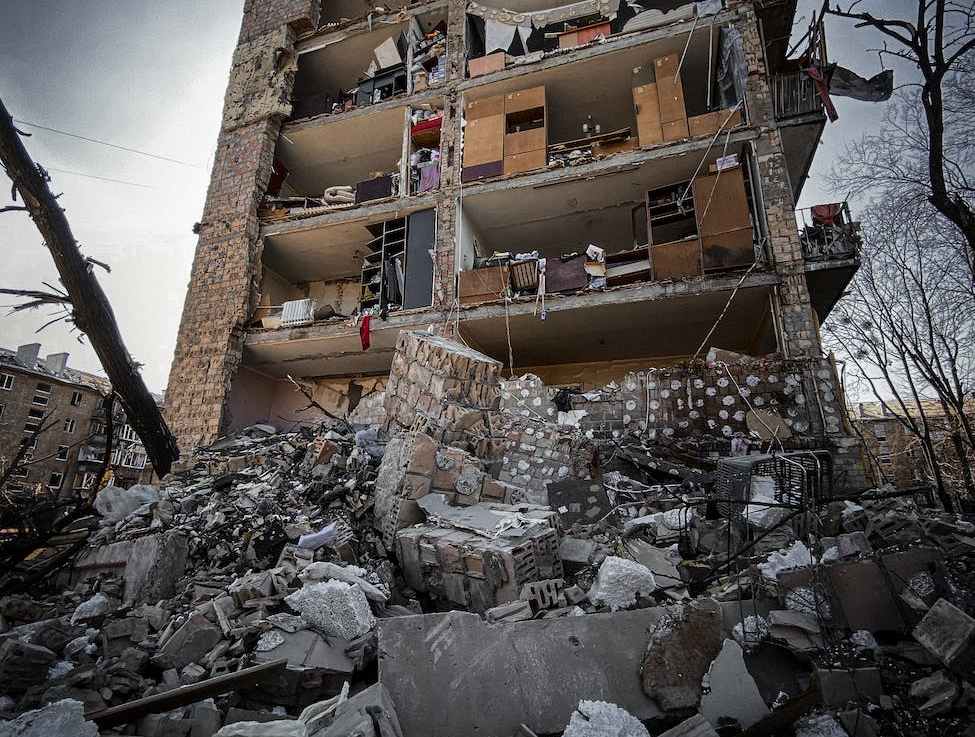
Climate migration planners are always looking for ways to better assist communities with responding to environmental disasters. One group of professionals who have been working on this problem for a long time are earthquake disaster response experts. These people have had to find out how to accommodate sudden influxes of refugees when infrastructure is severely damaged, whether it be in Nepal or Greece and Turkey. This is Why Climate Migration Planners Can Learn From Earthquake Disaster Response Experts.

Why Wealthier Cities Should Contribute to Repairing Neighboring City Water Systems 

Why Wealthier Cities Should Contribute to Repairing Neighboring City Water Systems 

Why Wealthier Cities Should Contribute to Repairing Neighboring City Water Systems 

11/30/22

“Why should wealthier cities contribute to repairing neighboring city water systems?”

Wealthy cities often rely on workers from neighboring, less wealthy cities for services. Many times this turns into economic exploitation and segregation. This could even reach water systems, where poorer cities are not allowed to connect their water systems to wealthier ones. The infrastructure of the former can lead to disrepair and require large funding for repairs. Since the richer neighbors may have extracted wealth from the less well-off communities, it’s only fair that they should help pay to make things better. This is Why Wealthier Cities Should Contribute to Repairing Neighboring City Water Systems.

Why Polluted Water Systems Force People to Survive on Bottled Water

Why Polluted Water Systems Force People to Survive on Bottled Water

Why Polluted Water Systems Force People to Survive on Bottled Water

11/29/22

“Why do polluted water systems force people to survive on bottled water?”

Cities with polluted water systems make life incredibly difficult for residents. Not only can’t they drink the water from their faucets, but they may not even be able to bathe themselves or wash their utensils! This problem unfolded in Willowbrook, California with devastating consequences. Things became so bad that residents were forced to rely on bottled water for their needs. This is Why Polluted Water Systems Force People to Survive on Bottled Water.

Image credit: The Guardian