Category: Urban Systems

Why Water Utilities Need to Prioritize Vulnerable Communities for Post-Disaster Service Restoration

Why Water Utilities Need to Prioritize Vulnerable Communities for Post-Disaster Service Restoration

Why Water Utilities Need to Prioritize Vulnerable Communities for Post-Disaster Service Restoration

12/20/22

“Why do water utilities need to prioritize vulnerable communities for post-disaster service restoration?”

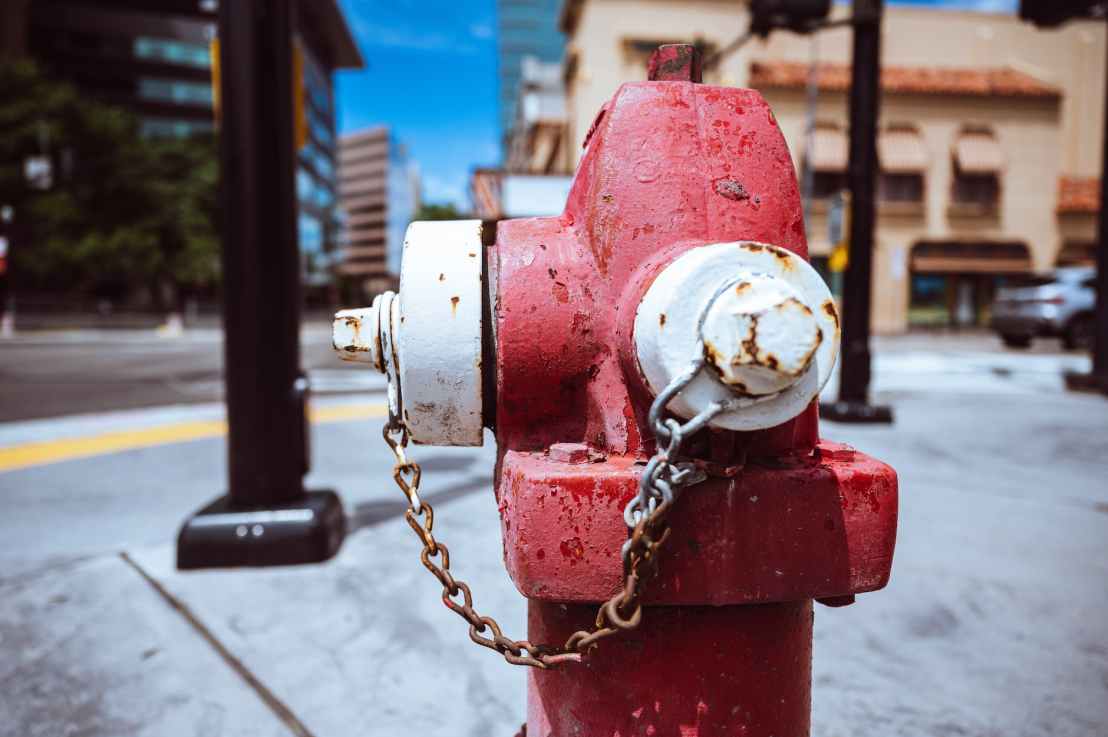
Vulnerable communities are the ones who need water service the most. Whether it be because of being unable to stockpile water, higher local temperatures because of the urban heat island effect, or having to treat diseases, water service is vital. Logically, water utilities should restore service to these communities soon after disaster strikes. This is Why Water Utilities Need to Prioritize Vulnerable Communities for Post-Disaster Service Restoration.

The U.S Federal Adaptation and Resilience Group

The U.S Federal Adaptation and Resilience Group

The U.S Federal Adaptation and Resilience Group

12/19/22

“What is the current working group leading federal adaptation synergy in the U.S.?”

On December 8th, 2021, U.S. President Biden signed Executive Order 14057 to catalyze environmental initiatives by the Federal Government. One of the products of this order includes the launch of The U.S. Federal Adaptation and Resilience Group. This working group draws knowledge and expertise from the various U.S. federal agencies to address climate adaptation. Their current (as of writing) activities include discussing climate data for adaptation measures, modeling economic responses for adaptation, natural resource management, and fostering engagement between federal agencies.

Why Metro Systems Can Increase Their Climate Disaster Resilience by Being Less Dependent on Rider Fees

Why Metro Systems Can Increase Their Climate Disaster Resilience by Being Less Dependent on Rider Fees

Why Metro Systems Can Increase Their Climate Disaster Resilience by Being Less Dependent on Rider Fees

12/18/22

“Why can metro systems increase their climate disaster resilience by being less dependent on rider fees?”

Climate disasters often force massive amounts of people to leave an urban area. This will cause metro ridership to plummet, decreasing ticket sales. While this will lead to a decrease in system revenue, if the financing model is only lightly dependent on ticket sales then its damage will be minimized. This is Why Being Metro Systems Can Increase Their Climate Disaster Resilience by Being Less Dependent on Rider Fees.

The U.S Highway Trust Fund

The U.S Highway Trust Fund

The U.S Highway Trust Fund

12/16/22

“What funds federal highway and mass transit projects in the U.S.?”

The U.S. federal government funds highways and mass transit projects. But how exactly does it do this? Well, it leverages a tax on gasoline and diesel fuel to store into a fund called The U.S Highway Trust Fund. The highway trust fund is made up of two accounts, the highway account, and the mass transit account.

Council on Environmental Quality

Council on Environmental Quality

Council on Environmental Quality

12/15/22

“What entity coordinates federal environmental efforts in the U.S.?”

Ever since the passage of the U.S National Environmental Policy Act in 1970, every federal agency has to factor in environmental consequences for significant actions. Enforcement of this is granted to the Council on Environmental Quality, a division of the Executive Office of the President. Every year the Council on Environmental Quality produces a report on the state of the environment for the sitting President. 

The U.S National Environmental Policy Act

The U.S National Environmental Policy Act

The U.S National Environmental Policy Act

12/14/22

“Why do U.S federal agencies have to evaluate environmental impacts for every major decision?”

Any major action humanity takes can have drastic environmental impacts. For this reason, The U.S National Environmental Policy Act, or NEPA was passed by congress in 1970. NEPA binds all federal agencies to factor in environmental impacts during decision-making. Furthermore, federal agencies must warn the public about their actions. NEPA also established the Council on Environmental Quality (CEQ), a part of the Executive Office of the President to ensure NEPA is implemented in federal agencies.

Why Metro Systems Can Make Themselves More Resilient to Pandemics by Being Less Dependent on Rider Fees

Why Metro Systems Can Make Themselves More Resilient to Pandemics by Being Less Dependent on Rider Fees

Why Metro Systems Can Make Themselves More Resilient to Pandemics by Being Less Dependent on Rider Fees

12/13/22

“Why can metro systems make themselves more resilient to pandemics by being less dependent on rider fees?”

Charging rider fees is a common funding mechanism for metro systems. But being too reliant can cause lead to revenue shortfalls during pandemics. One way to increase resilience against these events is to shift the funding basis away from rider fees. This way transit companies are not beholden to the presence of riders. This is Why Metro Systems Can Make Themselves More Resilient to Pandemics by Being Less Dependent on Rider Fees.

Why Rider Fees-Dependent Metro Systems Suffered Greatly During the COVID Onset

Why Rider Fees-Dependent Metro Systems Suffered Greatly During the COVID Onset

Why Rider Fees-Dependent Metro Systems Suffered Greatly During the COVID Onset

12/12/22

“Why did rider fee-dependent metro systems suffer greatly during the COVID onset?”

Metro systems are funded through a variety of mechanisms. Charging riders a fee is one of these. If a system bases a sizable portion of its revenue on these fees, then a dip in ridership can cause significant financial harm. When the COVID pandemic started, people stopped using transit en masse. This made metro systems dependent on rider fees such as Bay Area Rapid Transport (BART) to lose revenue drastically. This is Why Rider Fees-Dependent Metro Systems Suffered Greatly During the COVID Onset.