Category: Policy

How Energy Storage Can Increase Carbon Emissions

How Energy Storage Can Increase Carbon Emissions

How Energy Storage Can Increase Carbon Emissions

12/08/18

“How can energy storage increase carbon emissions?”


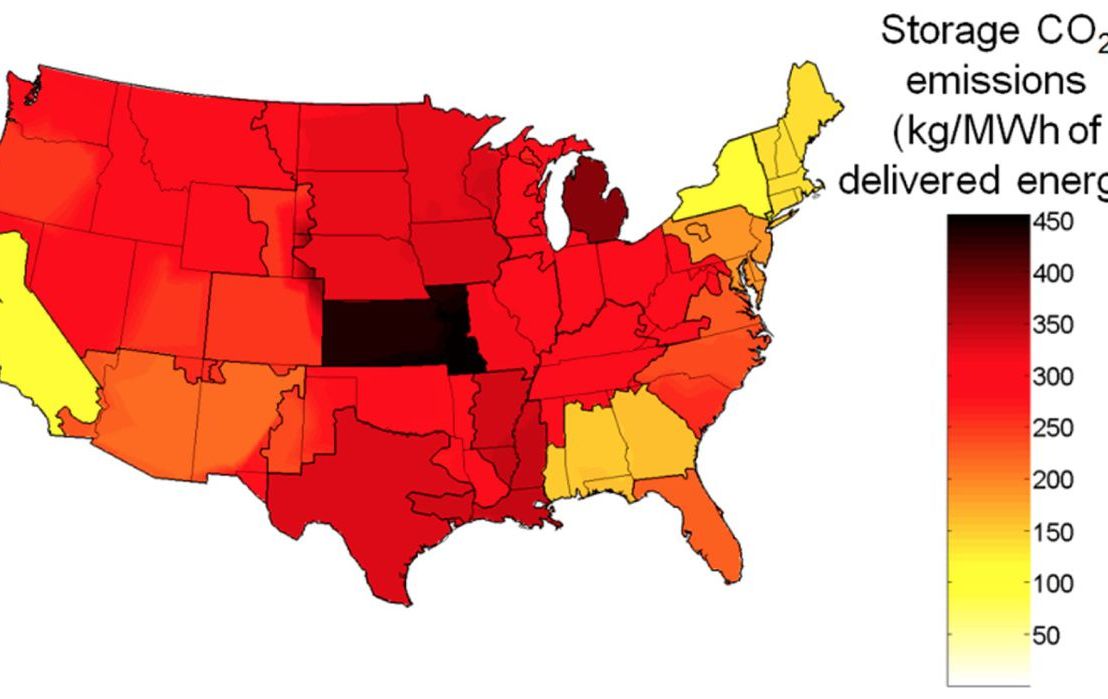
Numerous renewable energy proponents around the world are promoting energy storage as the solution to intermittency. However, if not planned out carefully, energy storage can be very unsustainable. This is because energy storage can store any type of energy, clean or not, with a preference for cheaper inputs. This means that cheaper overnight coal might be used for storage and then placed against more expensive natural gas or solar. In addition, energy is lost during storage, so the net efficiency drops as well. This is How Energy Storage Can Increase Carbon Emissions.


Image and research credit Hittinger, E. S., & Azevedo, I. M. (2015). Bulk energy storage increases United States electricity system emissions. Environmental science & technology, 49(5), 3203-3210.

Climate Change Model Verification

Climate Change Model Verification

Climate Change Model Verification

12/15/18

“How can we verify climate change models?”


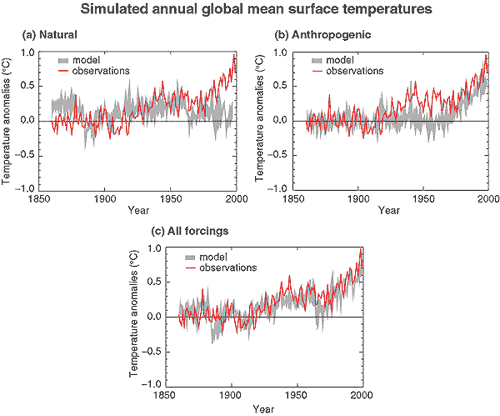
Climate models are extremely useful for helping us predict the impacts of climate change. But how can we verify them? Well, what if we were to map their mathematical functions to historical data and see if they accurately predict temperature rises? If it turns out to be correct, then the model has a good chance of being valid. This Climate Model Verification, often known as hindcasting, gives our methods validity for future policy work.


Image credit http://www.skepticalscience.com

Carbon Neutral Economies

Carbon Neutral Economies

Carbon Neutral Economies

12/06/18

“How can an economy not contribute to climate change?”


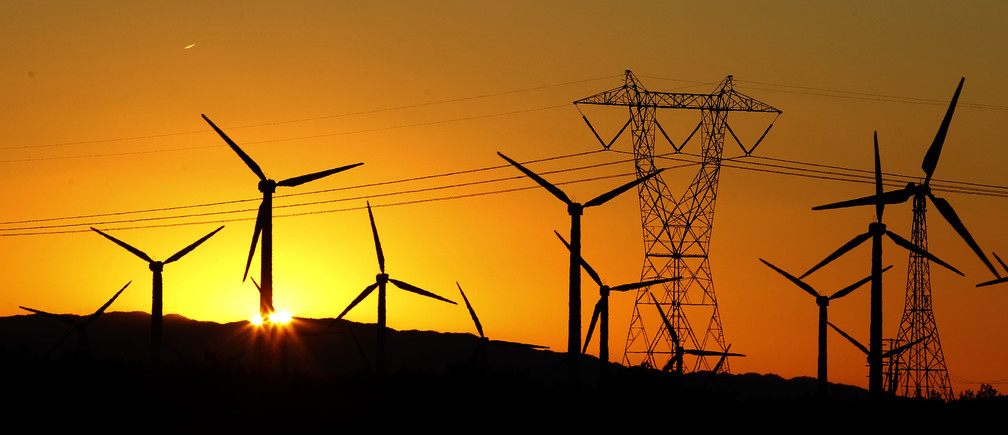
Traditionally, economies have grown in tandem with carbon emissions. But with the advent of modern-day extreme climate change this is no longer feasible. To solve this, nations will have to adopt Carbon Neutral Economies in which all sectors have slashed their emissions to zero. The transition to a low carbon economy could yield enormous economic growth as well as inequality easing. Multiple governments around the world are committed to this action, with California’s 2045 and the EU’s 2050 initiatives as examples.


Image credit https://assets.weforum.org

How Better Utility Fault Detection Can Lead to Better Resilience Against Fires

How Better Utility Fault Detection Can Lead to Better Resilience Against Fires

How Better Utility Fault Detection Can Lead to Better Resilience Against Fires

12/01/18

“How can better fault detection in utility lines prevent more fires?”


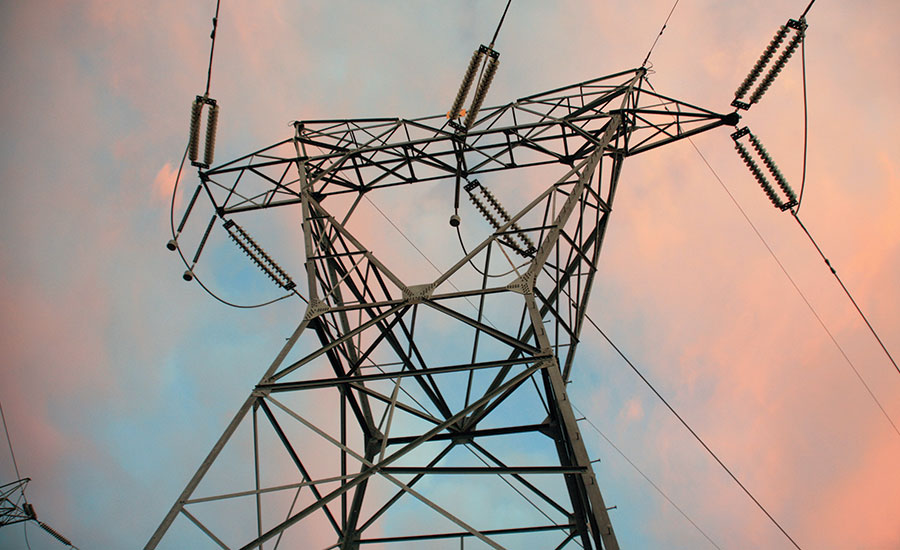
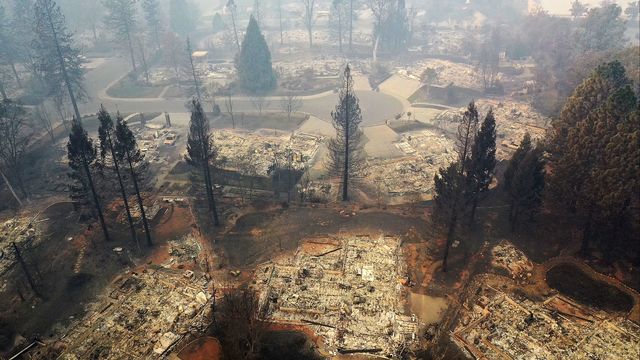
Northern California recently experienced the most intense wildfire it ever endured This was caused by a utility line breaking apart near a dry forest. To prevent such a thing from happening again, we can implement better fault detection methods into grid lines. That way we will be able to detect issues before they occur with much better clarity and resolve them before a catastrophe strikes. This is How Better Utility Fault Detection Can Lead to Better Resilience Against Fires.


The European Union Has Just Unveiled It’s Zero Carbon Emission Plan

The European Union Has Just Unveiled It’s Zero Carbon Emission Plan

The European Union Has Just Unveiled It’s Zero Carbon Emission Plan

11/29/18

“How will the EU become carbon neutral?”


Breaking news. The European Union, accounting for 10 % of carbon emissions globally, has recently unveiled its long-term plan to cut its carbon emissions to zero by 2050. Although its 2030 goals will not be changed, it does give more focus to the following decades. This will be an extremely exciting event for years to come.

Why the Increasing Frequency of Fires Will Threat Energy Resilience

Why the Increasing Frequency of Fires Will Threat Energy Resilience

Why the Increasing Frequency of Fires Will Threat Energy Resilience

11/26/18

“How will the increased frequency of fires make us less energy resilient?”


The climate is changing. As temperatures get higher, the natural world is being thrown out of balance, and this includes dangerous fires such the one seen in Northern California. As these fires become more frequent, they will threaten power lines and energy generation sources. As a result, The Increasing Frequency of Fires Will Threat Energy Resilience.