Category: Policy

How Planting Trees in Urban Areas Improves Air Quality

How Planting Trees in Urban Areas Improves Air Quality

How Planting Trees in Urban Areas Improves Air Quality

11/08/19

“How does planting trees in cities improve air quality?”


Many cities are suffering from two simultaneous issues: horrendous air pollution and a lack of greenery. Both of these can be solved by planting trees in urban areas. Trees are able to absorb CO2 and release oxygen, making local areas fresher and better to breathe. Cities around from all over the world, from Jakarta to Atlanta, are taking this logical, sustainable course of action.

The Resilience-Mitigation Nexus

The Resilience-Mitigation Nexus

The Resilience-Mitigation Nexus

11/07/19

“How are climate resilience and mitigation related?”


Although usually siloed into two different categories, climate resilience and mitigation need to be studied jointly. For example, while committing to a sustainable solution such as installing solar panels, the decision of whether or not to couple it with a battery will affect the system’s resilience. Just like water and energy affect each other in a water-energy nexus, sustainability and mitigation affect each other in The Resilience-Mitigation Nexus.

Defensible Spaces for Wildfires

Defensible Spaces for Wildfires

Defensible Spaces for Wildfires

11/06/19

“How can we create a defensible space to protect buildings from wildfires?”


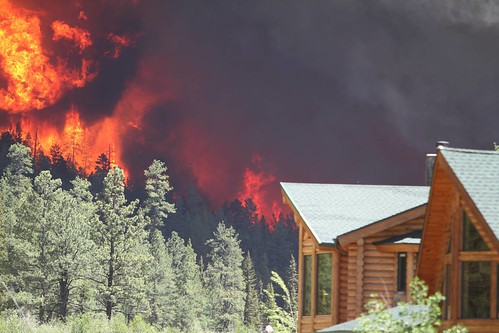
Wildfires are becoming a larger and larger problem with the advent of climate change. To prevent further destruction, resilience techniques are being developed for buildings. However, many of these techniques rely upon technical solutions such as solar plus storage which might be expensive or unavailable in the case of a power outage. So how can we think of new, more natural ways to prevent widescale destruction? Well, what if we were to make the area around the building less burnable? We can accomplish this by making trees far apart from each other, using rock and water landscape space, and planting flame-resistant grass and plants. This Defensible Spaces for Wildfires is an excellent passive resilience strategy that can be implemented in a simple and affordable manner.

Image credit firesafemarin.org

Why Climate-Exacerbated Wildfires Are Causing an Insurance Crisis

Why Climate-Exacerbated Wildfires Are Causing an Insurance Crisis

Why Climate-Exacerbated Wildfires Are Causing an Insurance Crisis

11/05/19

“What are climate-exacerbated wildfires doing to the home insurance market?”


How would you feel if your home no longer had any financial security?


Home insurance is vital for providing families a financial safety net in case of a disaster. Usually, the cost and availability of insurance will vary by how prone a certain area is to external disasters. But with the advent of climate change, zones once considered safe to live in are now a precipitous liability. And one has to look no further than simple wildfires to see an illustration of this.


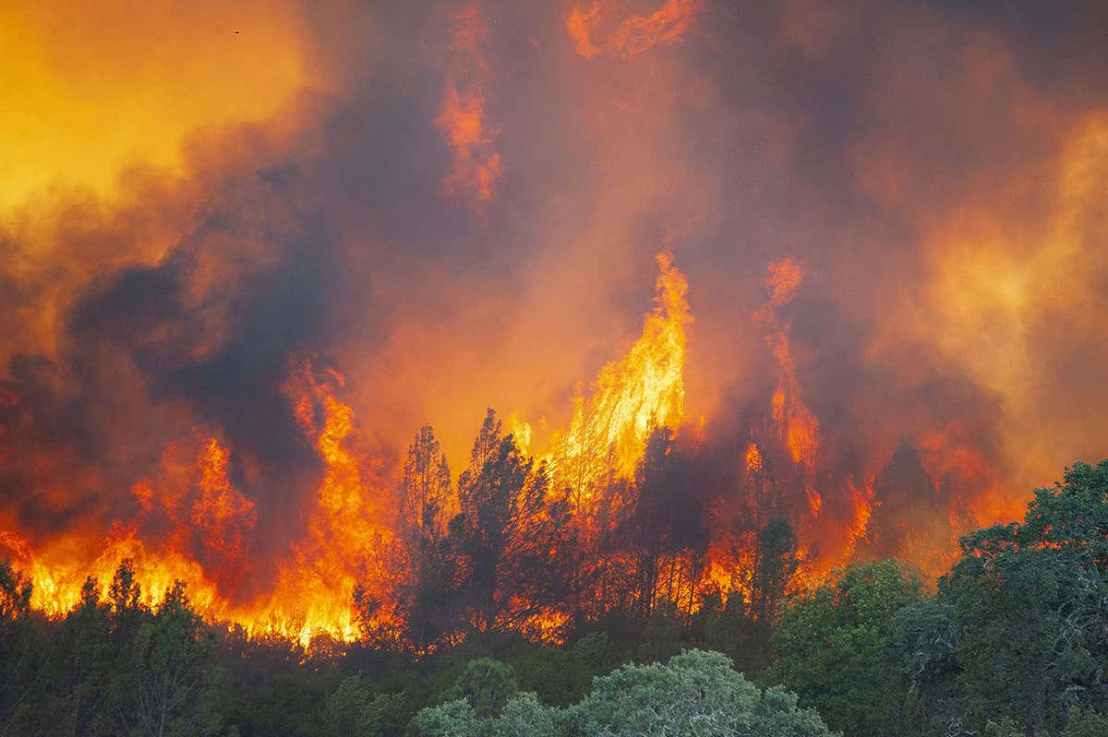
With no doubt, climate change is exacerbating rain-parched forested area’s wildfire problem. The increasing heat and dryness are causing wildfire season to grow longer and flammable areas to extend beyond their historic boundary. As a result, insurance companies are reevaluating homes all over such places, increasing resident’s premiums and even sometimes removing coverage altogether! This is leading to an insurance crisis, where a multitude of homeowners can either no longer pay for their insurance or are unable to sell their homes, turning it into a sunken financial asset. Only through smart policy, economics, and wildfire prevention protocol can this ever have any hopes of being solved. This is Why Climate-Exacerbated Wildfires Are Causing an Insurance Crisis.

Climate Action Plans

Climate Action Plans

Climate Action Plans

11/04/19

“How can governments design roadmaps to reduce their greenhouse gas emissions?”


Climate change is going to affect every part of human society, whether it be how transportation infrastructure will buckle under extreme heat or how strengthened floods will harm coastal power generation. To help make sure climate conditions will not become too exacerbated, governments are looking to reduce the greenhouse gas emissions of their communities. Central to this will involve creating plans and frameworks to organize all actors of their institutions to reduce their carbon footprint. The prescribed actions can vary, from designing new energy efficiency programs for buildings to replacing carbon emitting power plants with solar and wind. These Climate Action Plans will be vital to ensuring that humanity has a safe and sustainable future ahead of it.

How the Increased Frequency of Droughts Will Put Pressure on City Water Infrastructure

How the Increased Frequency of Droughts Will Put Pressure on City Water Infrastructure

How the Increased Frequency of Droughts Will Put Pressure on City Water Infrastructure

11/03/19

“How will the increased frequency of droughts add stress to a city’s water infrastructure?”


As the climate is changing, more and more cities around the world will have to deal with the effects of drought. This means that less water will be available for municipal services, placing a strain on infrastructure. This effect can already be seen in cities around the world, whether it be Cape Town’s Day Zero crisis or Chennai running out of water. This is How the Increased Frequency of Droughts Will Put Pressure on a City’s Water Infrastructure.

Examples of Inequitable Heat Resilience

Examples of Inequitable Heat Resilience

Examples of Inequitable Heat Resilience

11/01/19

“What are examples of inequitable heat resilience?”


The rising global temperatures are putting heat resilience more and more into focus. However, if not properly implemented, there could be grave consequences for the world. There are many potential illustrations of this. If an urban area decides to plant trees in an upper-income area using species that require high volumes of water, then it might drain it off from the river banks of poorer communities. If upper-income communities install large amounts of energy-intensive HVAC systems in a power-starved region such as Lebanon or India, then it could siphon off electricity from the rest of the grid and cause brownouts in surrounding areas, making the response to heatwaves only worse. And if housing in temperate coastal or mountain areas becomes too expensive, lower-income people will be pushed into hotter areas that could prove deadly in a heat-wave, as being seen in California right now. These are just a few out of many Examples of Inequitable Heat Resilience.


Image credit blogs.ei.columbia.edu

Why Urban Heat Resilience Needs to Be Equitable

Why Urban Heat Resilience Needs to Be Equitable

Why Urban Heat Resilience Needs to Be Equitable

10/31/19

“Why must equity take paramount importance when we design urban heat resilience?”


With the increase in average global temperatures and the densification of metropolitan centers, urban heat resilience will become a greater issue for the world. However, engineers and urban planners must keep in mind that the most vulnerable people in society, particularly seniors, young children, pregnant women, and people with disabilities and medical conditions will be the most susceptible to extreme heat. Resilience techniques that do not take these elements of society into account or ignore their needs will actively hurt them. For example, if all of the resources go to greening the wealthy districts of a city, then none will be left for people of lower-income areas. Since it is the duty of resilience professionals to ensure the safety of those most affected by climate change, it is only understandable Why Urban Heat Resilience Needs to Be Equitable.

Why Slow-Charging Electric Vehicle Stations Are a Good Assets for Residential Buildings

Why Slow-Charging Electric Vehicle Stations Are a Good Assets for Residential Buildings

Why Slow-Charging Electric Vehicle Stations Are Good Assets for Residential Buildings

10/30/19

“Why should communities consider placing slow-chargers in residential communities?”


Municipal governments are on the forefront of electric vehicle charger buildout. Part of this will be determining how to economically and logistically implement them. One strategy can be to consider placing slow-chargers in residential areas since they are more affordable and EVs are meant to be parked there for a long time. This is Why Slow-Charging Electric Vehicle Stations Are Good Assets for Residential Buildings.


Image credit d32r1sh890xpii.cloudfront.net