Category: Engineering

Multi-Hazard Resilience Planning

Multi-Hazard Resilience Planning

Multi-Hazard Resilience Planning

02/18/20

“How can resilience planners prepare for multiple effects?”


Climate change is exacerbating more than just a single disaster per zone. In many locations, multiple hazards are occurring at the same time. For example, in the San Francisco Bay Area not only are wildfires becoming more frequent and powerful but coastal flooding is also growing day by day. Because of this, resilience professions will have to prepare for all of these using Multi-Hazard Resilience Planning, in which every single piece that can go wrong will be taken into account. 

Why Urban Sprawl is a Climate Resilience Issue

Why Urban Sprawl is a Climate Resilience Issue

Why Urban Sprawl is a Climate Resilience Issue

02/17/20

“Why is urban sprawl a climate resilience issue?”


Urban Sprawl has been known for a long time to be a climate mitigation issue. However, having a sprawling urban form also makes it more vulnerable to the effects of climate change. Being reliant on automobile transportation makes evacuation much more difficult and deadly in the case of a climate emergency such as a wildfire or a hurricane. Sprawling development encourages living spaces to be built on environmentally unsafe spaced such as flood zones and the wildland-urban interface. This shows Why Urban Sprawl is a Climate Resilience Issue.

Material Use Reduction as a Form of Resilience

Material Use Reduction as a Form of Resilience

Material Use Reduction as a Form of Resilience

02/14/20

“How can reducing material use be a form of resilience?”


Our modern civilization rests upon the consumption of materials. However, in the case of a supply-chain shock, whether it be natural or human-driven, can disrupt our internal balance. But just like reducing energy use can lead to increased security, reducing material use can protect against these sudden events. This is Material Use Reduction as a Form of Resilience.

Building Reuse

Building Reuse

Building Reuse

02/08/20

“How can we reuse already-built buildings for alternative purposes?”


Buildings are the core of every facet of infrastructure, whether it be the housing that we live in or the metro rails that we ride on. And although new construction is thought of as the ultimate path to growth, the embodied carbon can add a heavy increase to GHG emissions. Building Reuse can ensure that already-built edifices can be repurposed for new uses, ensuring greater sustainability.


Image credit images.adsttc.com

Why Moving Into Newer Housing Can Increase Resilience to Climate Change

Why Moving Into Newer Housing Can Increase Resilience to Climate Change

Why Moving Into Newer Housing Can Increase Resilience to Climate Change

02/03/20

“Why is it that moving into newer housing can increase your resilience to climate change?”


Whether you like it or not, Climate Change is coming and you will need to prepare. One of the biggest vulnerabilities that people have is the quality of their housing. Older housing is usually built according to outdated standards and with aged materials, increasing the risk of breakdown when disaster strikes. By moving into newer housing, it is more likely that you will be living in a place that has been designed with the new climate in mind in addition to being composed of more modern materials. This is Why Moving Into Newer Housing Can Increase Resilience to Climate Change.

Why Silver Is Not Used as Much as Copper for Electronic Wiring

Why Silver Is Not Used as Much as Copper for Electronic Wiring

Why Silver Is Not Used as Much as Copper for Electronic Wiring

02/02/20

“Why is silver not used as much as copper for electronic wiring despite its higher efficiency?”


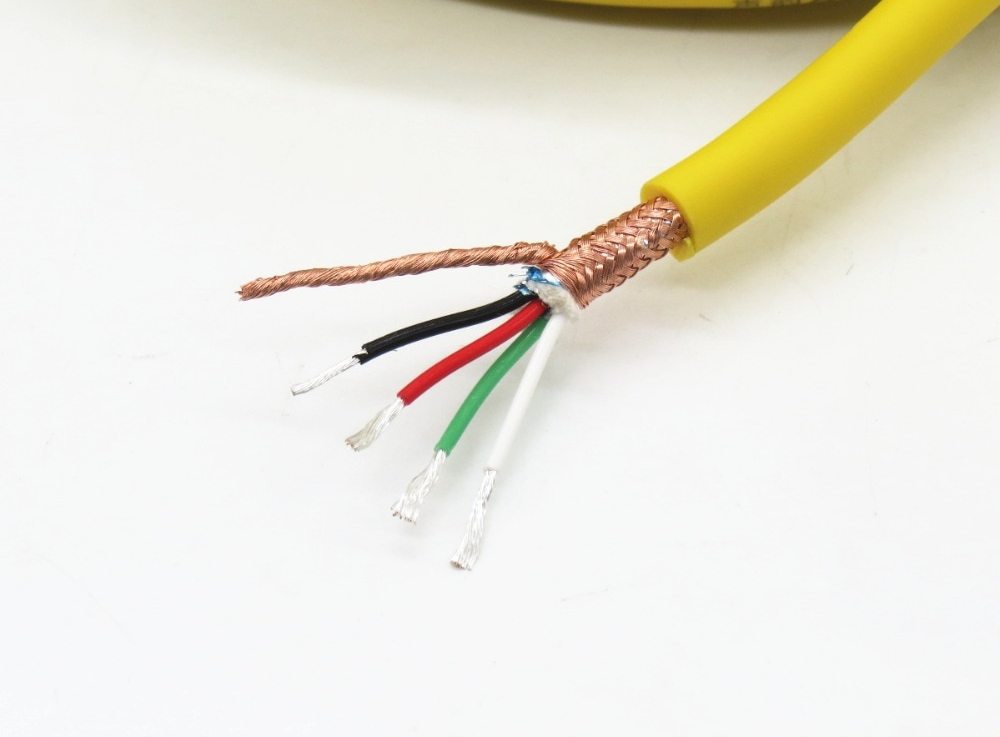
Copper is the most used element for electronic wiring due to its high conductivity. However, Silver is the most conductive natural element, around 7 percent more than copper. But why isn’t silver used? Well, it has to do with the fact that silver is found in much less abundant quantities on Earth, making it much costlier. As a result, Why Silver Is Not Used as Much as Copper for Electronic Wiring except for particular applications where the higher efficiency is a necessity.


Image credit ae01.alicdn.com