Category: Earth/Climate science

How Trimming Trees Near Transmission Lines Could Increase Infrastructure Resilience in Drought-ridden Areas

How Trimming Trees Near Transmission Lines Could Increase Infrastructure Resilience in Drought-ridden Areas

How Trimming Trees Near Transmission Lines Could Increase Infrastructure Resilience

02/28/19

“How could hot areas become more resilient by trimming trees?”

Electrical transmission lines can fault for a variety of reasons. But one of the most common is from being near untrimmed trees. These can fall onto the power lines, causing power disruption. In the case of extreme drought, static buildup can even rupture a fire, as seen in the 2018 Northern Californian Camp Fire. To prevent this, we can simply trim the trees. This allows for increased safety against extreme weather. This is How Trimming Trees Near Transmission Lines Could Increase Infrastructure Resilience in Drought-ridden Areas.
Biochar

Biochar

Biochar

02/26/19

“How can we have a safe form of carbon which can’t easily escape into the atmosphere?”

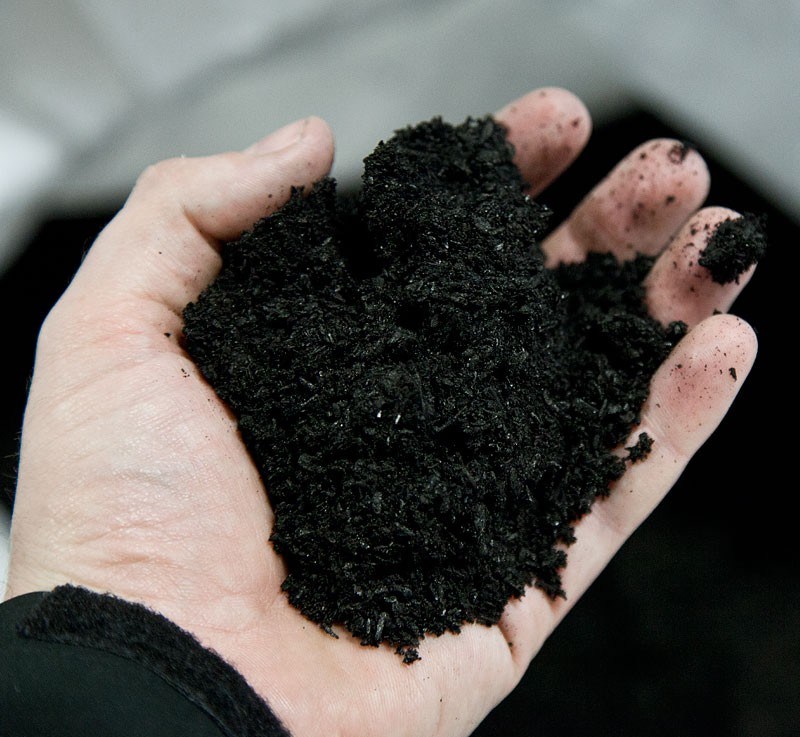
Carbon is one of the most fundamental elements in the world. Given its role in energy production and global warming, it is both the foundation and destroyer of our civilization. But can there be a cleaner form of carbon? Well, if we burn dead organic matter such as plants in a container with very little oxygen, then it will release very little fumes and turn into a stable form of carbon known as Biochar. The energy created in the burning process can be used to power mechanical processes.

Image credit smhttp-ssl-17653.nexcesscdn.net

Mining Remediation

Mining Remediation

Mining Remediation

02/01/19

“How can we heal an area from mining activities?”


Mining activities can destroy the face of the Earth. However, with the proper planning, a closed mineland can be restored to proper functioning. This involves the use of groundwater treatment, replacement of soil, or tree-planting initiatives. This Mining Remediation process is used all over the world to restore natural landscapes.

The Environmental Impacts of Open-Pit Mining

The Environmental Impacts of Open-Pit Mining

The Environmental Impacts of Open-Pit Mining

01/31/19

“What are the environmental impacts of open-pit mining?”


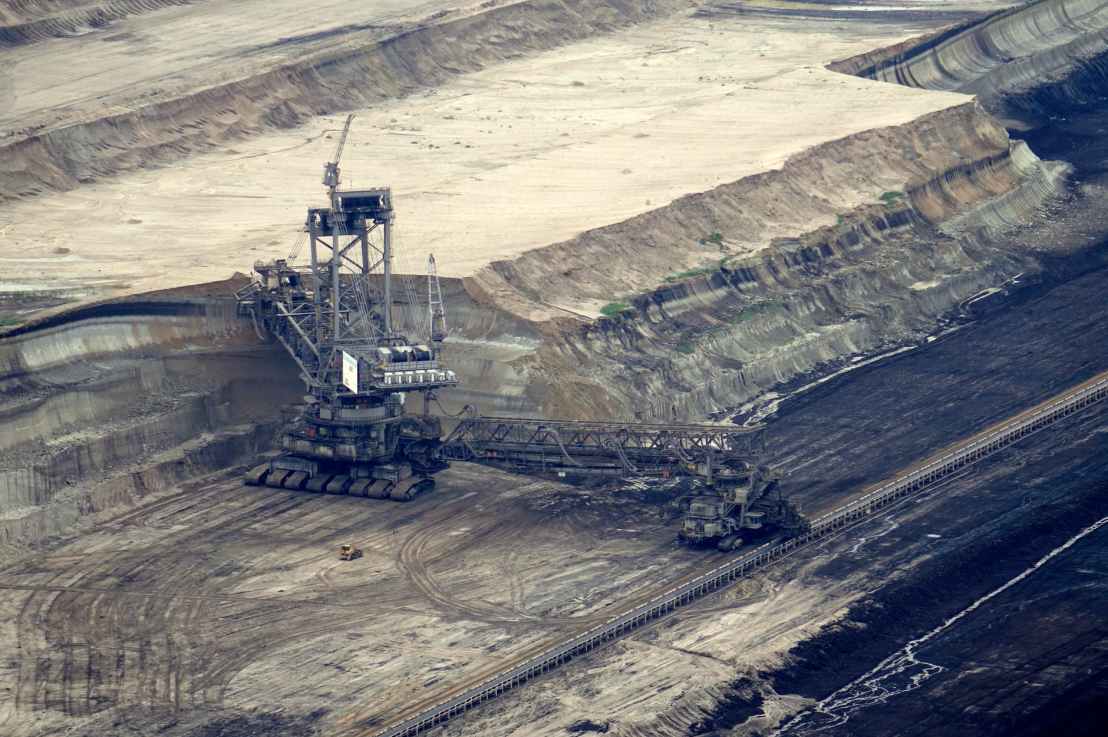
Materials such as rare-earth minerals are often obtained through open-pit mining. However, this process is extremely environmentally destructive, releasing a multitude of harmful chemicals, debris, and dust into the air. The residue can also cause Sound pollution from the machinery, ground vibration from the operations, forcibly resettle people, pollute nearby water and destroy soil fertility. Thus, The Environmental Impacts of Open-Pit Mining must be minimized at all costs!

Open-Pit Mining

Open-Pit Mining

Open-Pit Mining

01/29/19

“How can mines operate without a land-cover?”


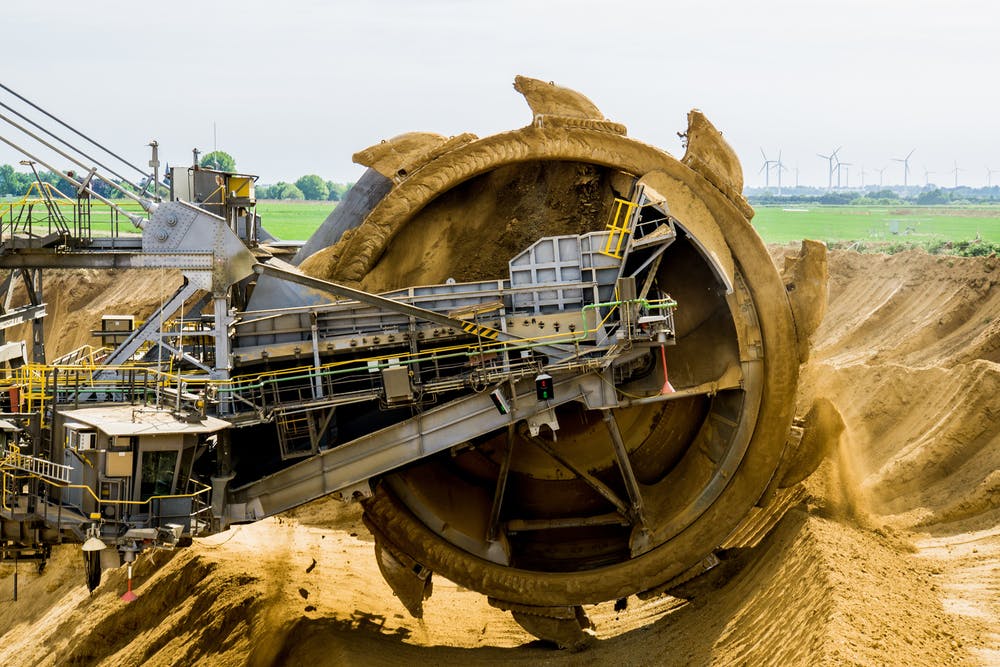
In the past, mines were made by digging individual holes under the surface of the ground. But with the advance of new technology, this may no longer be necessary for regions where ore is close to the surface. The surface of mineral areas can now be blasted out through dynamite and then carved through by giant cranes. This leaves a giant hole in which minerals can be easily accessible. Although this Open-Pit Mining technique might be economically efficient in many cases, it produces large amounts of environmental damage. Rare Earth Minerals are often excavated through open-pit mining.

Recycling Rare Earth Minerals

Recycling Rare Earth Minerals

Recycling Rare Earth Minerals

01/28/19

“How can we reuse rare earth minerals?”


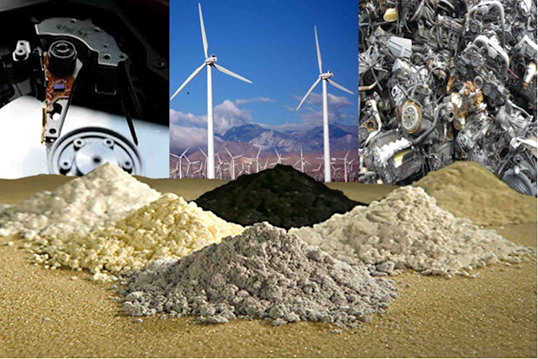
Rare Earth Minerals are vital for the operation of distributed energy technologies. But their extraction process is extremely pollutive and their supply is limited. But what if were to simply reuse them from old products? This way, we can increase the availability of their supply and help create a circular economy. As a result Recycling Rare Earth Minerals can be of great use to the world.

Image credit https://climate.nasa.gov

The Environmental Impacts of Mining Rare Earth Minerals

The Environmental Impacts of Mining Rare Earth Minerals

The Environmental Impacts of Mining Rare Earth Minerals

01/27/19

“What is the pollutive side of renewable energy?”


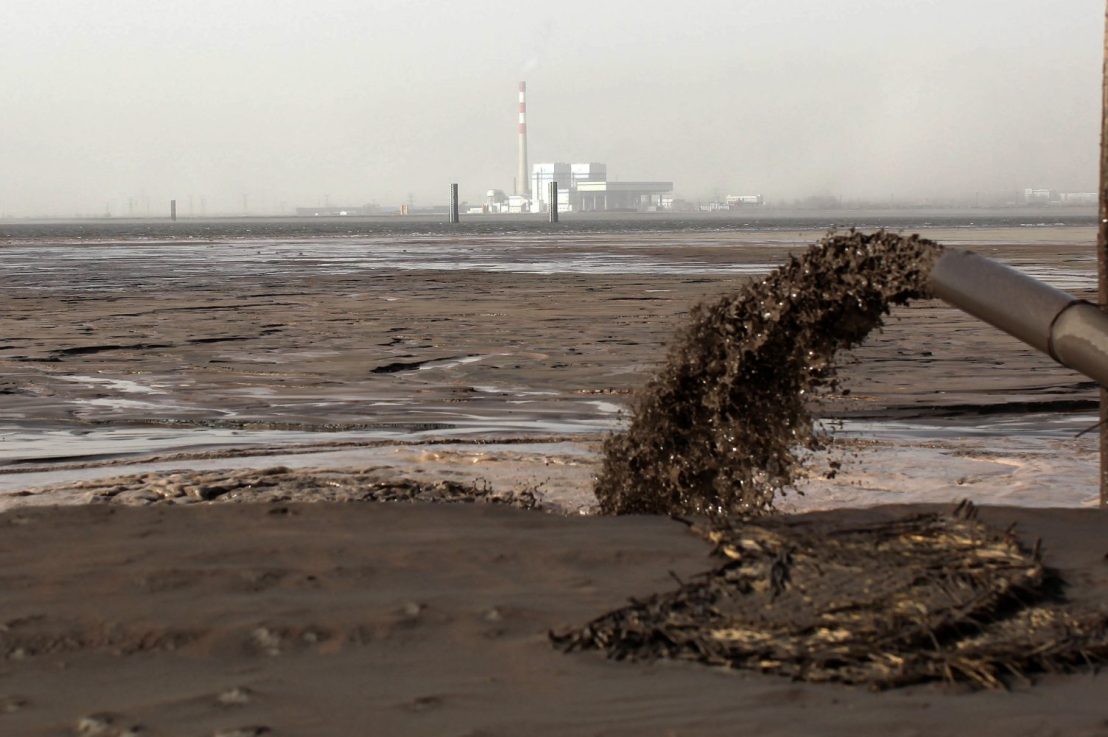
Rare Earth Minerals are critical for the proliferation of clean energy technologies. However, their extraction methods can be quite toxic to the environment. Since most of these minerals are unearthed using open-pit mining, radionuclides, rare earth elements, and dust and metal are released to the surrounding area, desecrating local life. Because of The Environmental Impacts of Mining Rare Earth Minerals, we need to look into making this process more sustainable to ensure a completely green future for the world.


Image credit foreignpolicymag.files.wordpress.com

Rare Earth Minerals

Rare Earth Minerals

Rare Earth Minerals

01/26/19

“What are some of the most important but rare minerals in the world?”


Every piece of machinery is based on some fundamental minerals. And much of modern electronic technologies come from Rare Earth Minerals or minerals who contain one or more Rare Earth Elements.


Image credit 76frhciq44-flywheel.netdna-ssl.com

The Importance of Rare Earth Minerals to Renewable Energy

The Importance of Rare Earth Minerals to Renewable Energy

The Importance of Rare Earth Minerals to Renewable Energy

01/25/19

“Why are certain minerals so important for renewable energy?”


Renewable energy is one of the fastest growing technologies in the world. But like every manufactured product, they are heavily dependent on the minerals that compose them. One of the most important amongst these are Rare Earth Minerals. Rare Earth Minerals such as neodymium, terbium, indium, dysprosium, and praseodymium form vital components for solar panels, wind turbine motors, batteries, and electric vehicles. With such constricted supplies in the world, geopolitics will shift to favor countries with large amounts of these resources, underlying The Importance of Rare Earth Minerals to Renewable Energy.