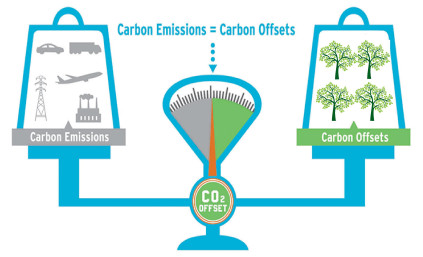
“How can you offset your carbon emissions without changing your own operations?”
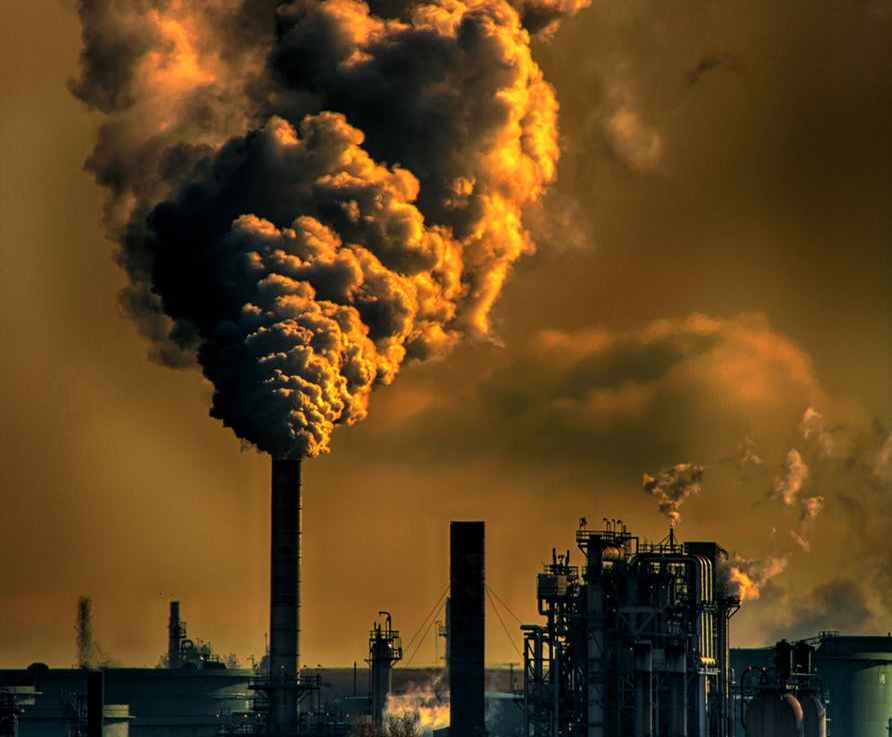
Some things are extraordinarily difficult to decarbonize. Whether it be air travel or going 100% renewable when the grid itself is based 100% off carbon-emitting resources. But a workaround can be found through Carbon Offsetting. This involves making a purchase of renewable energy or planting a tree that offsets the amount of carbon used. This can be useful for designing policies around technologies whose emissions-free alternatives are still too nascent for commercial use.
Why Dry Climate Snow is Different From Humid Climate Snow
01/20/19
“Why is dry climate snow different than humid climate snow?”
An area’s climate affects everything, and the snow is no different. In humid climates, which tend to be closer to a body of water and lower in elevation, snow tends to be imbued with water, making it extra wet and messy. However, in dry climates, the ice crystals lack this problem and therefore are more tightly bound. This is Why Dry Climate Snow is Different From Humid Climate Snow.
“What is the second most common mineral in the world and why is it special?”
Minerals can be found all over the world. But the second most common one Quartz (SiO2) has some very special characteristics. Particularly, its crystalline arrangement exhibits piezoelectric properties, allowing for stress-induced electricity!
A Simple Reason Why Humanity Needs to be Less Wasteful to Curb Climate Catastrophe
01/18/19
“What is one tough thing humanity needs to adopt to fight climate change?”
Right now humanity is on track to shoot past a rise of 2-degree centigrade from pre-industrialization by 2030. And one of the primary reasons behind this is because human energy consumption and population has been rising over the years. Much of the global focus to fight this has been increasing technological energy efficiency. But according to the equation I = PAT, if population and affluence rise then it would offset more efficient technology. If humanity does not want to quickly decrease its population then it must change its culture of affluence. This is A Simple Reason Why Humanity Needs to be Less Wasteful to Curb Climate Catastrophe.
“How can we represent environmental impact based on resource consumption?”
Every society has an environmental impact. But since each society has different levels of resource consumption and utilization, each one is different. So how can we quantify this? Well, we can measure impact based on the average of the amount used multiplied by its energy efficiency and the total population. This is known as the I = PAT equation where I is the Environmental Impact P is the Total Population A is the Level of Affluence (how many resources are used) and T is the Technological Efficiency.
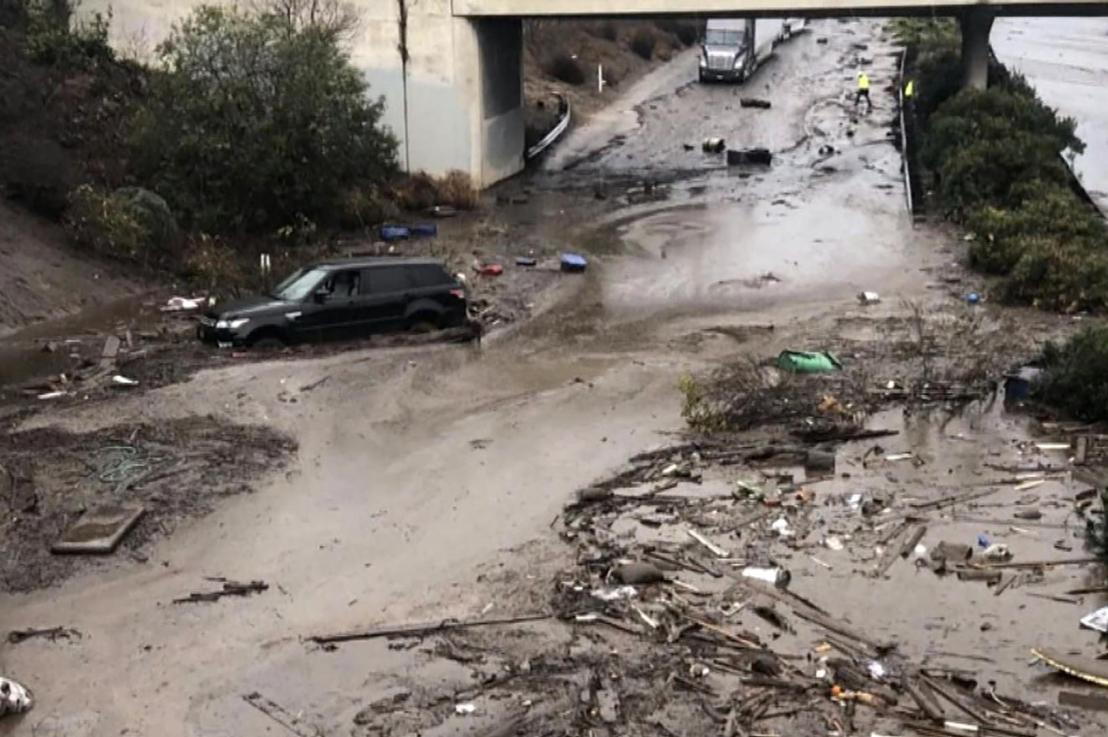
In the universe, the only constant thing is change, and Geology is no exception. Soils, rock, and debris at the top of a mountain will move downhill overtime due to gravity. This process is known as Mass Wasting and is one of the contributing factors to mudslides.
How Recycling Urine Can Help Sustainable Agriculture
01/11/19
“How can recycling your urine be sustainable?”
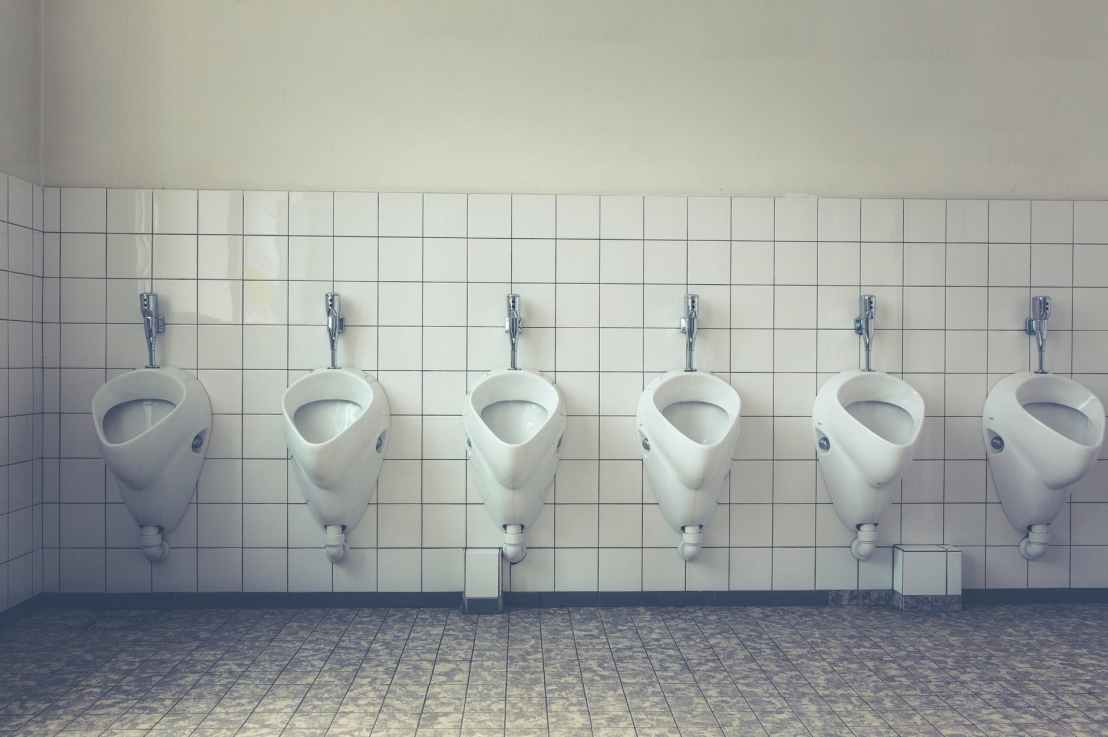
Urine is one of the biggest pieces of waste that humans create. But it can be recycled for various beneficial uses. One thing it can be is decontaminated to provided water to agriculture. This is How Recycling Urine Can Help Sustainable Agriculture.
Many children around the world play with clay when they are young. But what exactly are they? Well, when natural rock or soil material is highly grounded, it can combine with a large amount of other elements overtime to make Clay. Clay’s flexibility and strength when hardened have made it useful in building materials and early writing utensils.
It is well known that the ground is made of dirt. And when this dirt becomes moist in the event of rainfall, it will have less cohesiveness and can flow out. These events are known as Mudslides and can trigger extensive property damage.