“How can an economy not contribute to climate change?”
Traditionally, economies have grown in tandem with carbon emissions. But with the advent of modern-day extreme climate change this is no longer feasible. To solve this, nations will have to adopt Carbon Neutral Economies in which all sectors have slashed their emissions to zero. The transition to a low carbon economy could yield enormous economic growth as well as inequality easing. Multiple governments around the world are committed to this action, with California’s 2045 and the EU’s 2050 initiatives as examples.
The European Union Has Just Unveiled It’s Zero Carbon Emission Plan
11/29/18
“How will the EU become carbon neutral?”
Breaking news. The European Union, accounting for 10 % of carbon emissions globally, has recently unveiled its long-term plan to cut its carbon emissions to zero by 2050. Although its 2030 goals will not be changed, it does give more focus to the following decades. This will be an extremely exciting event for years to come.
Why the Increasing Frequency of Fires Will Threat Energy Resilience
11/26/18
“How will the increased frequency of fires make us less energy resilient?”
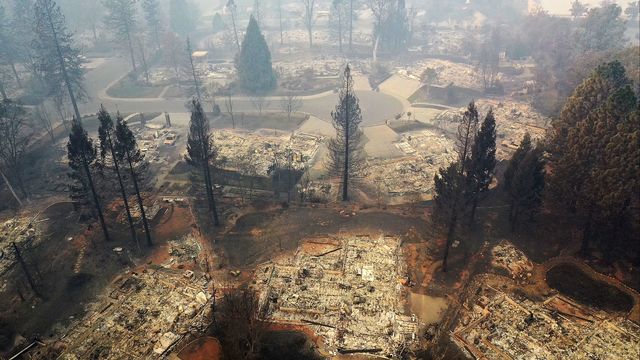
The climate is changing. As temperatures get higher, the natural world is being thrown out of balance, and this includes dangerous fires such the one seen in Northern California. As these fires become more frequent, they will threaten power lines and energy generation sources. As a result, The Increasing Frequency of Fires Will Threat Energy Resilience.
“How can lab-grown meat be good for the environment?”
This Thanksgiving, American families all around the world are spending time with their dear friends and families and give thanks to all of the good things that have come. And a core part of this celebration (usually) involves cooking a Turkey. However, all of this meat consumption drives up carbon emissions immensely. But is there a way where can circumvent this without having to give up meat?
Well, this can actually happen with the proliferation of Lab-Grown Meat. Since this artificial meat did not require an animal to be raised for production, it is able to avert countless tons of emissions associated with production. As a result, Lab-Grown Meat Can Fight Climate Change. So in the near future, you might be able to have your meat and eat it too!
How if Restaurants Used Less Ice it Would be Good for Climate Neutrality
11/21/18
“Why should restaurants use less ice?”
In the United States, it is customary for restaurants to serve ice with water. Although it may seem benign, having to store extra ice uses energy and water which contribute to climate change. Therefore, if Restaurants Used Less Ice it Would be Good for Climate Neutrality.
“How can load shedding be beneficial for the planet?”
When power grids receive a demand overload, they often go into load-shedding to prevent a blackout. Not only does the reduced load prevent a blackout but also emit less carbon dioxide! Without having to worry about an infrastructure recovery or extra emissions, the grid’s impact on climate change will be reduced.
“How can we filter away harmful particles with a mask?”
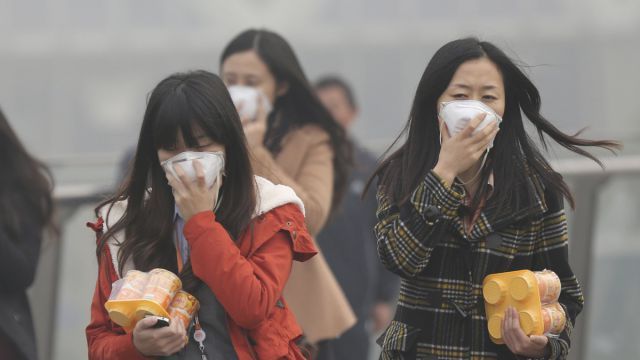
In many parts of the world, dealing with heavy air pollution is a daily issue. As a result, people will need to have some form of protection. This is commonly found in the form of N95 Respirators, which are designed to block at least 95 percent of very fine particulate matter. However, caution will need to be taken with these masks, as they are not designed for small children or people with facial hair.
Air pollution is one of the greatest dangers to human public health. As such, we here at Isaac’s Science Blog would like to give a few safety tips for staying safe.
Stay inside in an insulated environment as much as possible
Why Air Quality is an Important Part of Resilience
11/11/18
“Why is air quality an important component for resilience?”
In order to build truly sustainable and resilient communities, we must look at all factors, and air quality is no exception. By making living areas more breathable, we can ensure solid public health and cut down on medical infrastructure strain. As a result, Air Quality is an Important Part of Resilience.




 Isaac's Science Blog