“What is a simple way to build resilience against urban water runoff?”
With the advent of the changing climate, flood resilience will be a hot topic for urban areas. One of the simplest green stormwater infrastructure methods is to simply build Rain Gardens which can divert runoff water into depressed areas with soil to grow greenery. This is a simple and cost-effective method to enhance climate change resilience.
“How does flooding in urban areas occur and how does it damage infrastructure?”
Floods occur when there is an overflow of water in an area that is usually dry. This can occur in urban areas as well, usually caused by too much rainfall or a burst in storm control infrastructure. Urban Flooding can wreak havoc on communities and cost upwards of billions of dollars in damages.
The Ratio of Fresh Surface Water to Ocean Surface Water and Why it Matters
06/27/19
“Why does it matter that there is over thirty-two times as much water in the ocean than lakes?”
Water is foundational to biological life. 97% of surface water is located in the ocean while the rest are in lakes and other freshwater sources. Since humans are using freshwater at unsustainable rates and ocean water has extra salinity, people will have to think more about conserving water and expanding desalinization.
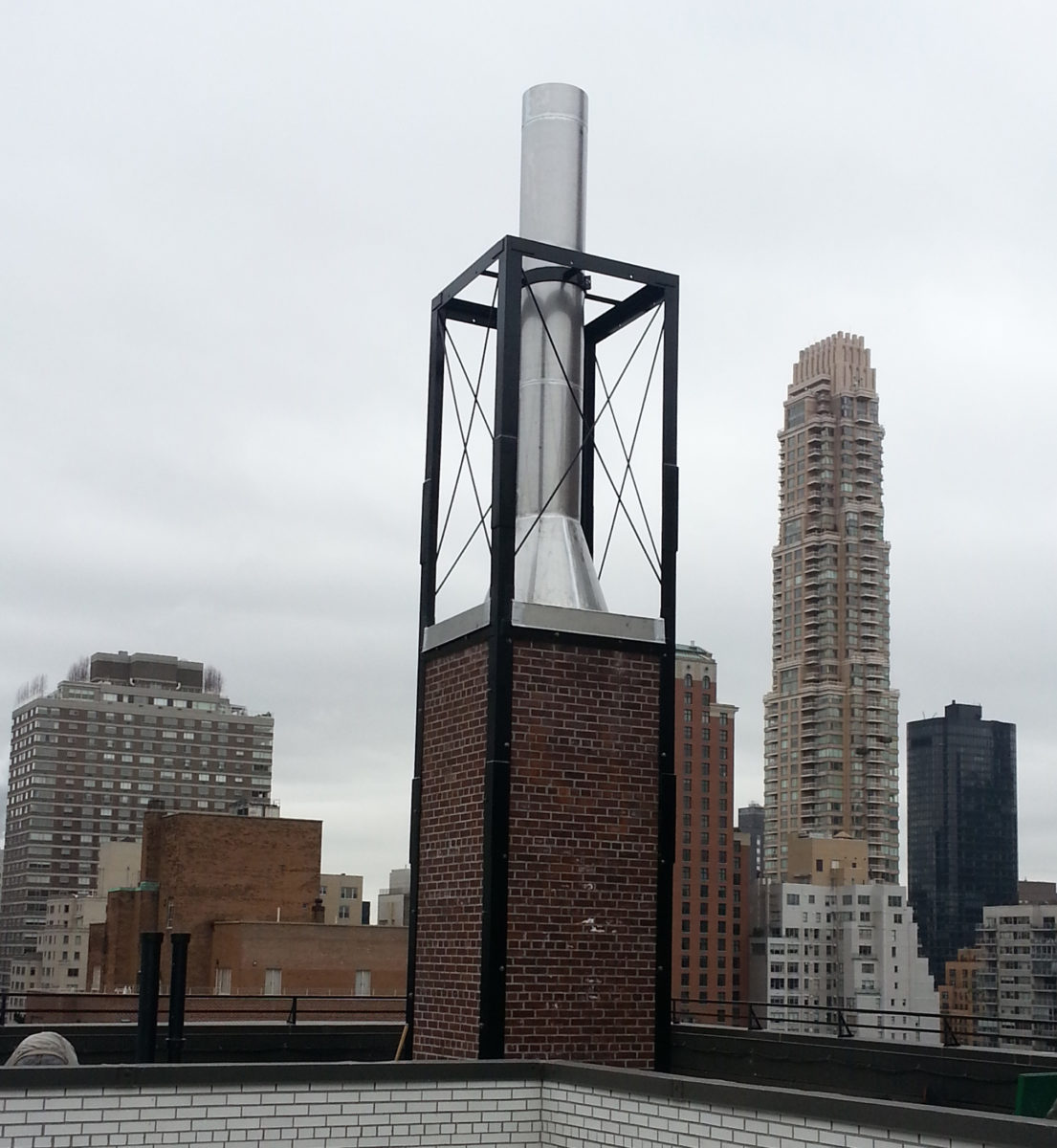
“How is smoke from a controlled fire source let out of a building?”
Controlled fire has all sorts of uses for humans. Whether it be keeping a home warm with a fireplace, heating water, or using an electric generator, something is there. But fire often releases particles into the air which may be harmful for human health. So how can we get rid of these? Well, what if we were to send the smoke through a chimney and out through a hole called a flue? This is the exact idea behind ventilation in modern architecture.
How Carbon Capture Should be Split Between the Western and Eastern United States
06/25/19
“Why should we deploy carbon capture devices in the Western US and plant trees instead in the Eastern US?”
As of right now, there is a fierce debate in the negative emissions technology space. Some believe that mechanical negative emissions technologies are too expensive and electricity dependent and that we should plant trees instead Others believe that trees take up too much water and land resources as well as provide fuel for fires. However, these solutions are not mutually exclusive, and should be deployed according to an area’s needs. In the Western US, water is scarce and is being more so while there is plenty of sunlight for cheap solar energy, making mechanical carbon capture devices quite practical. In the Eastern US, rain and water is plentiful and floods are happening more frequently, so planting a large amount of trees would be logical. This is How Carbon Capture Should be Split Between the Western and Eastern United States.
“How can we use technology to remove carbon dioxide from the atmosphere?”
Humanity is reaching a crisis point. We are adding so much carbon dioxide to the atmosphere each second that we will soon reach irreversible climate damage. To solve this, we’re going to need to use every technology we have at our arsenal, whether it be wide arrays of solar panels or intense energy efficiency measures. But the true kingmaker of solutions comes from a group of technology that is still quite ominous and undeveloped. These Negative Carbon Emission Technologies work by using a series of processes to store more carbon dioxide than they produce. This can be done in a multitude of ways, whether it be through planting more trees or capturing carbon from the atmosphere and shoving it down into the ground. With these solutions, we can tip the odds in our favor in our fight for decarbonization.
Whether it be from cooking on a grill or forest fires in California, the air quality seems to get much worse when wood is being burned. This is because the smoke from wood creates toxic carbon monoxide, smog-causing carbon monoxide, and other pollutants that pose serious harm to human health. This is Why Burning Wood is So Polluting.
Wildfires and resilience are hot topics right now in California. These usually occur during drier and hotter times of the year, when foliage conditions are more ripe for an outburst. That is why during Fire Season California needs to be much more prepared to take action.
In the wake of the recent California fires, more and more focus is going into preventing more fires. One of the root causes of all of this is the fact that when foliage dries up, it loses moisture, which prevent fires. This is Why Dry Foliage Is More Susceptible to Fires.




 Isaac's Science Blog