“How can we manage the amount of burnable fuels found in wildfires?”
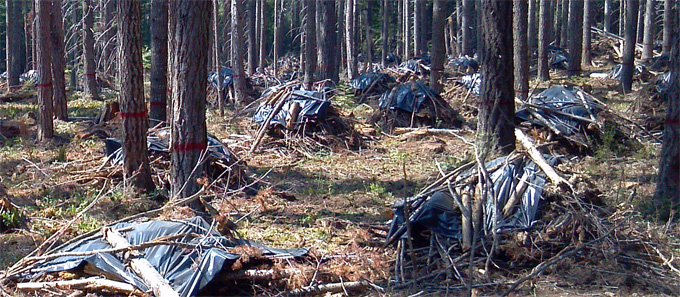
Wildfires are becoming an increasingly difficult problem in dense, forested, dry regions as a result of climate change. One of the most critical vulnerabilities in these areas are the fuel, or material that can ignite wildfires on the ground. Through Wildfire Fuels Management, we can look at what might be igniting these fires and ensure that proper mitigation is achieved.
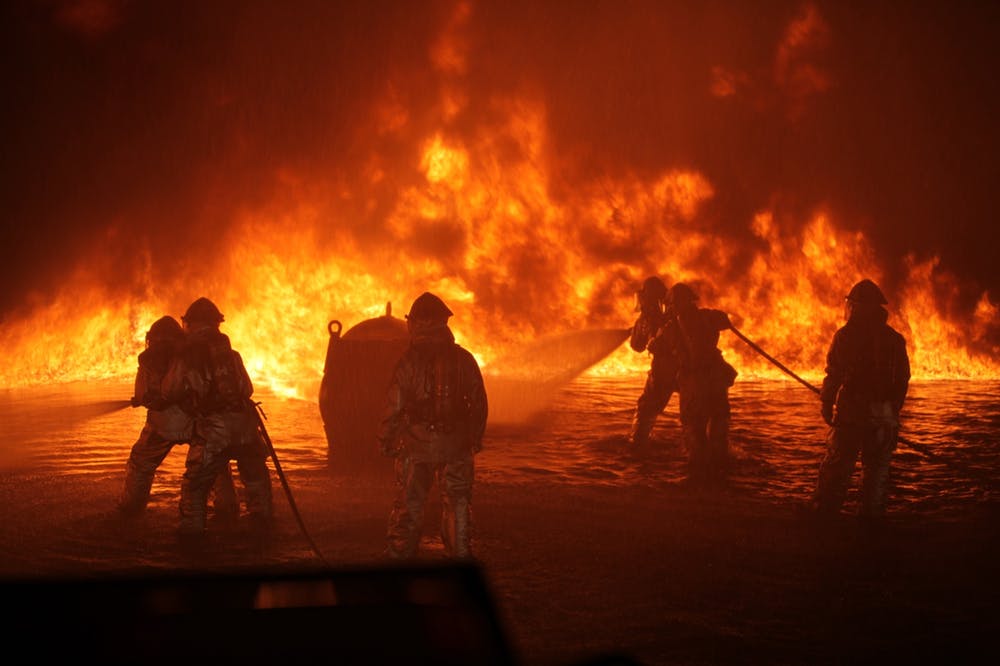
Wildfires pose a grave danger to the communities that are affected by them. Many active mitigation measures call to change this by employing Wildfire Suppression which stops fires in their tracks. This can either be done through firefighters on the ground or flame-retardant sprayed by helicopters.
“What is the border region between the wilderness and urban areas and why is it a resilience risk?”
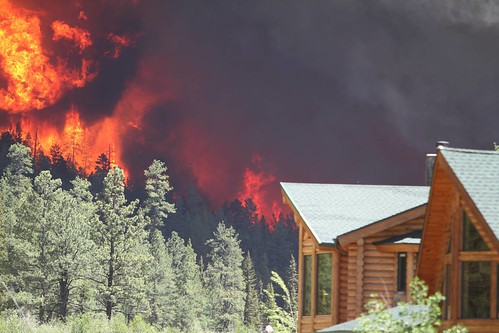
In the human imagination, urban areas and wilderness are two distinct areas. However, in reality, there is a transition zone known as the Wildland-Urban Interface, where human populations mix with forests. Because these areas usually contain copious amounts of burnable fuel, living inside them creates a risk for wildfires to occur. As such urban planners, civil engineers, and policymakers will need to work together to minimize human presence in these areas.
Why Too Much Wildfire Suppression Can Lead to More Fires
11/24/19
“Why should we calm down on wildfire suppression so more fires can be prevented?”
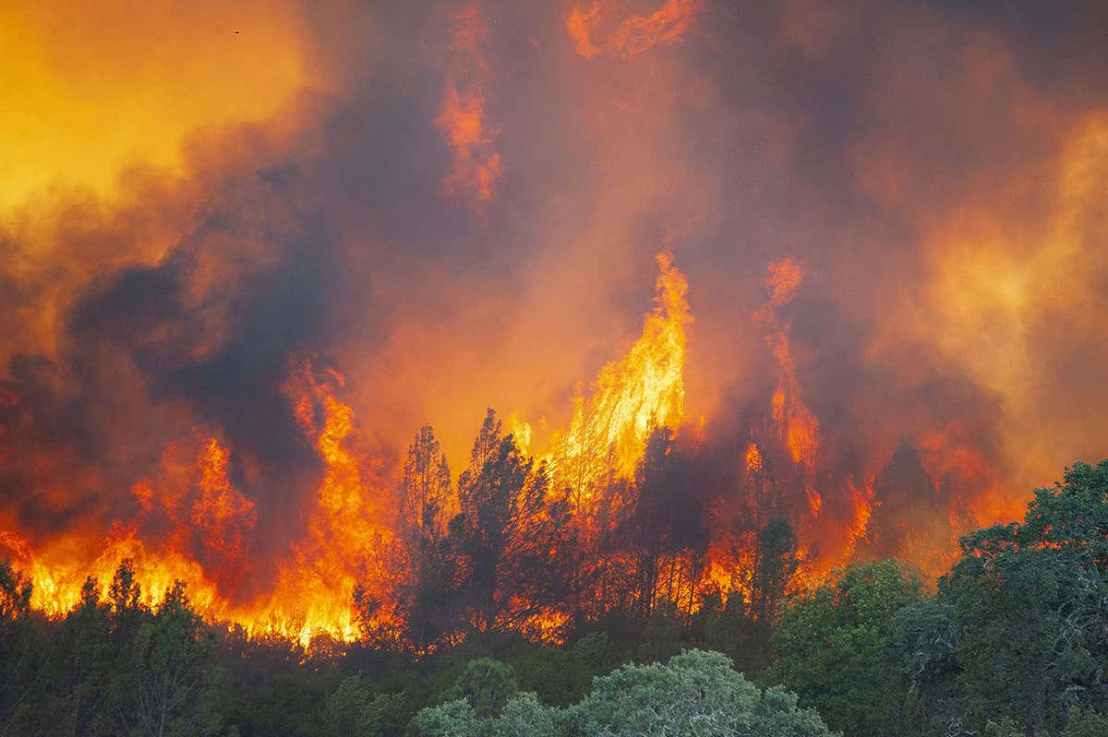
Wildfires can be quite scary. Their uncontrollable, deadly nature makes it inconvenient for municipal governments and damaging to nearby communities. For this reason, the wildfire emergency management programs in the United States, Canada, and Australia usually put out such disasters at first notice. However, this leads to a large amount of flammable material being present, making future wildfires bolder and even more deadly. To prevent this, controlled burns need to be instituted to ensure that regenerative processes can occur. This is Why Too Much Wildfire Suppression Can Lead to More Fires.
“How can we monitor weather conditions for wildfires?”
Wildfires have the potential to wreak devastation to entire communities, especially when exacerbated by climate change. To ensure that we can have situational awareness of when one might start, Wildfire Conditions Monitoring needs to be operational. This can include observing the temperature and dryness levels, analyzing what burnable materials are present, and keeping track of human activity. If done properly, wildfire mitigation can be vastly simplified.
“How can we mitigate wildfires before they happen?”
Wildfires are becoming the bane of every Mediterranean climate resident’s existence. And although emergency management is something necessary to develop, a milligram of prevention is worth a kilogram of cure. By practicing Wildfire Mitigation strategies, such as preventing flammable debris overgrowth, banning fire-inducing items such as cigarettes from dry areas, moving people out of burnable areas, and (in extreme cases) shutting down power lines. This has the potential to save dozens of lives and billions of dollars in property damage.
The increasingly dry and hot weather in Mediterranean climates brought about by global warming is causing wildfires to exponentially increase exponentially in intensity and size. To combat this, WIldfire Emergency Management, or response to thee events, needs to be revised and implemented across the board.
“How can green roofs be apart of flood resilience?”
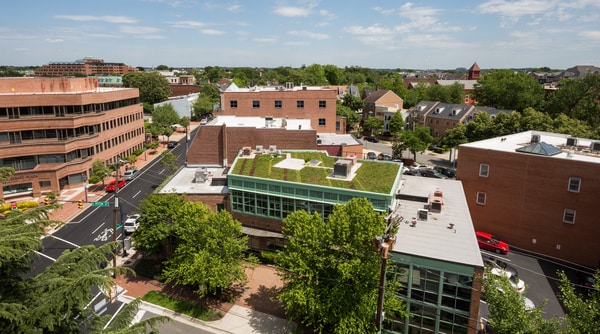
Climate change is bringing new weather patterns all over the world. In some areas, this will mean flooding in almost biblical proportions. Planting urban greenery on the ground is often sought as a natural way to combat this. However, this is usually implemented on the street level, and in many dense locations such as Manhattan or Hong Kong roofs take up a larger portion of the direct surface area and streets less so. So wouldn’t it be logical if we invest resources into creating green roofs that can absorb downpours? Not only would this divert flooding but also decrease air pollution and create produce that can be used by local communities. This is How Green Roofs Can Create Flood Resilience.
How to Build Resilience Against Fire-Inducing Winds
11/15/19
“How can we make our communities more resilient against fire-inducing winds?”
Strong winds have the potential to induce wildfires in hot dry climates. This threat will only be magnified by the transformed weather conditions induced by climate change. So how can we make our communities more resilient against these fire-inducing winds? Well, there are multiple ways of accomplishing this. First, more accurate weather prediction services can be developed so people can have a better sense of when strong winds are present. Another way is to develop microgrids connected to distributed energy resources to ensure a steady flow of electricity when the main grid has been shut down by the utility. Utilities can also underground transmission lines to insulate them against the effects of strong winds. These are only a few ways that we can think about How to Build Resilience Against Fire-Inducing Winds.



 Isaac's Science Blog