Month: April 2023

Why the Trajectory of Climate Migration Policy is Incredibly Dependent on Current Political Administrations

Why the Trajectory of Climate Migration Policy is Incredibly Dependent on Current Political Administrations

Why the Trajectory of Climate Migration Policy is Incredibly Dependent on Current Political Administrations

04/11/23

“Why is the trajectory of climate migration policy incredibly dependent on current political administrations?”

The foundations of climate migration policy are being crafted right now, whether it be the U.N General Assembly identifying climate migrants as needing protection or Bangladesh’s research into climate displacement within its own borders. While the future currently seems bright for climate migration policy, it could be thrown off course by political actors. Since it is so nascent, whatever administrations are in power will be the ones defining these matters. More progressive governments will have to fight more conservative ones on climate migration policy is going to look like. This is Why the Trajectory of Climate Migration Policy is Incredibly Dependent on Current Political Administrations.

Why Cities Near Bodies of Water Should Consider Requiring Building Elevation for Future Construction

Why Cities Near Bodies of Water Should Consider Requiring Building Elevation for Future Construction

Why Cities Near Bodies of Water Should Consider Requiring Building Elevation for Future Construction

04/10/23

“Why may cities near bodies of water want to require building elevation for future construction?”

May cities near bodies of water are going to face rising tides. This will lead to more frequent and deadly flooding and potentially permanent landscape erosion. However, if future buildings are elevated, they will be naturally adapted to the new climate paradigm. If all construction in flood-prone cities is elevated, then the entire community would benefit greatly. This is Why Cities Near Bodies of Water Should Consider Requiring Building Elevation for Future Construction.

Diesel Locomotives

Diesel Locomotives

Internal Combustion Engine Diesel Locomotives

04/09/23

“How can internal combustion engines be used to power trains?”

Steam powered the first generation of locomotives. But as diesel internal combustion engines became more sophisticated, they were soon ported to locomotives. Diesel Locomotives were the result of these efforts and are now the most common engine type for trains.

Steam Locomotives

Steam Locomotives

Steam Locomotives

04/08/23

“How was the earliest type of locomotives powered?”

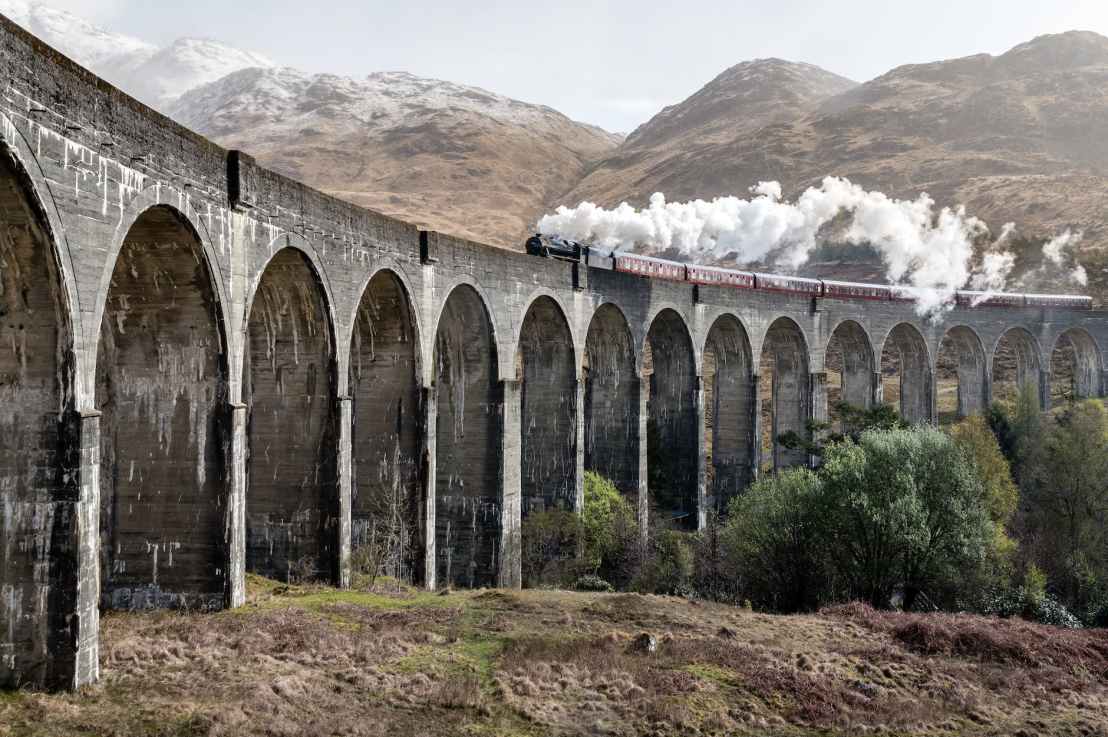
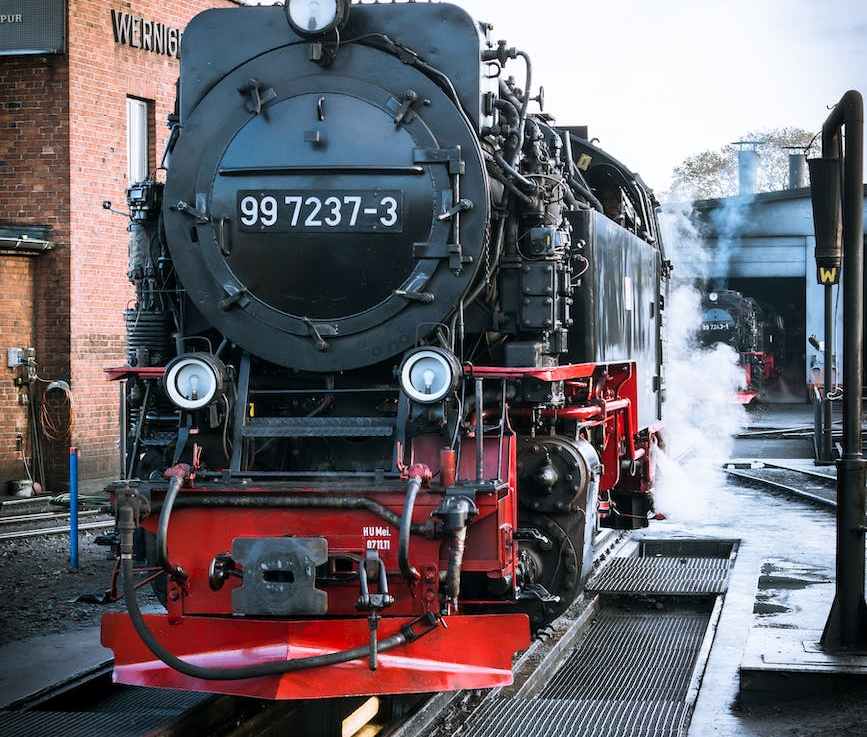
Steam-driven engines are what birthed the industrial revolution. The force of the boiled water can drive pistons to achieve work and move. One of the most iconic examples has been Steam Locomotives. Steam locomotives use wheels powered by steam pistons to move forward vehicles and cargo. Steam locomotive trains are some of the most iconic machines to ever grace the planet.

Locomotives

Locomotives

Locomotives

04/07/23

“What powers trains forward?”

Trains are a marvel of the modern world. These powerful machines push forward at tremendous speeds and have powerful momentum. But how exactly are trains powered? Well, the driving force is an engine that propels the vehicle it inhabits and everything it’s attached to. These locomotives are the beating hearts of trains and are one of their most vital components.

Train Orders

Train Orders

Train Orders

04/06/23

“How do railway officials govern how a train is safely moved?”

Train systems are massive, complex systems. At any given moment there can be thousands of individual locomotives running freights and passengers around the world. But how are these behemoth machines governed? Well, in North America and Australia, commands are commonly carried out through Train Orders. According to Railway Age’s Comprehensive Railroad Dictionary [1], train orders are “order[s] issued by or through a proper railway official to govern the movement of trains”. In other words, train orders are movement commands dictated by railway officials.

Citations

[1] “Train order”. Railway Age’s Comprehensive Railroad Dictionary. Simmons-Boardman Books. 2002. p. 256. ISBN 0-911382-27-5.

Post Mounted Railway Signals

Post Mounted Railway Signals

Post Mounted Railway Signals

04/05/23

“How are railway signals mounted to a post classified?”

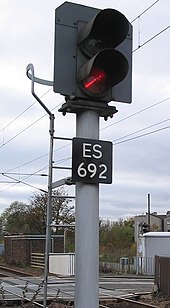
Railway signals are used to direct trains to upcoming changes. For single-track systems, these signals are typically mounted on a post. This is so the engine driver can see it from a distance at high speeds. These Post Mounted Railway Signals are one of the most ubiquitous types of railway information systems around the world.

Railway Color Signals

Railway Color Signals

Railway Color Signals

04/04/23

“How can railways communicate signals through colored lights?”

Railways often have to send signals to their trains to perform specific actions. One such example includes Railway Color Signals. Railway color signals use giant signs with emitted lights to convey a specific meaning. Colored signals can be used to make train stop signals to conductors.

Image credit upload.wikimedia.org

Train Stop Signals

Train Stop Signals

Train Stop Signals

04/03/23

“What are train stop signals and why are they so important?”

Trains travel thousands of kilometers to complete their transportation goals. But they may need to stop along the way, whether it be to let passengers off or another train pass. To accomplish this, Train Stop Signals command the train to slow to a halt. Train stop signals can be a lifesaver in collision prevention. If they don’t work, then drastic consequences may happen.