Month: September 2018

How IoT can help Wind Turbine Maintenance

How IoT can help Wind Turbine Maintenance

How IoT can help Wind Turbine Maintenance

09/21/18

“How can IoT help make sure that wind turbines are operational?”


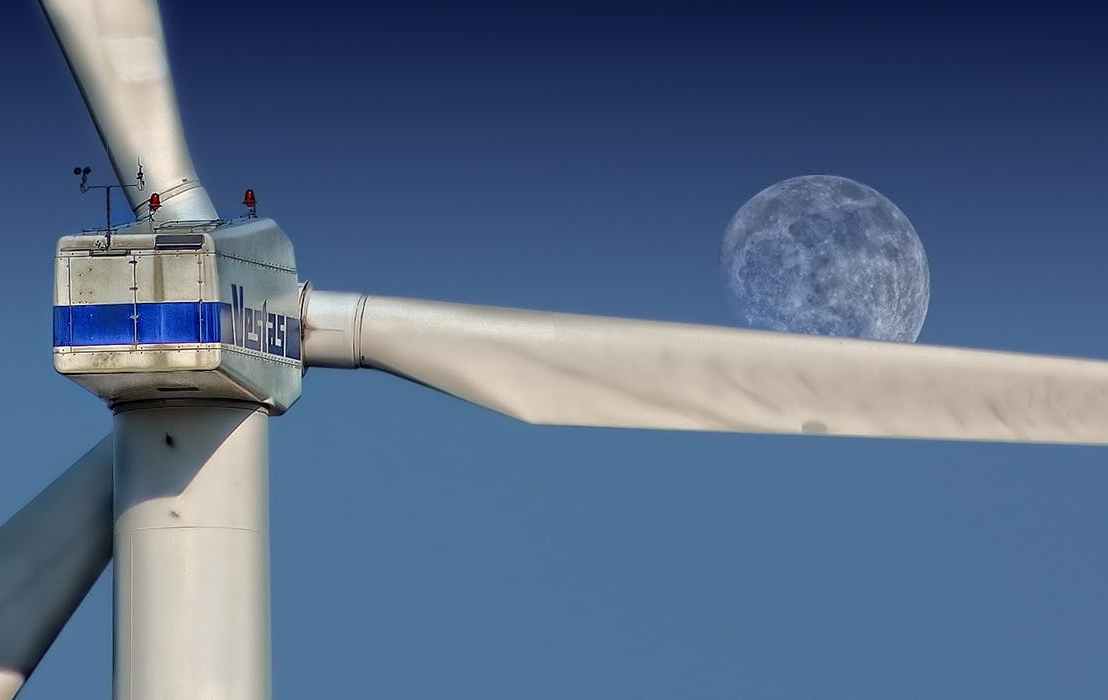
The Internet of Things is on the rise. From building automation systems to fleet platooning, it can be found everywhere. But did you know that IoT can help Wind Turbine Maintenance? Well, it turns out that by placing sensors which can monitor the performance of internal components, we can predict when systems are going faulty. This will have monumentous implications with the ever-increasing supply of wind energy.


How Electric Vehicle Charging Forecasting will Help with Net Zero Emissions Policy

How Electric Vehicle Charging Forecasting will Help with Net Zero Emissions Policy

How Electric Vehicle Charging Forecasting will Help with Net Zero Emissions Policy

09/20/18

“How can predicting electric vehicle charging help with environmental policy?”


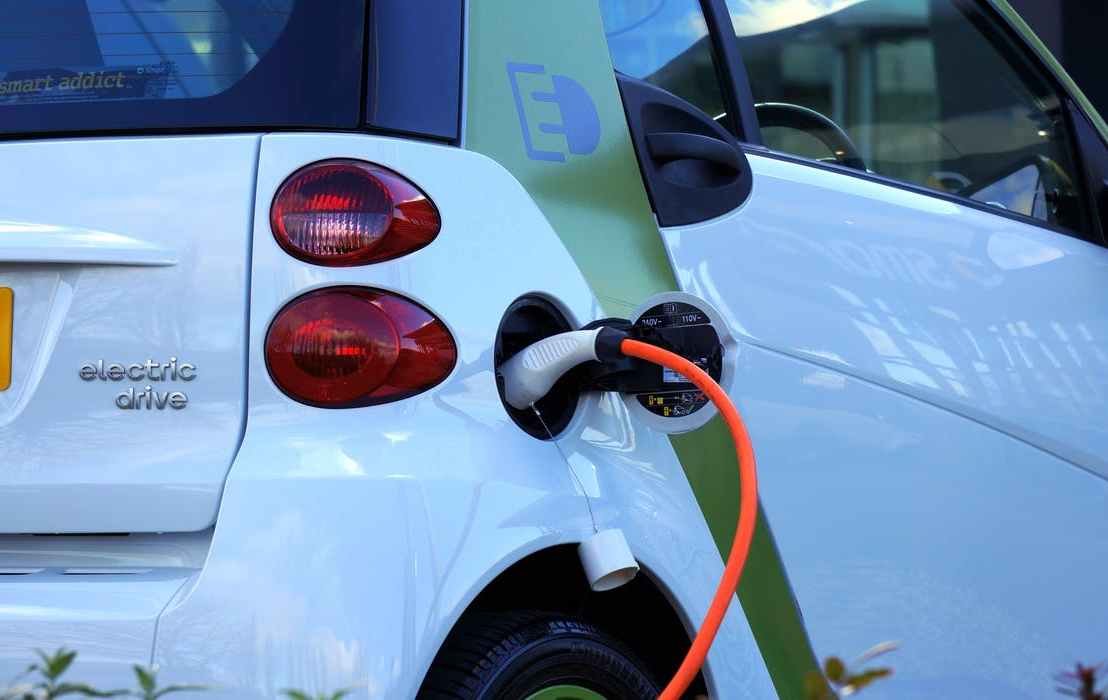
Electric Vehicles are one of the fastest growing market segments in the world. Their smaller pollution factor will greatly help in decarbonization policy. But they have one catch to them. Because they require a great deal of charging and might replenish their energy at non-peak generation times, they have the potential to cause great harm to the grid. But if we can predict when and how EVs will charge it can allow us to plan out policies to achieve balance. This is How Electric Vehicle Charging Forecasting will Help with Net Zero Emissions Policy.


Residential and Commercial Installed Solar PV Prices Still Falling in the U.S

Residential and Commercial Installed Solar PV Prices Still Falling in the U.S

Residential and Commercial Installed Solar PV Prices Still Falling in the U.S

09/19/18

“Solar prices are still falling in the U.S!”


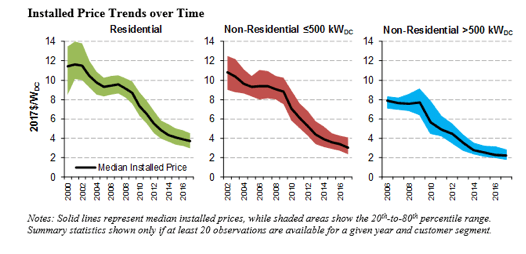
Small news update. According to a study by Lawrence Berkeley National Lab, the price of a median-sized installed solar PV has declined around 5% from the first half of 2017 to the second half. This and other information shows that Residential and Commercial Installed Solar PV Prices Still Falling in the U.S.


Photo credit renewableenergyworld.com

Why Renewable Energy would be a Great Investment for Indonesia

Why Renewable Energy would be a Great Investment for Indonesia

Why Renewable Energy would be a Great Investment for Indonesia

09/18/18

“Why should Indonesia invest more in renewable energy?”


Indonesia is a nation whose size is only matched by its diversity. An archipelago comprising of 17,000 islands with over 242 million people speaking over 300 different languages, it truly is a behemoth to behold. Currently, Indonesia generates around 84% of its energy from fossil fuel resources. But increasing its portfolio of renewable energy could be greatly beneficial to it.


  1. Ideal Climate for Renewable Energy


Being a chain of islands near the equator in the Southern Pacific Ocean, Indonesia has a great opportunity to tap into solar and offshore wind energy.


  1. Distribution

Since Indonesia is composed of a series of islands which are subject to typhoons, having a more distributed energy mix would be very helpful. Islands can generate their own electricity, microgrids can kick on during storms (something that would also be helpful to places with similar geography like Puerto Rico)


  1. Lower Pollution

Air pollution causes a myriad of public health problems which dampen the national economy. By switching to renewable energy this issue can be averted.


And these are just some of the reasons why Indonesia should switch to Renewable Energy!


How Adding Fins can Achieve Better Thermal Management

How Adding Fins can Achieve Better Thermal Management

How Adding Fins can Achieve Better Thermal Management

09/17/18

“How can adding fins help thermal management?”


In engineering, objects can overheat from a variety of operations. As a result, they will need some form of thermal dissipation. But how can we do this? Well, let’s use our engineering mindsets to find out. We know that if we add more surface area to an object, then it will be more exposed to the surrounding atmosphere. And if it is more exposed, then more heat transfer will take place. So what if we were to make our system more conductive by adding fins? This is the fundamental idea of How Adding Fins can Achieve Better Thermal Management.

How Hurricane Florence will Test Solar Resilience

How Hurricane Florence will Test Solar Resilience

How Hurricane Florence will Test Solar Resilience

09/16/18

“How will Hurricane Florence serve as a test-case for solar resilience?”


Hurricane Florence is about to descend into the U.S State of North Carolina, which has the second highest amount of solar energy capacity in the nation. During this time we will be able to see firsthand how solar PV systems will respond to a hurricane and their level of resilience.


Photo credit Renewable Energy World

My Time as a Volunteer for the Global Climate Action Summit

My Time as a Volunteer for the Global Climate Action Summit

My Time as a Volunteer for the Global Climate Action Summit

09/15/18

“What was it like to be a volunteer at the Global Climate Action Summit?”


Things in Washington D.C have changed drastically over the past few years. With the ascent of the new administration, promises that the United States has made to the world have been broken. Chief amongst these has been the withdrawal of the Paris Climate Agreement, a worldwide accord to limit greenhouse gas emissions to prevent global temperatures from rising 2 degrees Celsius above pre-industrial levels.


Thankfully, this action does not reflect the mindset of the entire United States. This is why several groups and individuals have decided to organize the Global Climate Action Summit, a multi-day gathering of trailblazing leaders from a variety of sectors to discuss their ideas and support for climate change mitigation. The event took place in the majestic city of San Francisco, from September 12th to the 14th, and I was lucky enough to be chosen as a volunteer delegate greeter for the last day.


I started my morning traveling over 77 km (48 miles) from my apartment in San Jose to San Francisco using three different modes of public transportation (light rail → bus → BART (subway)) to keep my journey a low-carbon one.  

Displaying IMG_20180914_095341.jpg


Displaying IMG_20180914_103633.jpg

Once I arrived in San Francisco, I quickly made my way over to the Moscone Center where the volunteer check-in was being held.

Displaying IMG_20180914_121300.jpgDisplaying IMG_20180914_122323.jpg


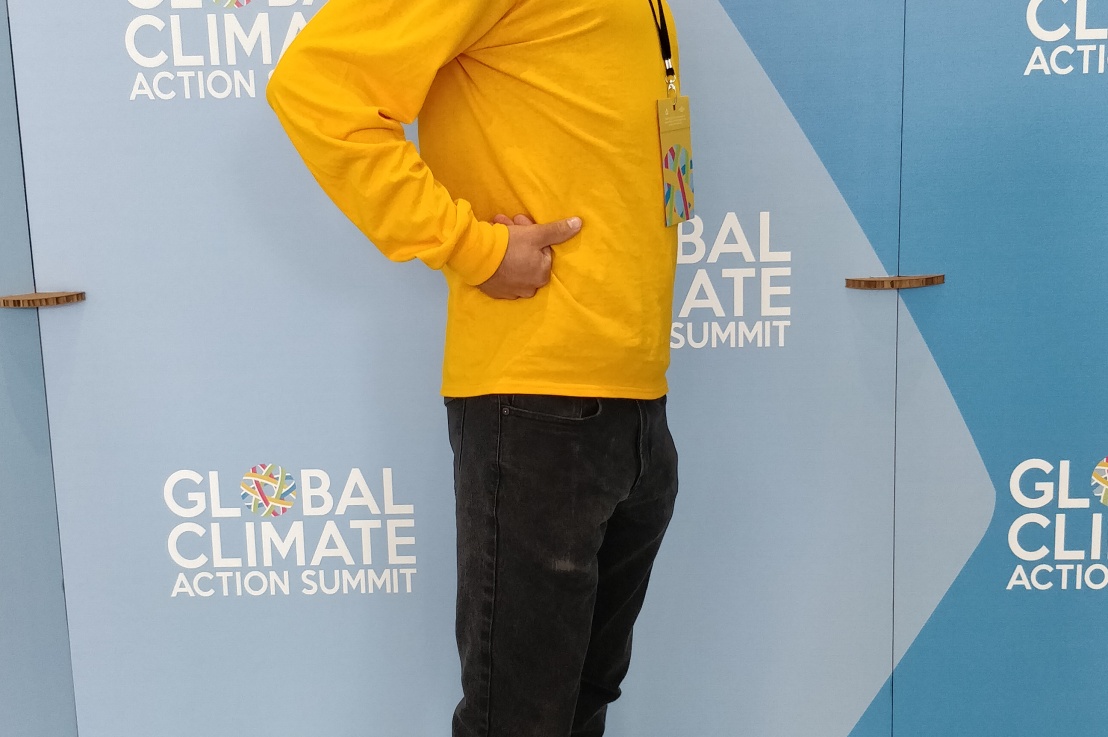
I was quickly registered with the system (and got a neet yellow shirt!) and met some of my coworkers for the day.

Displaying IMG_20180914_122337.jpg

Displaying IMG_20180914_123728.jpg

Displaying IMG_20180914_123730.jpg

We then made our way to a local cafe to get some lunch. I brought my own homemade Rice and Beans, but that didn’t stop me from using my free ticket to get a Dragon Fruit Parfe!

Displaying IMG_20180914_124424.jpg

Displaying IMG_20180914_124920.jpg

Once we finished lunch, we scurried back to the registration table where we were then escorted to the rooms where we were assigned to work. I was given a space focused on Climate Change Adaptation (one of my favorite topics in the world!).

Displaying IMG_20180914_134809.jpg

With the help of my fellow delegate greeters, we were able to control the swarm of international leaders coming into the conference room.

Displaying IMG_20180914_142946.jpg

Displaying IMG_20180914_143445.jpg

Once everyone was settled in, we were able to join the audience in the seminars. we were able listen to a diverse array of speakers talk about a whole platter of topics related to Climate Change, whether it was a Montanna Wildland Firefighter and Student discussing about how fires are becoming more and more exacerbated, Community leaders explaining how to restore dignity among Indigenous people, (with special emphasis to Girls and Women) against the effects of Climate Change, the President of the American Geophysical Union elaborating on how Scientists need to connect to Policy-Makers, and many more.

Displaying IMG_20180914_145254.jpg

Displaying IMG_20180914_151915.jpg

Displaying IMG_20180914_154804.jpg

Once the event was done, everyone slowly made their way out of the main building and into the main floor, where some networking and awesome picture taking was done.

Displaying IMG_20180914_170456.jpg

I had an unforgettable experience at the Global Climate Action Summit. The set-up, the speakers, and the volunteers were all many standard deviations above the norm. To meet so many people from so many different countries, work fields, and walks of life focusing on one of the greatest existential threats to humanity was simultaneously humbling yet motivating. I learned so much about what can be done and what I should do. Definitely worth every second spent.

Speaking of not forgetting, I think I should take the time to thank everyone who made this time in my life all possible. Thank you Reshma Singh for making me aware of this opportunity, Nikka Tahan for being such a great organizer, everyone who managed, volunteered, spoke, and attended the summit for making it so cool, and most of all every janitor, security guard, and piece of support who did such a fantastic job at the venue!


Hope to see all of you later, and happy 1,000 posts on the Science Blog!!!


Image credit c40cities.com
How Climate Change is Making Hurricanes More Dangerous

How Climate Change is Making Hurricanes More Dangerous

How Climate Change is Making Hurricanes More Dangerous

09/14/18

“How is Climate Change making Hurricanes more dangerous?”


With the advent of Hurricane Florence in the Eastern U.S, I think I should give a short explanation about how climate change exacerbates hurricanes. When the Earth’s temperatures become warmer than the air will hold more water vapor and the oceans will heat up and expand. When hurricane storms strike through the ocean, they will pick up more rain and move at a much faster pace. This ends up making hurricanes much more powerful and destructive. Reflecting, I think that this is just another reason we should invest in sustainable infrastructure and Climate Change Resilience.

Dust on Solar Panels

Dust on Solar Panels

Dust on Solar Panels

09/13/18

“What happens when dust collects on solar panels?”


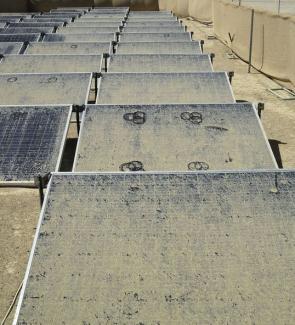
Solar panels are the fastest growing source of energy in the world. But like every piece of technology, they have their issues. When the dust settles on solar PV, it blocks the PV cells from the sun and reduces the efficiency. Therefore, Dust on Solar Panels can pose serious problems.


Image credit http://wamda-prod.s3-eu-west-1.amazonaws.com