Month: April 2018

Heat Flux

Heat Flux

Heat Flux

04/21/18

“How can we classify heat flow without knowing the area?”


Heat flow is usually thought to be how fast heat can be transferred through a given volume. However, sometimes we may not know about the surface area of our system. So how can we use our scientific mindset to find out? Well, what if we were to simply make a new property, which only classified heat flow for a given length? This is known as a Heat Flux and is applied in engineering systems all over the world.


Small Modular Reactors

Small Modular Reactors

Small Modular Reactors

04/20/18

“How can we make smaller reactors?”


When we think of Nuclear Engineering, we probably think about these big massive infrastructure projects. However, is it possible to make smaller versions? Well, thanks to continual investments in research by scientists and engineers, smaller reactors that can be built in a plant and assembled on site known as Small Modular Reactors, which have increased containment efficiency and heightened nuclear security.

Combined Loading

Combined Loading

Combined Loading

04/18/18

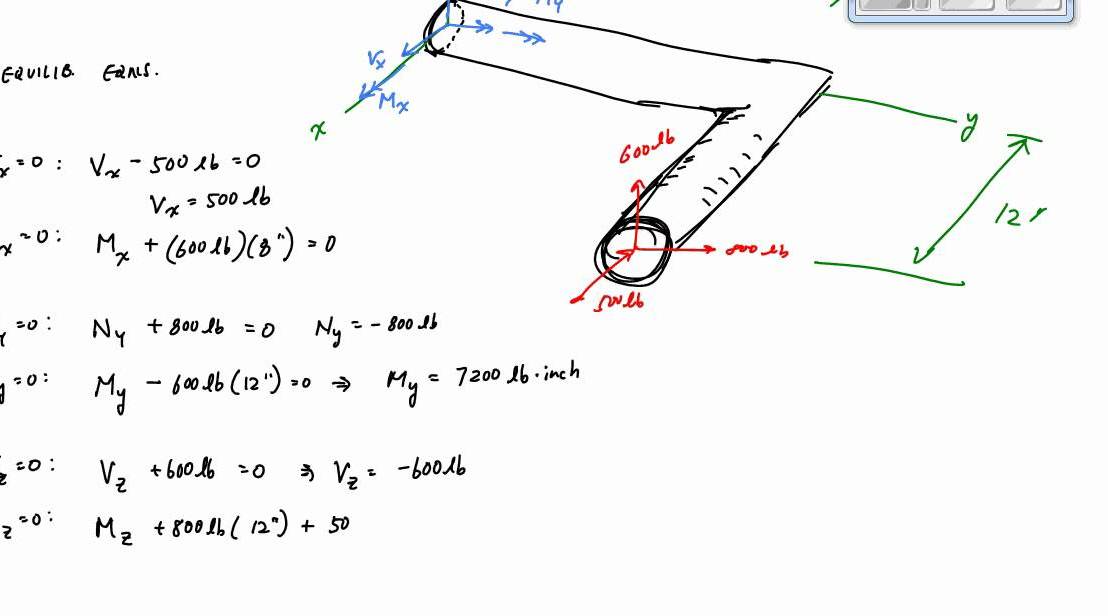
“What happens when an object experiences multiple types of loading simultaneously?”


Objects are subjected to loading all the time, whether it be torsion or bending. However, sometimes objects have to experience both at the same time. So what can we do to analyze these cases? Well, Engineers have developed a technique known as combined loading which takes into account both factors and produces a more accurate output.

Von Mises Stress

Von Mises Stress

Von Mises Stress

04/16/18

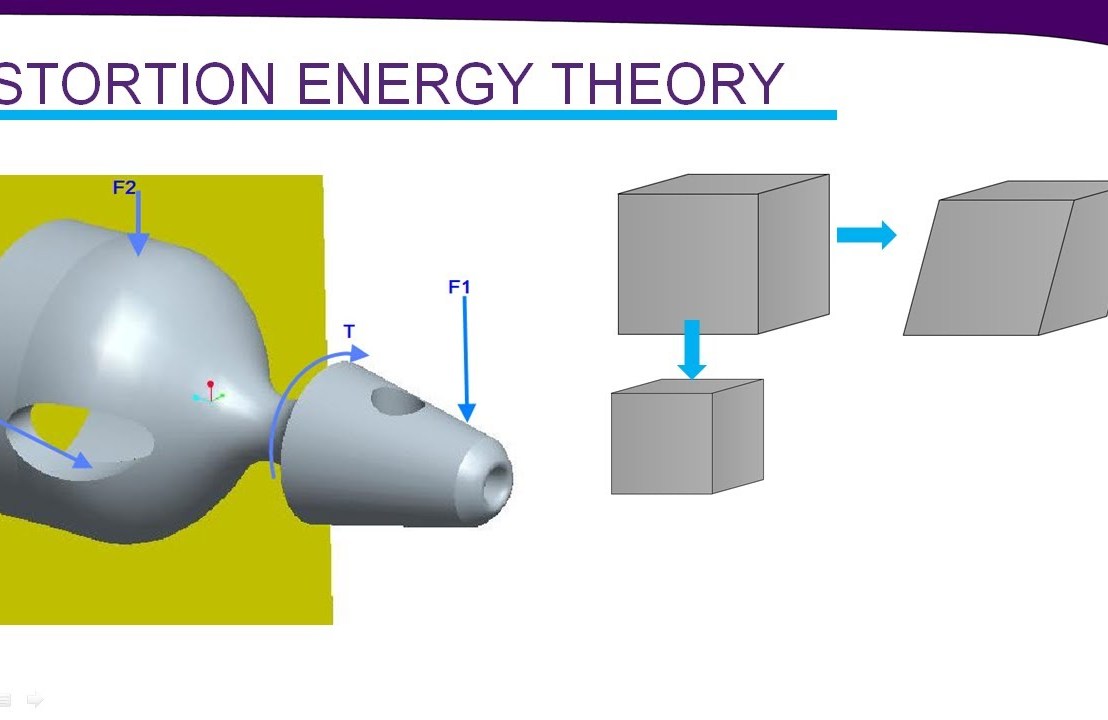
“How can we more accurately predict an object’s failure?”


One of the most important duties of a design engineer is to ensure that objects do not fail. However, classical failure theory does not always suffice. Instead, we must use more advanced concepts. One example of this is the Von Mises Stress, which is characterized by a superposition of all of the stresses on the object. If the Von Mises Stress is greater than the yield stress, then failure will occur. The formula for Von-Mises Stress is given by sigma_v = sqrt (sigma_1^2+sigma_2^2+sigma_3^2-sigma_1*sigma_2-sigma_2*sigma_3-sigma_1*sigma_3), where sigma_v is the Von Mises Stress and sigma_1,sigma_2, and sigma_3 are all stress superposition values. The Von Mises Stress can be visualized as an ellipse in 2 and 3 dimensions.

Undergrounding

Undergrounding

Undergrounding

04/15/18

“How can we distribute electricity underground?”


Most of the time, when we think of electricity distribution, we think of overground cables. However, sometimes cables can be laid underground. This allows for an area to have a better aesthetic and the wires to be less prone to earthquakes, wind, or malfunctioning. On the flipside, doing so is much more expensive and difficult.

Design for the Environment

Design for the Environment

Design for the Environment

04/14/18

“How can we design items so that they are not harmful to human health and the environment?”


Traditionally, human-made items and products have been designed without regard for the environment. However, how can we use our engineering mindset differently? Well, through one method known as Design for the Environment, items will be designed such that processing, manufacturing, packaging, and energy efficiency of their life-cycle will use as little resources as possible.

Biogas from Pig Farms

Biogas from Pig Farms

Biogas from Pig Farms

04/13/18

“How can we make sure to not waste pig waste?”


Every day, pigs in farms make waste. And oftentimes this waste is thought to be useless. However, energy officials from Duke University think a bit differently. Plans are being made to create an energy system that can take in pig waste in surrounding North Carolina farms and use it as power. Therefore, we can create biogas from pig farms!