Tag: Mechanical Engineering

Why Lithium-ion Batteries are Better for Renewable Energy Integration

Why Lithium-ion Batteries are Better for Renewable Energy Integration

Why Lithium-ion Batteries are Better for Renewable Energy Integration

10/11/17

“What is one possibility to solve renewable energy storage?”


Subject Solar Energy / Storage Innovations

Date: October 11, 2017

Purpose

I am writing to you to inform you about recent difficulties in solar energy integration. As it stands, solar energy is generated in an active form, meaning that once created it must be used immediately. To solve this, we can deploy Lithium-ion batteries to act as reservoirs.

Summary

Lithium-Ion Batteries have properties that make them a strong option for renewable energy integration. Lithium-ion batteries are composed of lithium and carbon, giving them special characteristics. However, these same properties also give Lithium-Ion Batteries special problems, such as being prone to spontaneous explosions. (Brain, 2006)


Background

One of the major bottlenecks to renewable energy integration is a lack of viable storage mechanisms. One of the most viable solutions, battery systems, has numerous drawbacks. They can take up large amounts of space, and provide a low energy to space ratio. Consequentially, the current battery technology paradigm needs to be overhauled.


Discussion

Introduction

Lithium-Ion Battery Technologies are a new battery technology. Because of their unique properties, they hold much potential for Renewable Energy Storage. However, this same composition that makes it special also makes it potent for mishap.

Advantages

Lithium-ion Batteries include numerous advantages. Their much more energy dense, meaning that a small volume can hold a lot of charge, bypassing the previous space issue. They also tend to keep this charge, losing only 5%/month compared to the average 20%/month, allowing renewable energy to be stored for a longer time. They also can also be charged before they run out of power and can handle hundreds of charge/discharge cycles, making them quite viable for being used as battery storage with the dynamic character of renewable energy. (Brain, 2006)

Drawbacks

These batteries also come with numerous drawbacks. They start degrading once manufactured, decay faster in the presence of high temperatures, are ruined upon complete discharge, require an onboard control system, and most importantly, may burst into flame spontaneously if it overheats. (Brain, 2006)

How we can overcome this

Keep these batteries in low-temperature facilities. This will keep their charge more stable, have it degrade slower, and most importantly prevent spontaneous explosions.


Conclusion

Even with their flaws, Lithium-ion technology holds much potential for use in renewable energy integration. Their high energy density combined with their ability to handle dynamics charging and discharging gives them an unparalleled capacity to work with renewable energy. If we can store them in colder locations, then we can also greatly reduce their drawbacks.


References

Brain, Marshall. “How Lithium-Ion Batteries Work.” How Lithium-Ion Batteries Work | HowStuffWorks, HowStuffWorks, 14 Nov. 2006, electronics.howstuffworks.com/everyday-tech/lithium-ion-battery.htm.


Damp Proofing

Damp Proofing

Damp Proofing

10/08/17

“How can we prevent moisture from seeping into a building?”


Many people around the world live in very damp places. In such locations, moisture often seeps into interior spaces, causing great discomfort and sanitary issues to the people who love inside. So how can we use our engineering mindset to solve this problem? Well, what if we were to insulate our buildings with materials that could resist the passage of water? Well, this is the idea behind damp proofing and is a very vital service for many people in this world.

Superinsulation

Superinsulation

Superinsulation

10/07/17

“How can we use insulation to maximize a building’s temperature inertness?”


If you live in an environment where the daily temperature can change very rapidly such as the Midwestern United States, you might want your home and office to be as thermally inert as possible. So how can we use our engineering mindset to solve this problem? Well, we know that if we use insulation then a building’s temperature will be more stable. So what if we were to just maximize our insulation to the limits? This is the idea behind superinsulation and is a new approach and radical approach to building design.

Exhaust hoods

Exhaust hoods

Exhaust hoods

10/06/17

“How can we make sure that air is properly filtration in kitchens?”


We have a problem. Kitchens, the same thing that we use to help sustain ourselves, commonly have too many airborne chemicals that could be disastrous for health. So how could we use our engineering mindset to solve this problem? Well, what if were to just implement a mechanical fan that would remove all airborne particulates? This is the idea behind an exhaust hood and is used in households worldwide.

Superchargers

Superchargers

Superchargers

10/05/17

“How can we increase the pressure and density of air supplied to an internal combustion engine?”


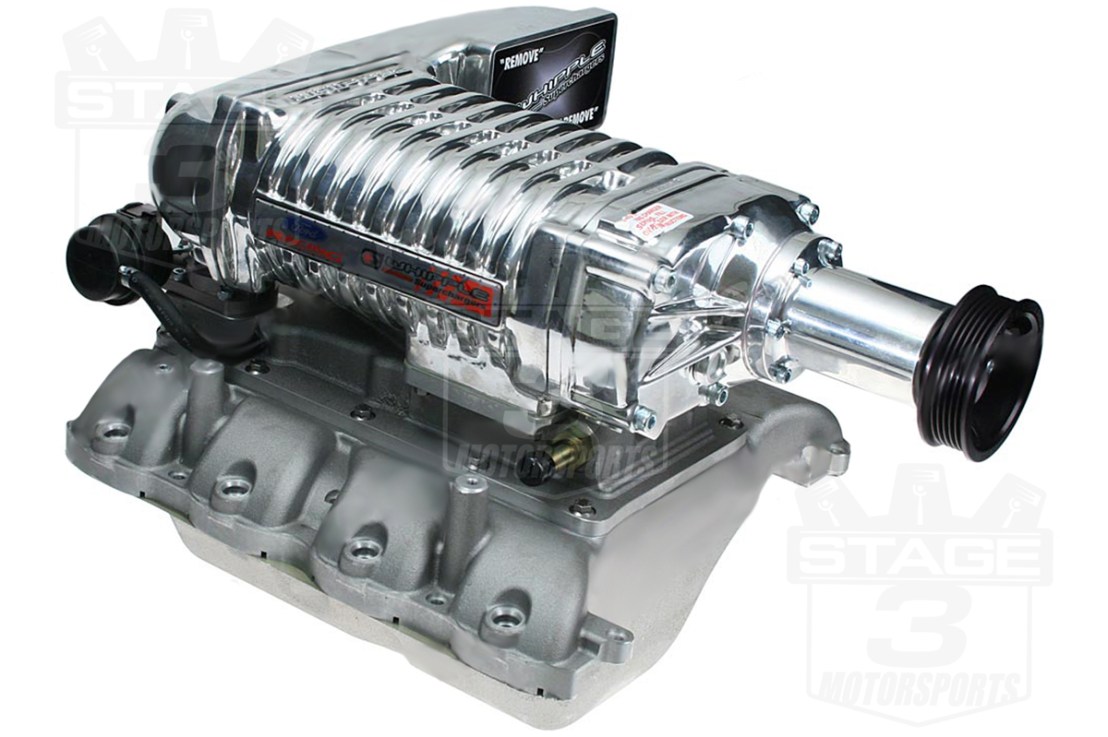
Internal combustion engines are famous can consume a lot of energy. However, we can drastically reduce the amount of energy to power them by pre-increasing the pressure and density of supply air with a special type of compressor called a supercharger. Superchargers come in many different varieties and can be found in automobiles all over the world.

Water Heat Recycling

Water Heat Recycling

Water Heat Recycling

10/04/17

“How can we recycle some of the warm water from our showers?”


There is something very wrong with our water use. We spend a great deal of energy making hot water for our showers, and once it’s used it gets completely wasted! So how can we use our engineering mindset to solve this problem? Well, we know that this hot water has a certain amount of energy associated with it. And we also know that we can extract some of this energy to perform useful processes. So what if we were to take the wasted water and run it through a heat exchanger to warm some other water? This could save us a large amount of time and energy dedicated since if we wanted to warm up the other water to be used in household applications, we would need less energy. This is the fundamental idea behind Water Heat Recycling and is used in buildings all over the world.

How microgrids can help get Puerto Rico back on its feet

How microgrids can help get Puerto Rico back on its feet

How microgrids can help get Puerto Rico back on its feet

10/03/17

“How can the people of Puerto Rico use microgrid technology to help get their infrastructure up and running?”


For those of you who are out of the loop, a recent hurricane has totaled the energy infrastructure of Puerto Rico. As much as 95% of the island is out of power, affecting around 3.5 million individuals! But how can the people of Puerto Rico use their engineering mindset to fix this problem? Well, if they have been keeping up on recent trends, then they might have heard of a little technology called microgrids. They can be set up much quicker than for a centralized grid to be repaired and are even cheaper to run. The German company Sonnen GmbH is already supplying the people of Puerto Rico with these much-needed systems.

Autonomous Buildings

Autonomous Buildings

Autonomous Buildings

10/02/17

“Can we create buildings that provide all of its own needs?”


Buildings are traditionally created with the assumption that all resources such as energy and water will be provided by an external source. But what if our area does not have such a privilege? Well, what if we to use our engineering mindset to make buildings that provide their own necessities, such as using onsite generation for electricity, recycling water systems, and even hydroponics for food? Well, this is the fundamental idea behind autonomous buildings and is an idea to be taken into great consideration for future architects and engineers.


Louvers

Louvers

Louvers

10/01/17

“How can we have open windows that prevent rain from coming in?”


Open windows can be great for letting in air and light to brighten up a home. However, one downside is that they can’t protect buildings from the rain. So can we use our engineering mindset to fix this? So what if we were to simply add in blinds with horizontal slants? This would protect us any vertically following objects. Well, this machine is known as a louver and is used in homes around the world as a low-cost solution for internal climate control.