When working with high-precision machinery, we often want to be able to turn a screw in a very controlled manner. However, doing so manually is quite a complicated task. So how can we use our engineering mindset to solve this problem? Well, let’s start with some mechatronic theory. We know that if we energize a motor, it will move rotationally. And if it does so in a belt-train system, then the entire system will move. Furthermore, if we attach a piezo on the lower chain, then it can push back in response to pressure. So what if we were to combine all of these aspects into one unified system? Well, we would then obtain a very useful engineering instrument known as a picomotor, and can be found in precision motion devices everywhere.
How California Might Share its Renewable Resources
03/15/18
“Why and how might California share its renewable energy resources?”
For decades, the vast majority of energy in California has been controlled on it’s regional grid called CALISO. Because only California appointees can sit on its board, other U.S states have been reluctant to join. However, with the exponential rise of its solar energy resources, too much energy is being generated during the daytime. So much so, that California is thinking about working with its close neighbors Oregon, Washington, and Nevada to set up a regional energy grid. This way, overflowing energy from California can be sent to these states, and other forms of renewable energy can be traced back to California to manage its own demand!
Signals are one of the fundamental components of modern day electronics, whether it be with the radio we hear in our cars, the broadband that powers our internet, or the electricity that is driven to our homes. However, this data can be bundled with a lot of noise and complications, making analysis very difficult. So how can we use our engineering mindset to circumvent this problem? Well, what if we were to simply apply numerical methods to filter, modify, and extract this data? This is the fundamental idea behind Signal Processing and is one of the foundations of modern control engineering.
The electric grid is currently in a state of transition. With the advent of renewable energy, electricity is transitioning from its old-fashioned monodirectional centralized power generation paradigm to a transactive distributive one. As such, the grid will have to wrap around this new dynamics system and increase its own flexibility
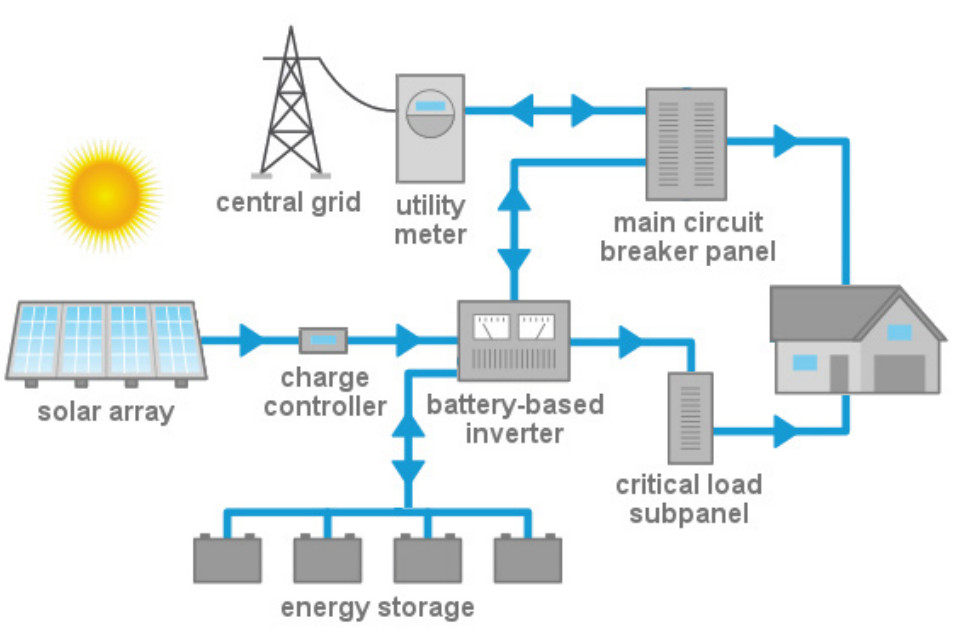
In the 20th century, back when we were reliant on massive power plants to produce energy, if you wanted to have electricity in your home then you had to sign up an electrical utility. But with the advent of Solar Plus Storage Systems, this might become a thing of the past. Now that people can not only generate but store their own electricity at their home, there is no longer a need to be attached to the grid. In some cases, it’s actually cheaper to become off-grid! As a result, many people are undergoing grid defection and turning to generate their own electricity.
Fault Detection and Diagnostics for Solar Plus Storage Systems
02/27/18
“Can we use fault detection and diagnosis on solar plus storage systems?”
In the past, Fault Detection and Diagnostics was typically used in conventional energy power plants. However, with the advent of distributed energy resources, we must take into account how they might fail. As such, Fault Detection and Diagnostics for Solar Plus Storage Systems is becoming an up and coming research topic.
“What is the next phase of standalone solar systems?”
Until recently, solar energy was thought to be a simple, stand-alone product. However, with the global proliferation of PV, the frontier of sustainability has been expanded. With the advent of distributed energy resources, it is no longer sufficient to simply generate electricity from renewables but also storage. Here, a very interesting technology called Solar Plus Storage Systems comes into play. Solar Plus Storage Systems are the combination of solar panels and battery storage systems communicating with one another to allow for optimal use of energy generation, whether it be in demand-side response, microgrids, or energy back up.
Around the developed world, the electric grid is collapsing. As such, there are now many new efforts to modernize the electric grid. This entails creating a grid that has a greater resilience to hazards of all types, improved reliability, enhanced security, additional affordability, superior flexibility, and increased sustainability.
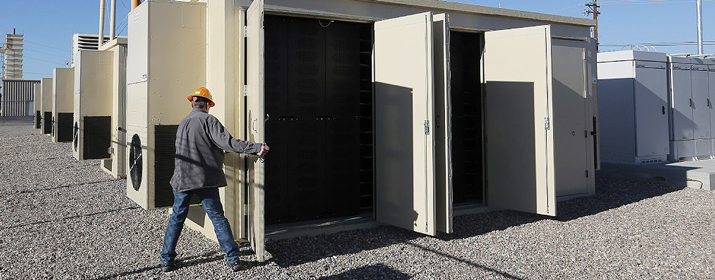
Traditionally, facilities had only two options for receiving electricity, generating their own or purchasing from a utility. But with the advent of renewable energy and advanced energy storage, this picture is starting to change. Facilities can now enter contracts with organizations to receive energy from energy storage systems. This venture known as Energy Storage as a Service has the potential to generate revenue, create savings, and improve electricity resiliency by providing clean energy at affordable rates





 Isaac's Science Blog