Tag: Manufacturing

Battery Recycling

Battery Recycling

Battery Recycling

06/29/18

“Can we recycle batteries?”


Once used up, batteries are thought to be gone for good. This idea especially compounded since their hazardous composition makes them banned from normal municipal waste. However, if we use our engineering mindsets, then we can know that some of the parts can actually be reused, especially the plastic and chemicals used.  

How Additive Manufacturing Can Help With Sustainability

How Additive Manufacturing Can Help With Sustainability

How Additive Manufacturing Can Help With Sustainability

06/13/18

“Can Additive Manufacturing help fight Climate Change?”


Additive manufacturing is any maker’s dream. But did you know that it could also help fight global warming? Well, because additive manufacturing makes items by adding layer upon layer of material, it is not limited by traditional manufacturing processes. Therefore, less material can be used, and slimmer, more efficient designs can be achieved. As a result, manufacturing will become less resource intensive, and carbon emissions can be reduced.

X-bar Charts

X-bar Charts

X-bar Charts

02/12/18

“How can we use statistics to describe industrial quality?”


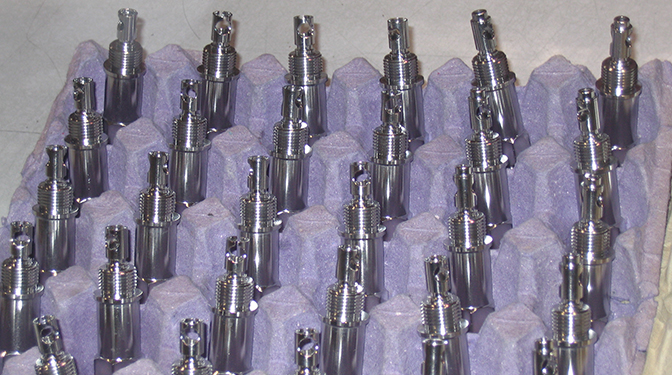
Even with the most perfect manufacturing processes, flaws are expected to happen during production. As such, we need a way to quantify how stable a given industrial output is. So how can we use our engineering mindset to solve this? Well, we know that if an item’s measurements become three standard levels of deviations outside of the mean, then it is probably unusable. So what if we were to create a chart that would graph the average of all measurements for each part with along with the mean and the tolerance levels so we can visually see anything out of the ordinary? Well, this is called an X-bar Chart and the control limits can be calculated by the formula UCL/LCL = (mean of all measurements) +/- 3*(standard deviation of all measurements)/sqrt(number of measurements per sample).


Fault Detection and Diagnosis

Fault Detection and Diagnosis

Fault Detection and Diagnosis

11/25/17

“How can we monitor a facility for component breakdowns?”


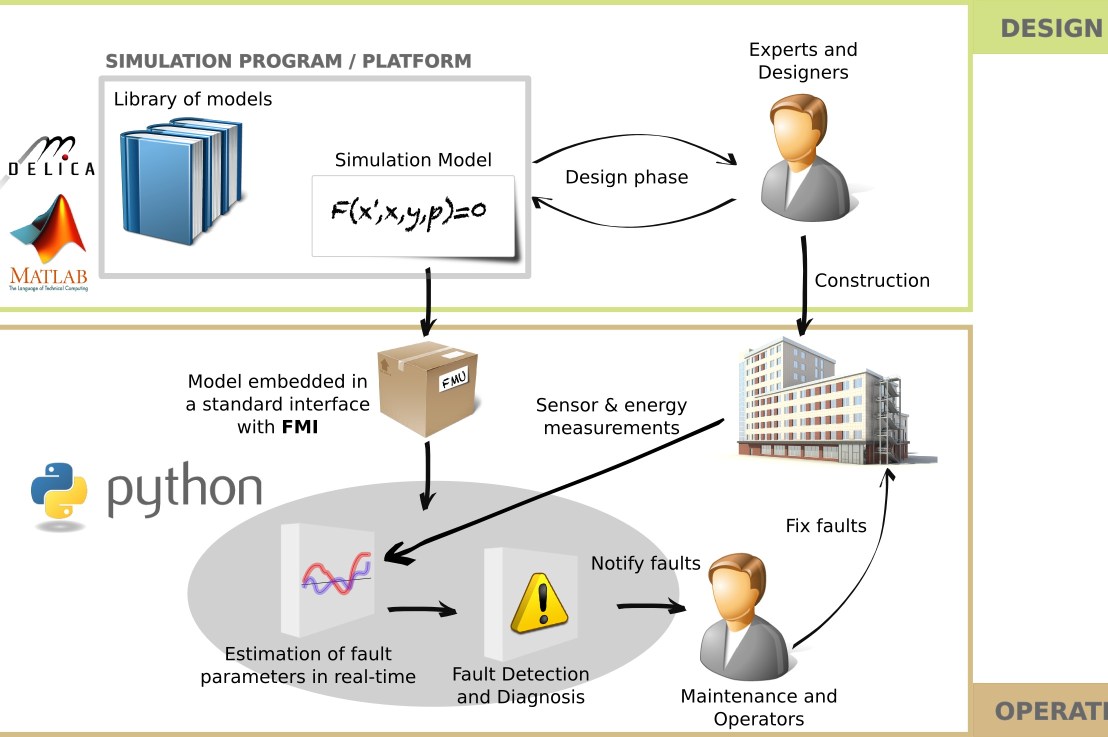
When running industrial facilities, components are very prone to failure, which can cause large amounts of money and energy to be wasted. So how can we make sure that these facilities are protected from such failures? Well, what if we were to implement a network of sensors that would collect data from a facility, which would then be parsed through algorithms. If any of this data finds any strange patterns, it can sort out the underlying cause and solve any issues. This technology is known as Fault Detection and Diagnosis and is one of the most fascinating facets of industrial operations management.

Embodied Energy

Embodied Energy

Embodied Energy

11/22/17

“What if we quantified all of the energy used to create an item?”


In order to create a product, energy is required whether it be in the manufacturing process or in transportation logistics. One commonly used way to quantify this is through Life-cycle assessment. But what if we simply want to obtain a direct measurement of all of the energy used in a product? Well, this would simply entail summing up each part to create what engineers call the total embodied energy!

Cradle to Gate Life-Cycle Assessments

Cradle to Gate Life-Cycle Assessments

Cradle to Gate Life-Cycle Assessments

11/13/17

“How can we analyze the portion of the lifecycle of a product?”


Life-cycle assessments are done on projects to determine their total impact upon the environment. However, sometimes we may only want to know the impact of a portion of their life, specifically from resource extraction up until it leaves the factory. One way to accomplish this is to use something known as a cradle to gate life-cycle assessment. This process is very useful for manufacturers to determine what their contribution to climate change is.

Variable Speed Drives

Variable Speed Drives

Variable Speed Drives

11/04/17

“How can we implement powerful yet controllable motors for industrial processes?”


Industrial motors are marvelous for being able to coordinate highly intricate processes in an efficient manner. However, sometimes we may need to adjust the speed on these machines using traditional models. So how can we use our knowledge of industrial control systems and our engineering mindset to achieve this? Well, let’s get down to the basics. We know that controllers can be used to provide feedback to electric devices, such as motors. So what if we were to simply implement a controller based motor into industrial processes? Well, this is the fundamental idea behind variable speed drives, which are commonly used as energy savers in pump and fan appliances.

Industrial Control Systems

Industrial Control Systems

Industrial Control Systems

10/26/17

“How can we control industrial processes?”


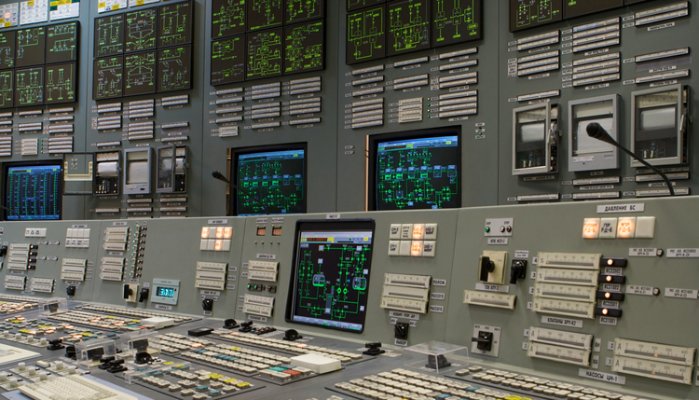
In Industrial operations, we often have to deal with large-scale control systems along with their instrumentation. Because of this, we will need to develop various types of special control systems to monitor and process everything. These constructions are known as industrial control systems and are one of the major underpinnings of modern-day industry.

Batch Production

Batch Production

Batch Production

10/25/17

“What is an alternative manufacturing method to mass production?”


Mass production is astounding for producing voluminous quantities of material. But sometimes we actually want to produce smaller amounts, as it could be more economically efficient. So how can we use our engineering mindset to construct such a method? Well, let’s think back to the one most produced item in the world, food! When we want to make food with a small volume, we often do so in batches or a set at the same time. So what if we were to apply this same method but with machinery? Well, this process is known as batch production and is often favored for its low capital costs and simple modularity.