“What is the current industry standard solar controller?”
On/Off Solar Controllers are great for simple and inexpensive projects. But sometimes we need to have more efficient solar control. One way to accomplish this is to vary the power of the battery depending on how full the battery is. The more empty a battery is, the more power it will receive, and the opposite when it is near full. This setup is known as a PWM Solar Controller and is the Greentech industry standard.
Solar Controllers come in all different types of varieties. But if we are strapped on finances, what is the simplest one that we can make? Well, wouldn’t it be a solar controller that simply turned on when there was sunlight and the battery was not full and off when not? This is the basics behind On/Off Solar Controllers, which are commonly used for inexpensive setups.
“How can we keep batteries from being overcharged by solar panels?”
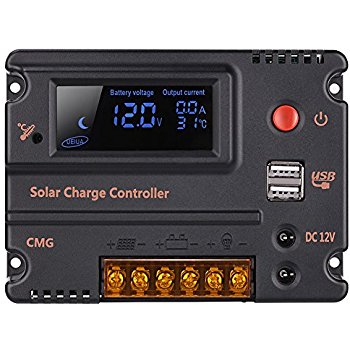
Solar Plus Storage Systems are a revolution in the renewable energy industry. Their ability to not only capture but store energy from the sun allows for true grid integration. However, often times there is a voltage mismatch between the solar panels and the batteries. If left unchecked, then the batteries can sustain great damage. But how can we use our engineering mindsets to solve this? Well, what if we were to simply put in a form of control to regulate the incoming and outgoing voltage and current? This is the fundamental principle behind Solar Charge Controllers, almost a must-have for Solar Plus Storage Systems.
Spinning Reserves are great for providing a quick response to grid fluctuations. But sometimes they will be completely used up, and we will need more items to keep the grid running. These often include Non-Spinning Reserves that are static and disconnected from the grid. Since they have to start moving, they will have a longer response time as a result of inertia.
“What is one simple way to provide power to the grid when more energy is needed?”
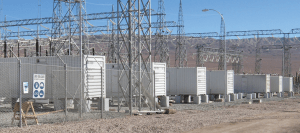
When the grid is not meeting power demand, there are multiple ways to use ancillary services to solve this. One such method is to find generators that are spinning under their maximum output, and then ramping them up to meet demand. This is known as spinning reserves and is a simple way to assist the grid.
“How can we manage fluctuations in the Electric Grid?”
The electric grid is bound to have fluctuations. And one of the most important duties of engineers is to keep everything running smoothly. So how can the grid be kept stable? Well, this can be managed through Ancillary Services such as voltage stabilization (ensuring that building equipment operates at their specified rating so they don’t draw too much power), frequency stabilization (making the grid operates at its standard frequency) and a continuous power supply (using technology such as batteries and backup generators to ensure the grid always has power).
“What’s the whole new thing about California, solar panels, and homes?”
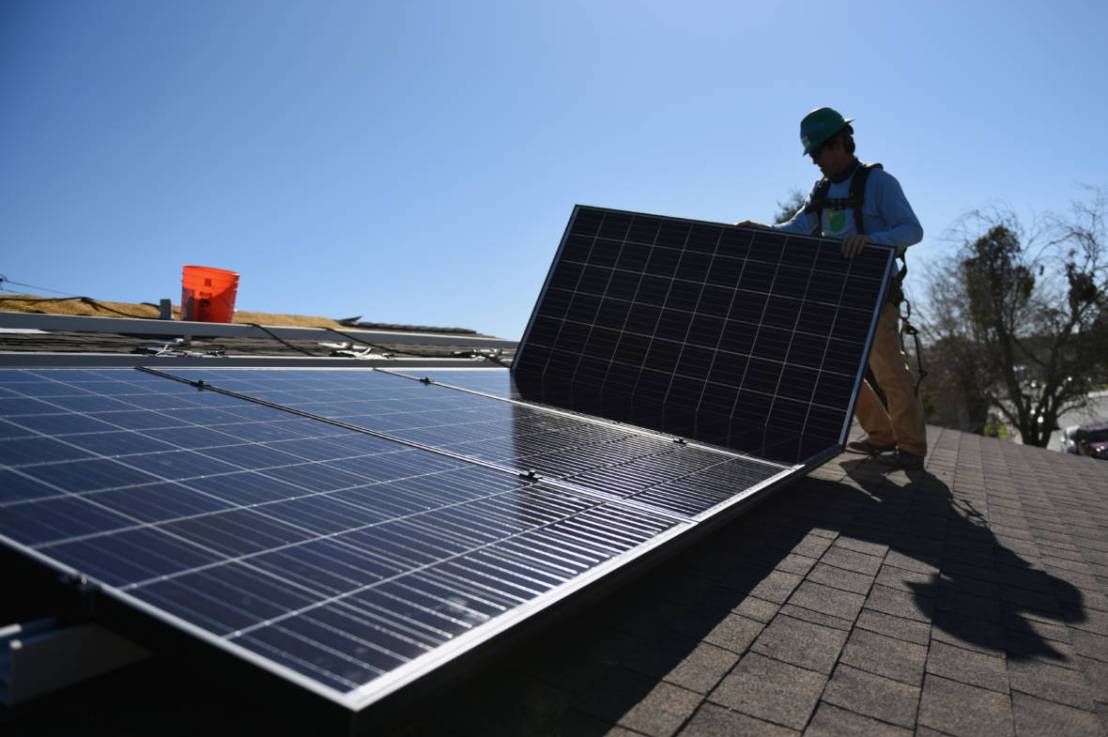
Something historic just happened. In a daring first for the U.S, the California Energy Commission has just reached a ruling requiring all new homes and low-rise apartment buildings built in California to have solar panels installed. This is all done in part to lower the state’s greenhouse gas emissions 40 percent below 1990 levels by 2030. Although hailed by many in the renewable energy industry, skeptics like to point out that this could be poised to raise the cost of construction even more so, exacerbating the state’s already out of control housing crisis even further. However, the reduced electricity bills from these solar panels have been shown to actually recuperate their cost and even payback money over a 30 year lifetime. However this plays out, it will have drastic effects on the state’s electricity portfolio and could cause other areas to follow suit.
“How do we quantify the difference between renewable energy generated and energy demand?”
Renewable energy is now able to generate vasts sums of power in many parts of the world. However, it currently is not able to provide all of the power consumed by many parties. Because of this, renewable energy experts have called this difference to be the Net Load on the system. The Net Load tends to be lower at noon due to the availability of the sun (resulting in the infamous duck curve). California’s net load can be seen on this website.
Microgrids have been theorized as something that could help Puerto Rico recover from the damage done by Hurricane Maria. But this idea has just been tested in practice. In Southeastern Puerto Rico, the centralized grid went out of power, but citizens with distributed energy infrastructure installed had their power working just fine. In fact, some even said that they did not even notice anything change! It just goes to show the power of the Puerto Rican people and renewable energy.






 Isaac's Science Blog