“How can we reduce the load when we don’t have enough supply?”
Energy in the grid is always about a balance between supply and demand. And sometimes, the demand outstrips the supply greatly. As a result, appliances on the grid will be forced to shut down to artificially reduce demand and create balance in a practice known as Load Shedding.
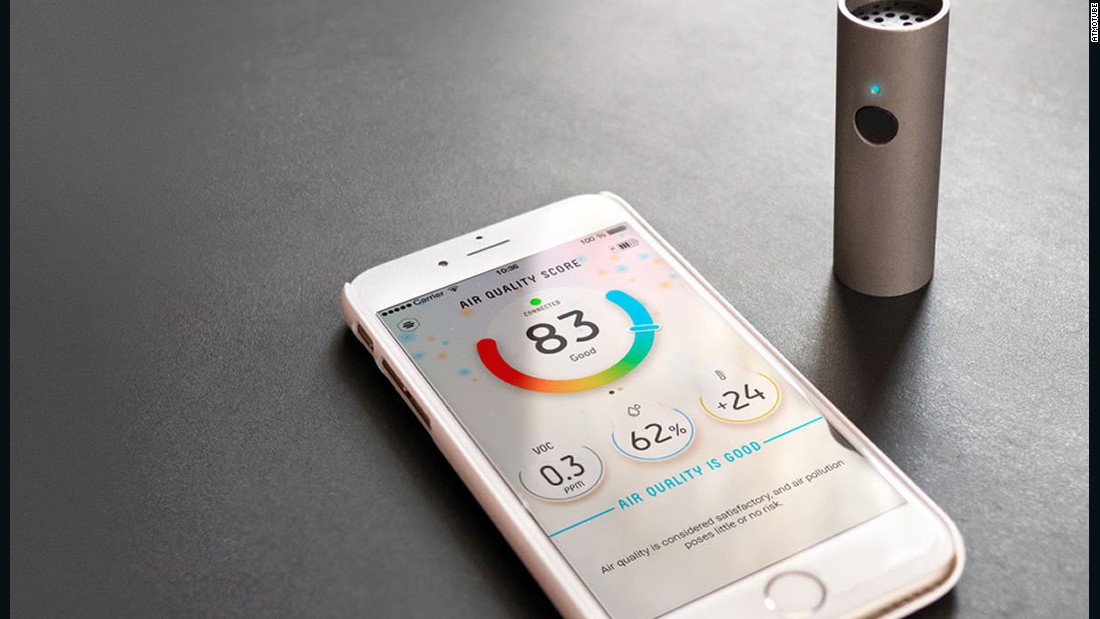
Air pollution is one of the most harmful side effects of industrialized activity. Whether it be shipping in the Port of Los Angeles, manufacturing in Shenzhen, or vehicular smog in Delhi, air pollution can seriously destroy public health. But how can we use our engineering mindset to quantify this? Well, we know that sensors are commonly used for detection, engineers have created Air Pollution Sensors to solve this crisis. Air Pollution Sensors can be configured to detect five types of pollutants: ozone, particulate matter, carbon monoxide, sulfur dioxide, and nitrous oxide.
“How can we make Electric Vehicle charging faster?”
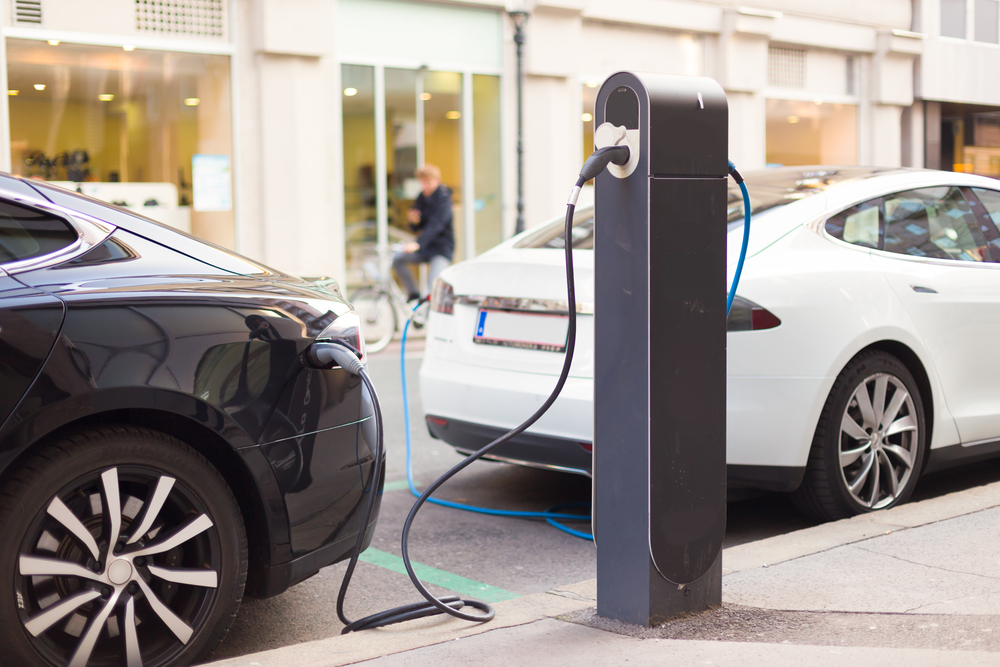
Electric vehicles are seeing an exponential adoption rate. But in spite of their myriads of benefits, they have one serious bottleneck, charge times. Specifically, it can take upwards of 12 hours to charge a single model! Because of this, researchers are working day and night to create Fast-Charging EV Infrastructure that can bring this charging time down to a half hour!
“What is the largest possible scale of energy storage with modern day engineering?”
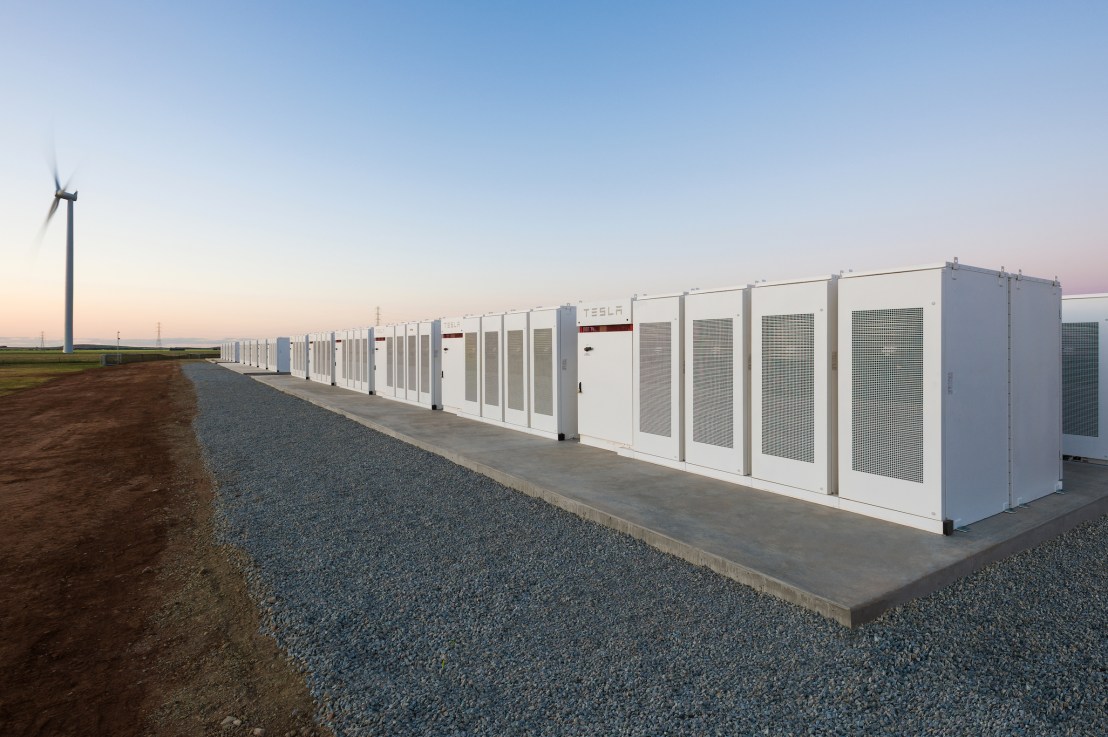
Companies such as Tesla Motors are investing in energy storage like there is no tomorrow. The current frontier is Gigawatt-Hour-Scale Storage. Just to put things into perspective, one gigawatt-hour is enough to power the average California home for over 92 years!
How Tesla’s Big Australian Battery Might Become a Monopoly
05/21/18
“Why might there be no more ancillary service players in South Australia after Tesla?”
California based Tesla Motors recently made headlines by supplying 100 MW of their batteries to the South Australian Hornsdale Power Reserve to help control ancillary services. This project was so efficient that it absorbed 55 percent of all FCAS revenues in South Australia as well as cutting ancillary services pricing by 90 percent. Analysts say that this has been so efficient that it is possible that there will be no more room for competition in South Australia.
“How can we monitor the energy consumption levels of Renewable Energy?”
Renewable Energy is one of the fastest growing sectors of all time. However, because of its distributed nature, monitoring the energy consumption levels without an interface can be a great difficulty. Because of this, engineers have developed Onsite Renewable Energy Monitoring to analyze distributed resources in real time!
“How can we purchase electricity when it is cheap and sell when it expensive?”
Just like real estate and stocks, electricity is cheaper when it is in less demand and more expensive with more. Automatically purchasing and selling electricity during optimal times is known as Energy Arbitrage.
“How can we have multiple inputs control a single output?”
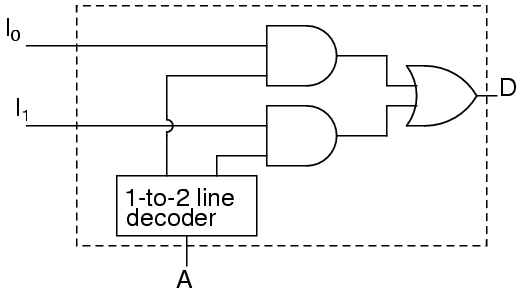
Circuit technology can be found in all aspects of our lives nowadays, whether it be in the smartphones we carry or the airplanes that carry us. However, one problem that we keep on running into is how to take logic from multiple inputs and have it govern a single output. Well, if we can apply our engineering mindsets, then we can find that combining everything with sequential logic, we can invent a machine known as a multiplexer which can accomplish our goal. An example schematic of a multiplexer can be seen in the image above.
PWM Solar Charge Controllers are definitely a step up from On/Off Solar Controllers. However, they’re definitely not the most efficient models. MPPT Controllers (Maximum Power Point)can maximize the output by changing the current and voltage delivered while doing the best to keep power constant. Because of this, they are the most highly valued systems on the market.



 Isaac's Science Blog