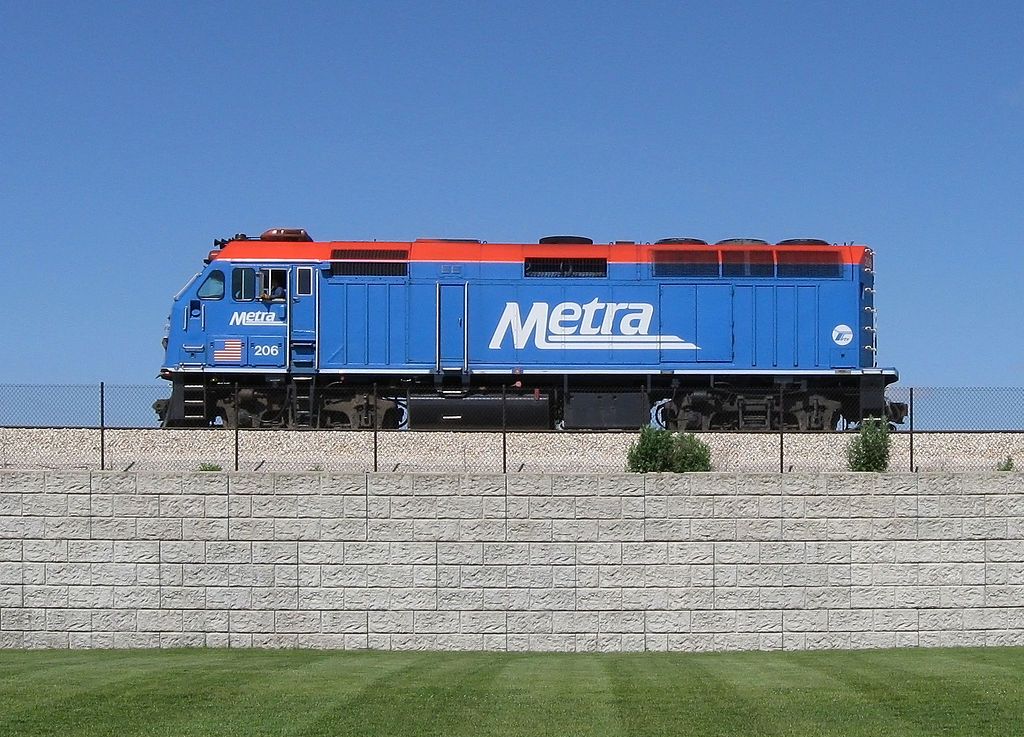
“How do trains and ships convert diesel fuel into electricity?”
Trains and ships are able to move great loads across greater distances through their own internal processes. But how exactly do they accomplish this? Well, it’s quite simple actually. They just hook up a diesel engine to an electric generator to spurn massive amounts of electrical power. This is known as Diesel-electric transmission and can be found everywhere on the planet. If the generator produces enough electricity, then the extra can be stored in a rechargeable battery, making a quasi-hybrid system!
How Accurate Weather Prediction can Help Grid Resiliency
09/06/18
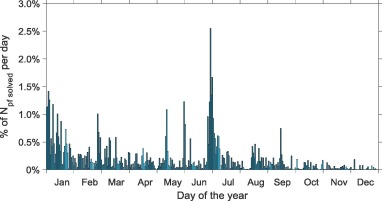
“How can weather forecasts help stabilize the grid?”
Weather forecasts have become apart of our daily lives. But did you know that they can also help with grid resiliency? By being able to forecast the future, we can obtain how large our cooling loads will have to be. And with this knowledge, we can get ancillary reserves ready when the time comes. This way, Accurate Weather Prediction can Help Grid Resiliency!
How We Can Use Natural Gas to Generate Electricity
08/16/18
“How is natural gas used to make electricity?”
Natural gas is one of the fastest growing energy resources out there. But how exactly does it generate electricity? Well, natural gas can be burned in a boiler that heats up water into steam which turns a turbine with a generator attached. Some of the steam at the end of the cycle can even be put through another turbine in a combined cycle generation system to increase the energy efficiency. This way, we can use natural gas to generate electricity!
“Can energy become so cheap that prices become negative?”
The more supply relative to demand that cheaper a product is. And energy is no exception to the rule. States such as Germany, California, and Hawaii are now generating so much energy from Distributed Energy Resources and conventional power during low period times that electricity prices are going negative! To avoid great imbalances, these areas are now selling their energy to neighboring states to create grid balance.
“How can we use insulators to make a transformer function?”
Transformers are made by applying a voltage in one pair of wires to induce a secondary voltage in another. However, these two wires must never interfere with each other, since it could cause a rupture in the system. To prevent this, we can use Insulating Materials in a Transformer that prevents such contact from taking place.
“What keeps the winding in a transformer together?”
Electrical winding makes up the very core of a transformer. Or so it is thought. The actual Transformer Cores are the support structure for the metal windings. Not only this, but it provides reluctance to magnetic flux and prevents the spread of eddy current and hysteresis loss. The core’s diameter size is proportional to copper loss and inversely proportional to iron loss.
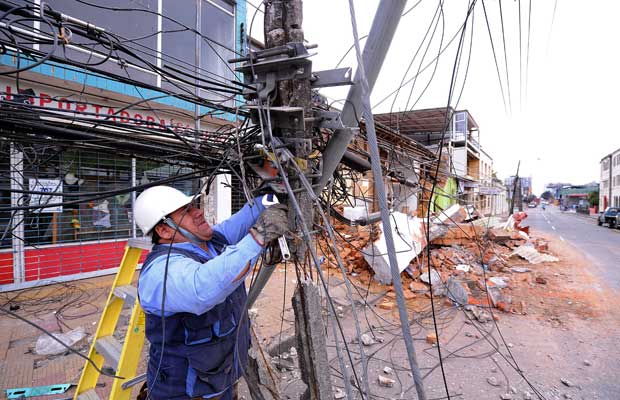
Transformers are one of the most important pieces of infrastructure. They are like the pins keeping the yarn that is the grid connected. However, sometimes they have problems such as windings going bad or a broken core, which could have consequences for the grid. Transformer Faults can result in loss of power, voltage overheating, distribution problems, and a myriad of potential problems.
“How can we work with time-dependent and discrete data?”
Distributed Energy Resources can have many different discrete processes that are time dependent such as solar panels producing usable current and batteries absorbing energy. And sometimes these time-dependent processes might actually have multiple different time periods. Since normal analysis is too difficult to integrate with this, we can use something called Quasi-static Time Series to quantify our data.
Resilience Performance is great for seeing how well a system can cope with sudden disasters. However, sometimes we will also need to analyze how effective its response is. This is where we can apply the metric of Resilience Outcomes. Common examples of Resilience Outcomes include reduced damage from disasters and resumed economic activity growth.


 Isaac's Science Blog