Category: Policy

Construction General Permit

Construction General Permit

Construction General Permit

07/04/25

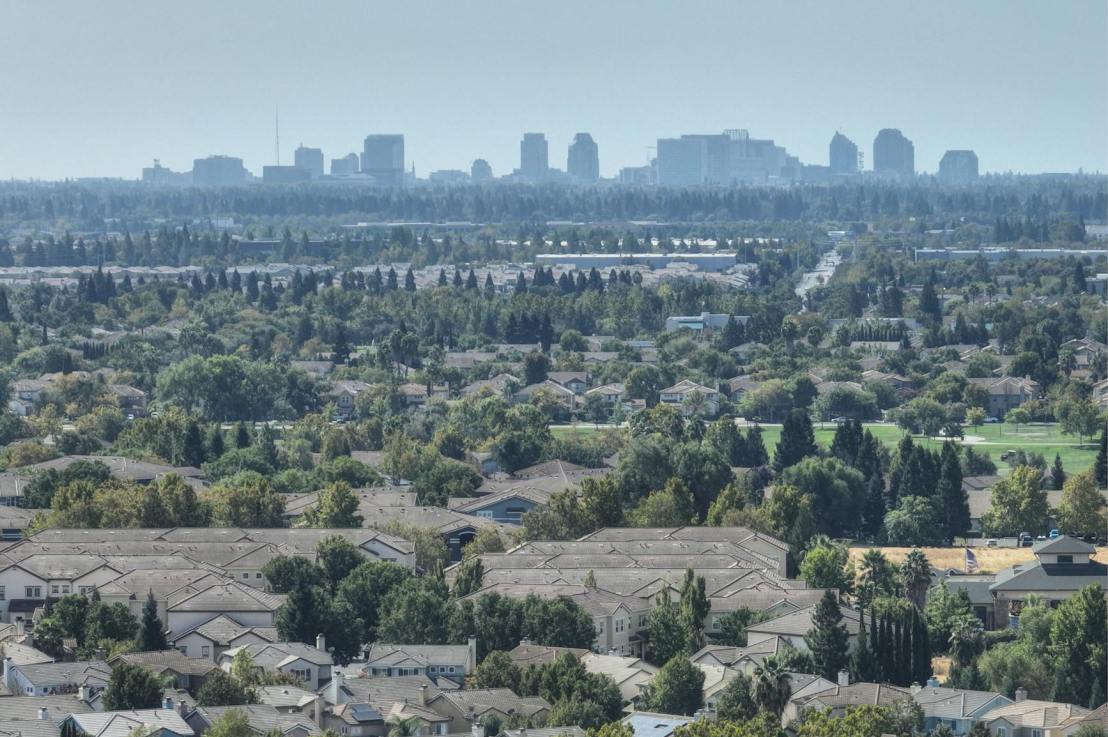
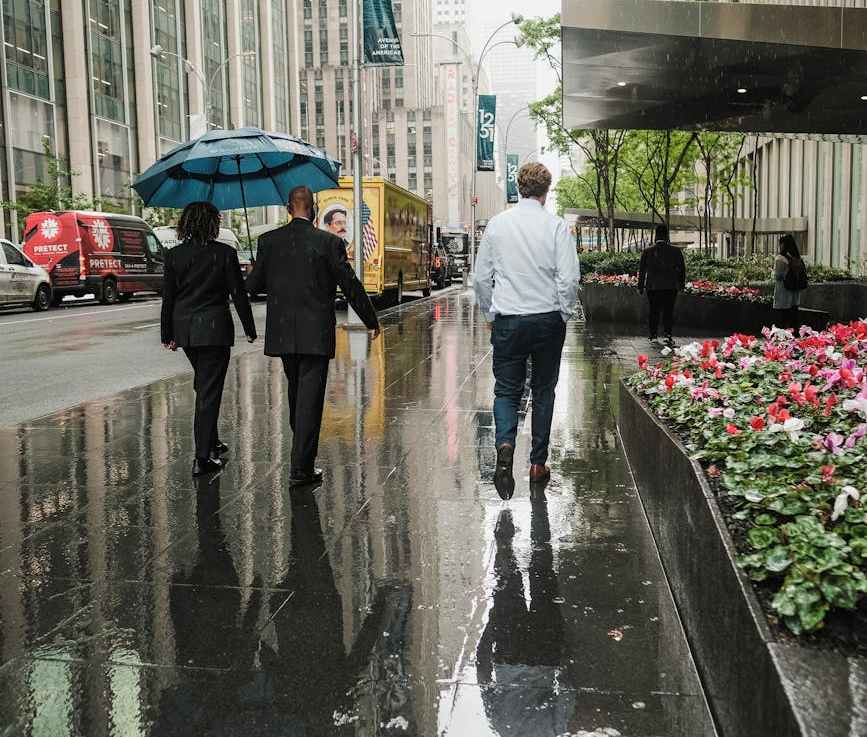
“How do U.S. states regulate stormwater pollution runoff from construction activity?”

Construction activities create pollution that stormwater can pick up and dump into surface waters. U.S. States use stormwater permits to keep their water bodies clean. Construction activities that meet certain criteria must obtain a Construction General Permit from the state environmental regulatory agency before starting work. Construction general permits are part of the National Pollution Discharge Elimination System (NPDES).

Thermal Energy Networks

Thermal Energy Networks

Thermal Energy Networks

04/22/25

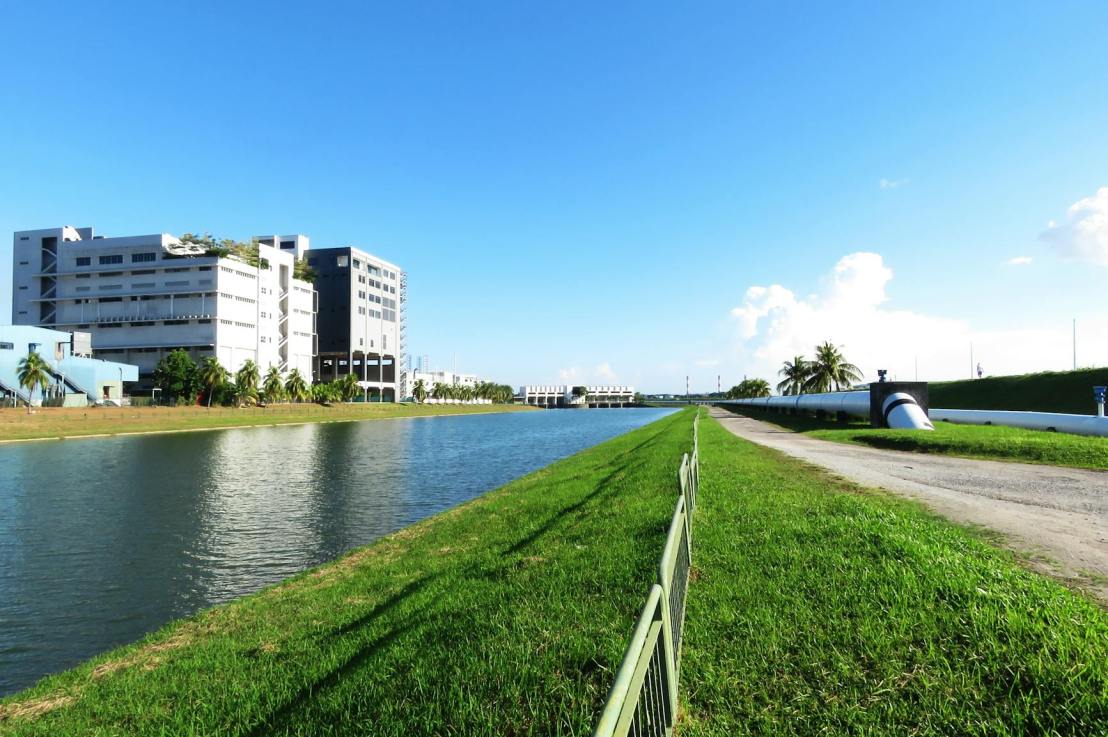
“How can buildings share heat with each other?”

At any given time, some buildings in a neighborhood might need heating while others need to release heat. Moving heat from the latter to the former would increase system efficiency while meeting thermal comfort. Thermal Energy Networks use underground pipes to create a common heat-sharing system. Buildings and thermal resources can tap into this network to “trade” heat across each other. 

Decision Matrix

Decision Matrix

Decision Matrix

04/24/25

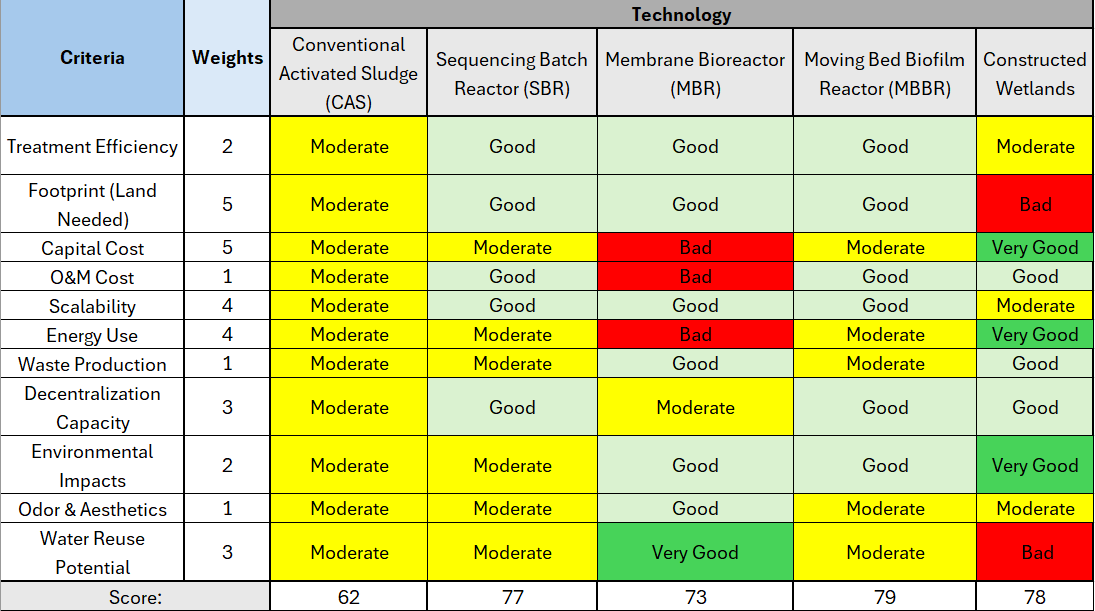
“How can we evaluate a series of options for action implementation?”

A Decision Matrix evaluates a series of options by integrating and ranking all pertinent criteria. Each criterion is given a score multiplied by a weight based on how vital a criterion is for selecting an option and then summed to form a final decision score. The system with the highest score is selected.

 Safe Yield Aquifer Discharge

 Safe Yield Aquifer Discharge

 Safe Yield Aquifer Discharge

04/05/25

“What is the point before aquifer discharge becomes unsafe?”

People extract water from aquifers. Taking too much water from aquifers can lead to land subsidence, dry wells, and long-term decline of water yields. The Safe Yield Aquifer Discharge measures the point where aquifer water extraction is sustainable. 

Why People Should Not Build Wells Next to Roads

Why People Should Not Build Wells Next to Roads

Why People Should Not Build Wells Next to Roads

04/03/25

“Why should people not build new wells next to roads?”

New wells are built to accommodate water demand. For many infrastructure operators, building a well next to a road is tempting because repair vehicles can service the well more easily. However, this will expose the well to more runoff contamination, polluting the water supply. This is Why People Should Not Build Wells Next to Roads. Many places specify that people can only build wells after a minimum distance from roads.

How the US Clean Water Act Fines Direct Wastewater Discharges

How the US Clean Water Act Fines Direct Wastewater Discharges

How the US Clean Water Act Fines Direct Wastewater Discharges

04/01/25

“How does the US Clean Water Act fine people who direct discharge into waters and wetlands?”

The US Clean Water Act governs water sanitation in the US. If someone direct discharges wastewater into US waters and wetlands, they can get between 1 – 6 years of convictions and have to pay between $2,500 and upwards of $100,000 per day depending on the severity of the crime committed.

Rewilding Landscapes

Rewilding Landscapes

Rewilding Landscapes

03/18/25

“How can we return landscapes to nature?”

Humans cultivate landscapes through all sorts of methods, whether it’s by building physical infrastructure or cultivating specific plant species. But sometimes, we may want to return landscapes to nature. This Rewilding Landscapes process can happen in a number of different ways, from dechanellizing rivers to reintroducing native tree species. Rewilding is a fantastic way to build climate resilience and biodiversity in a region.

Why Landscape Architects Should Implement Carbon Skins Into Their Work

Why Landscape Architects Should Implement Carbon Skins Into Their Work

Why Landscape Architects Should Implement Carbon Skins Into Their Work

02/22/25

“Why should landscape architects implement carbon sinks into their work?”

Landscape Architects are tasked with creating landscapes to serve functional purposes. One of the most important tasks in the new climate paradigm is to decrease carbon emissions and carbon from the atmosphere. An important step is to create carbon sinks when appropriate. This can range from planting small trees to massive wetland restoration works. This is Why Landscape Architects Should Implement Carbon Skins Into Their Work.