Category: Policy

Why California’s AB 1924 Will Allow for Denser, More Resilient Housing in the State

Why California’s AB 1924 Will Allow for Denser, More Resilient Housing in the State

Why California’s AB 1924 Will Allow for Denser, More Resilient Housing in the State

03/21/20

“Why will AB 1924 from Assemblymember Grayson help build resilience in California?”


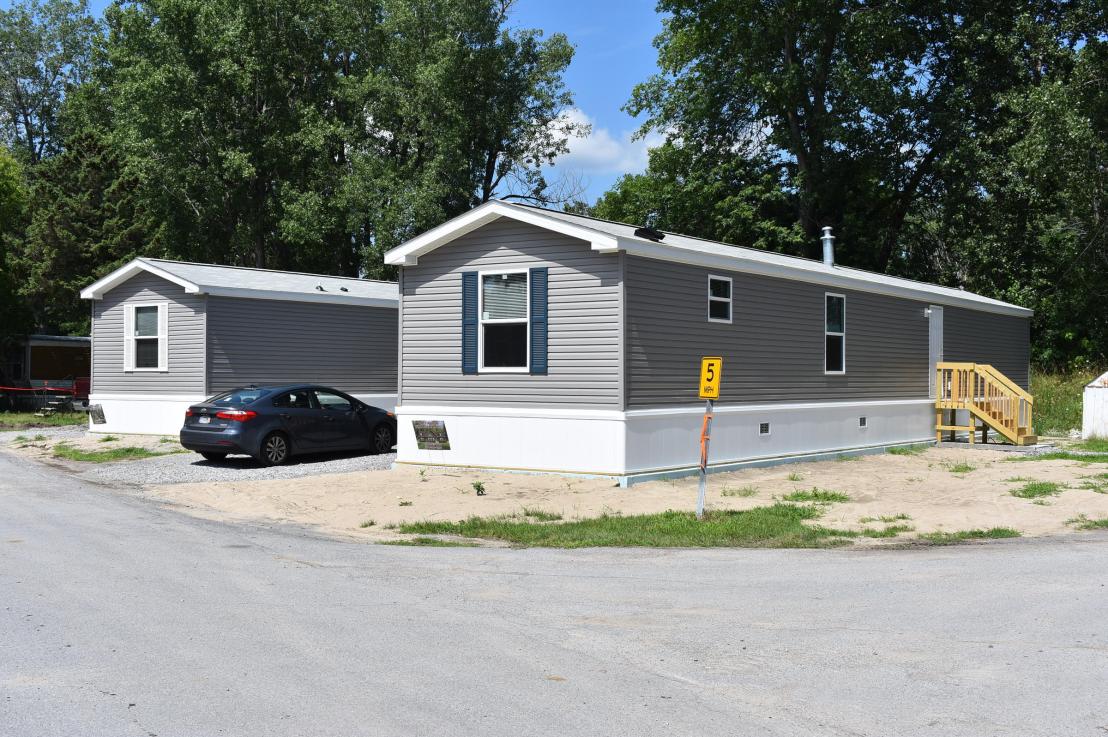
Right now, California housing policy does not require jurisdictions to assess fees on a per-square-foot basis. As a result, developers who want to build smaller, more affordable units will have to jump through hoops and loops and may have to pay multiple fees to break ground. However, California Assemblymember Tim Grayson wants to change this with his new bill AB 1924. If enacted into law, AB 1924 would require agencies to charge on a per-square-foot basis, simplifying the process and allowing for more units to come online at a faster rate and lower cost. The more new, dense, and affordable housing that comes online, the more resilient California will be to disasters. This is Why California’s AB 1924 Will Allow for Denser, More Resilient Housing in the State.

How California’s AB 3156 Will Increase Wildfire Resilience

How California’s AB 3156 Will Increase Wildfire Resilience

How California’s AB 3156 Will Increase Wildfire Resilience

03/21/20

“How will California’s AB 3156 make the state more resilient to wildfires?”


California’s housing crisis is exacerbating its vulnerability to wildfires. By pushing people, particularly those from lower-income backgrounds, away from the coast and into the wildland-urban interface, its two crises are coming together. To solve this, more affordable housing can be built by the coastline. AB 3156 by California Assemblymember Robert Rivas will allow for streamlining of housing approval by the California Coastal Commission, allowing for this housing supply to increase and host people away from wildfire territory. This is How California’s AB 3156 Will Increase Wildfire Resilience.

How California’s AB1907 Bill Could Increase Resilience for Its Homeless Population

How California’s AB1907 Bill Could Increase Resilience for Its Homeless Population

How California’s AB1907 Bill Could Increase Resilience for Its Homeless Population

03/20/20

“How could this California new assembly bill make its homeless population much safer to disasters?”


California has a homelessness crisis. Decades of neglect on social services and housing construction have forced psychologically and economically vulnerable populations out of homes and into the streets. With the advent of disasters such as the COVID outbreak  and the Paradise fires, being homeless in California is only going to become more dangerous. However, one new assembly bill Miguel Santiago of Los Angeles could make a change for the better. AB1907 would provide exemptions to CEQA requirements for any housing development directed for homeless or lower-income renters. This would allow for a greater amount of housing supply for individuals from these communities, providing them a safe space from the elements in newer housing units. This is How California’s AB1907 Bill Could Increase Resilience for Its Homeless Population.

The Impact of COVID-19 on the Construction Industry

The Impact of COVID-19 on the Construction Industry

The Impact of COVID-19 on the Construction Industry

03/19/20

“What is the impact of COVID-19 on the construction industry?”


As of writing, the coronavirus outbreak is freezing the economic engine of global capitalism. The construction industry is no exception to this. With the spread of the disease, people are being forced to stay at home or are becoming sick, resulting in a labor shortage. Global logistics are also going through a downturn, making it more difficult to obtain the necessary materials. All of these combine to cause a slump in construction, straining the already present housing crisis and potential recession. This is The Impact of COVID-19 on the Construction Industry.

Why the Oil Market Is in a Freefall Right Now

Why the Oil Market Is in a Freefall Right Now

Why the Oil Market Is in a Freefall Right Now

03/18/20

“Why are oil prices sinking to all new lows?”


Oil prices are sinking to dramatic lows. This has the potential to devastate industries and send the world community into an economic recession. But what exactly is causing this?


Near the beginning of the year, the need to limit travel because of the new coronavirus epidemic had caused flight demand to drop. This led to a decrease in oil demand, prompting OPEC to propose a limit on oil production globally to keep prices stable. However, Russia ignored these rulings and continued its production as normal, hoping to capture a greater share of the market. Saudi Arabia responded by slashing oil prices, selling below market value to ensure its stake in the market. Both countries (at the time of writing) are now proposing an increase in production in an all-out market war. Combined with the fact that oil demand is plummeting due to coronavirus restrictions, and you have a price that is soaring down. This is Why the Oil Market Is in a Freefall Right Now.

Why Newer Housing Will Be Necessary for Disaster Resilience

Why Newer Housing Will Be Necessary for Disaster Resilience

Why Newer Housing Will Be Necessary for Disaster Resilience

03/17/20

“Why will new housing be a necessity for disaster resilience?”


With the ever-increasing level of global interconnectivity and average temperatures, disasters are going to become more deadly. Since the exterior environment might become too dangerous during these times, people may need to stay inside for long periods of time. More modern housing usually ensures greater safety due to updated codes and building materials. For example, more modern housing tends to have better air filtration which can clear out particulate matter that may occur from a wildfire. Newer housing can also be designed to resist and absorb floods that may occur. And in case of a government-mandated quarantine, newer housing can provide a more comfortable living environment. This is Why Newer Housing Will Be Necessary for Disaster Resilience.

Why Utilities Should Trim Trees Near Roads for Wildfire Resilience

Why Utilities Should Trim Trees Near Roads for Wildfire Resilience

Why Utilities Should Trim Trees Near Roads for Wildfire Resilience

03/12/20

“Why should utilities trim trees near the road for wildfire resilience?”


Utility lines often run near roads. Trees and other foliage also grow in close proximity. If these interact too much, a wildfire can occur. Cutting down the nearby foliage can reduce this potential loss. This is Why Utilities Should Trim Trees Near Roads for Wildfire Resilience.

Image credit cdn.vox-cdn.com

How Stricter Building Codes Can Drive New Markets

How Stricter Building Codes Can Drive New Markets

How Stricter Building Codes Can Drive New Markets

03/11/20

“How can enforcing stricter building codes open up new markets?”


When building codes become stricter, many housing units will need retrofits or new appliances will need to be made. This can induce demand for a product and in effect open up new markets. For example, by requiring new residential buildings to have tighter wire meshes, these new models will become a hot commodity. This is How Stricter Building Codes Can Drive New Markets.

Why Climate Resilience and Adaptation Need to Recognize and Correct Past Injustices

Why Climate Resilience and Adaptation Need to Recognize and Correct Past Injustices

Why Climate Resilience and Adaptation Need to Recognize and Correct Past Injustices

03/10/20

“Why does anyone working in resilience and adaptation need to help recognize and correct past injustices?”


Great injustices of the past (and present) have thrust marginalized communities into shakier economic and environmental foundations. And with the advent of climate change, these inequities will only be amplified, whether it be through forced migrations of climate gentrification or inequal access to cooling. Because of this, resilience and adaptation professionals will need to understand what injustices have been caused and work to correct them. Only through this can we understand the problems that face communities and make a truly resilient and sustainable future.